Argentina’s Malvinas Bill Carries Far More Than the Malvinas
Key Facts
A bill about the Malvinas has arrived in the Argentine Congress. Most of its text is about something else entirely.
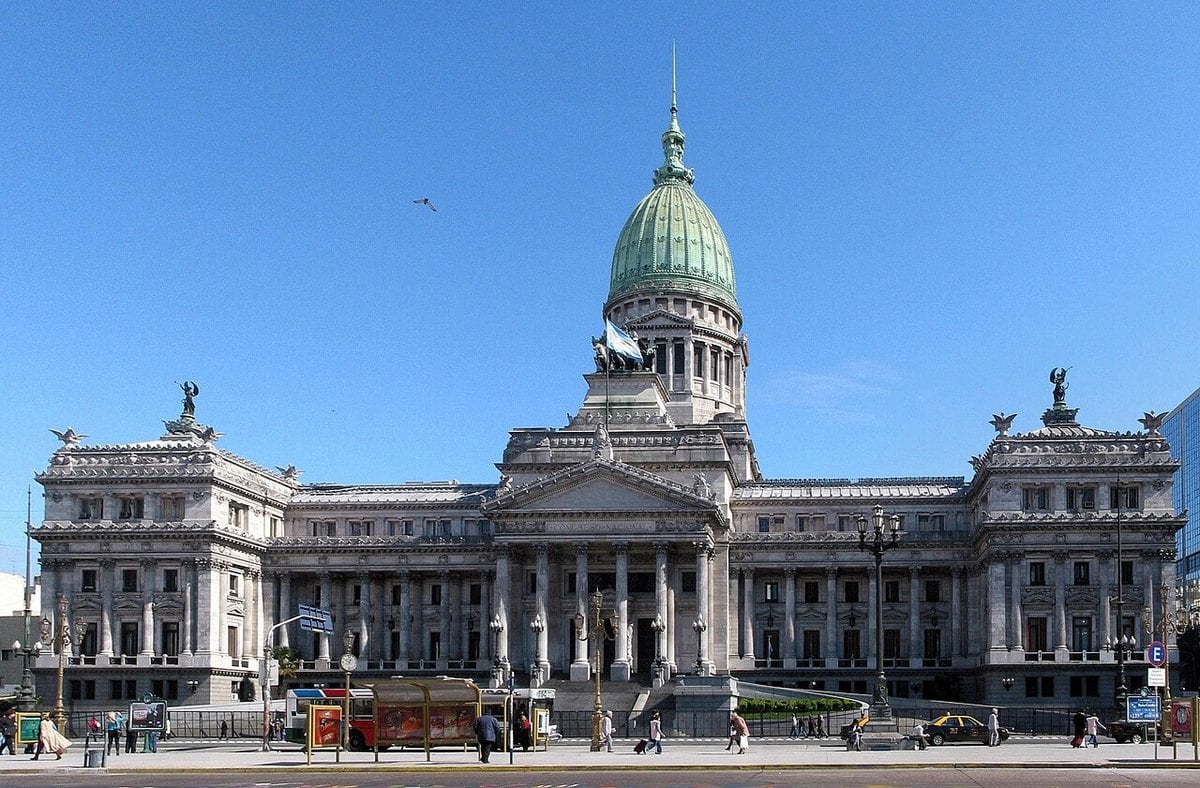
Argentina’s government sent the Ley de Defensa de la Soberania Nacional to Congress on 17 September 2026. It replaces a 2011 law and widens both the conduct covered and the punishment.
Who Signed It
The bill comes from the executive, not from a legislator. That shapes how it will travel.
It carries the signatures of President Javier Milei and Cabinet Chief Diego Santilli.
Foreign Minister Pablo Quirno, Defence Minister Carlos Presti and Economy Minister Luis Caputo also signed.
An economy minister signing a sovereignty bill is the first clue that this text is broader than its title.
What It Changes About the Islands
It repeals Law 26.659, passed in 2011, which covered hydrocarbon activity around the islands.
The new text extends to all natural-resource exploitation, not only oil and gas.
The area covered runs to the Malvinas, South Georgia, the South Sandwich Islands and the continental shelf.
Fines are set in barrels of oil equivalent, from 4,000 to 500,000 barrels.
Prison terms run from 12 to 20 years for exploration or exploitation, and 15 to 20 for extraction or transport.
Suppliers who knowingly assist face 5 to 7 years. Companies can be dissolved.
The Provisions Almost Nobody Is Reporting
Read past the Malvinas articles and the bill becomes a general security statute.
It creates a National Security Council and sets rules of engagement, including warning shots and immobilising vessels.
It bans foreign financing of political campaigns and creates counterintelligence offences.
It also creates offences around what it calls electoral disinformation.
The Council would be able to order currency restrictions, asset freezes and tariffs of up to 75%.
That is a large quantity of executive power travelling inside a bill about islands in the South Atlantic.
Where the Pressure Came From
The sequence started in London and Washington, not Buenos Aires.
Donald Trump, in an interview with GB News in late August, suggested the United States might not intervene in a clash.
Asked whether he would review the American position on the islands, he said he reviews every position.
Milei answered in a televised address on 4 September. He said Washington was considering a change because Argentina is a reliable partner.
He added that any further advance on the Malvinas would be treated as a violation of national security.
The State Department then restated its neutrality, describing competing sovereignty claims. Nothing in its language endorsed Argentina.
The Electoral Question He Was Asked
Milei was asked directly, in an interview on 16 September, whether the timing was electoral.
He rejected it flatly, calling the suggestion an enormous stupidity, and said he had been working on the claim for three years.
Argentine analysts have read the sequence differently, describing it as an escalation and a nationalist card.
Both readings are available. What is documented is the text of the bill and the date it was sent.
The Warships in the Budget
A separate document landed the day before. Article 42 of the 2027 budget bill went to deputies on 16 September.
It authorises the executive to negotiate borrowing of up to US$3.5 billion for naval equipment.
That covers three conventional submarines, based at Mar del Plata, at about US$2.3 billion.
It also covers two multimission frigates at Puerto Belgrano, at about US$1.2 billion.
A separate line funds an integrated naval base at Ushuaia, US$450 million over four years from January 2027.
This is an authorisation to seek financing. There is no lender, no signed credit and no executable budget line yet.
A Story That Did Not Survive the Week
Reports circulated that Uruguay had refused a British-backed undersea cable linking the islands to Montevideo.
President Yamandu Orsi answered on 16 September. He called the report false.
He said Uruguay had never received any proposal on it, and warned against inflaming the question.
He restated Uruguay’s position that the islands are Argentine. So the refusal story describes a proposal Uruguay says never existed.
The dispute that is real involved a British pavilion at Expo Prado labelling the islands the Falklands. Argentina protested formally.
What It Means If You Do Business in Argentina
For most companies, nothing changes today. The bill has been introduced and not yet debated in committee.
If it passes as drafted, the exposure is wider than energy. Fishing, mining and services could all fall inside it.
The clause worth watching is not the prison term. It is the Council’s power over currency, assets and tariffs.
Those are tools that reach every importer and exporter in the country, whatever their view on the islands.
Nobody needs to act now. But anyone reading only the Malvinas coverage is reading a fraction of the text.
What Is Not Yet Known
No committee schedule has been published, and the government’s numbers in both chambers are not settled.
Whether the security provisions survive the debate, or are split off, has not been reported.
No lender has been identified for the naval borrowing, and reports say submarine talks do not target American suppliers.
Britain’s formal response to the bill had not been issued when this article was published.
Frequently Asked Questions
What does Argentina’s sovereignty bill do?
It repeals a 2011 law and extends penalties to all natural-resource exploitation, not only oil. The area covered runs to the islands and the continental shelf.
What are the penalties?
Prison terms of 12 to 20 years for exploration, and 15 to 20 for extraction or transport. Knowing suppliers face 5 to 7 years, and companies can be dissolved.
Is Argentina buying submarines?
Not yet. The 2027 budget bill asks Congress for authority to negotiate up to US$3.5 billion for submarines and frigates. No lender has been named.
Did Uruguay block a Falklands undersea cable?
President Yamandu Orsi said on 16 September that the report was false and that Uruguay had never received such a proposal.
Sources: Infobae, the bill sent to Congress, Infobae, the naval borrowing in the 2027 budget, NPR, Milei’s escalation of the claim, Al Jazeera, on the Trump remarks and the response, La Nacion, the American reading of the announcements, Ambito, Orsi calling the cable report false, Infobae, Milei denying an electoral motive
This article was produced by The Rio Times’ automated newsroom system. How we use AI · Report an error
Read More from The Rio Times