Argentina’s 2027 Budget Arrives Without Published Assumptions
ARGENTINA · BUDGET
Key Facts
- —The deadline The 2027 budget goes to the Chamber of Deputies by 15 September 2026, as the financial administration law requires.
- —The briefing Milei was reported as briefing legislators on Monday 14 September.
- —What is not published The government’s July advance document contained no inflation or exchange-rate projections.
- —What that means Any macro figures circulating are third-party forecasts, not official assumptions.
- —The arithmetic 129 votes are needed for a quorum in the lower house.
- —The obstacle Blocs aligned with several provincial governors have already broken with the government on other votes.
A budget arrives with no published inflation or exchange-rate assumption. That is unusual, and it is the first thing the governors will ask about.
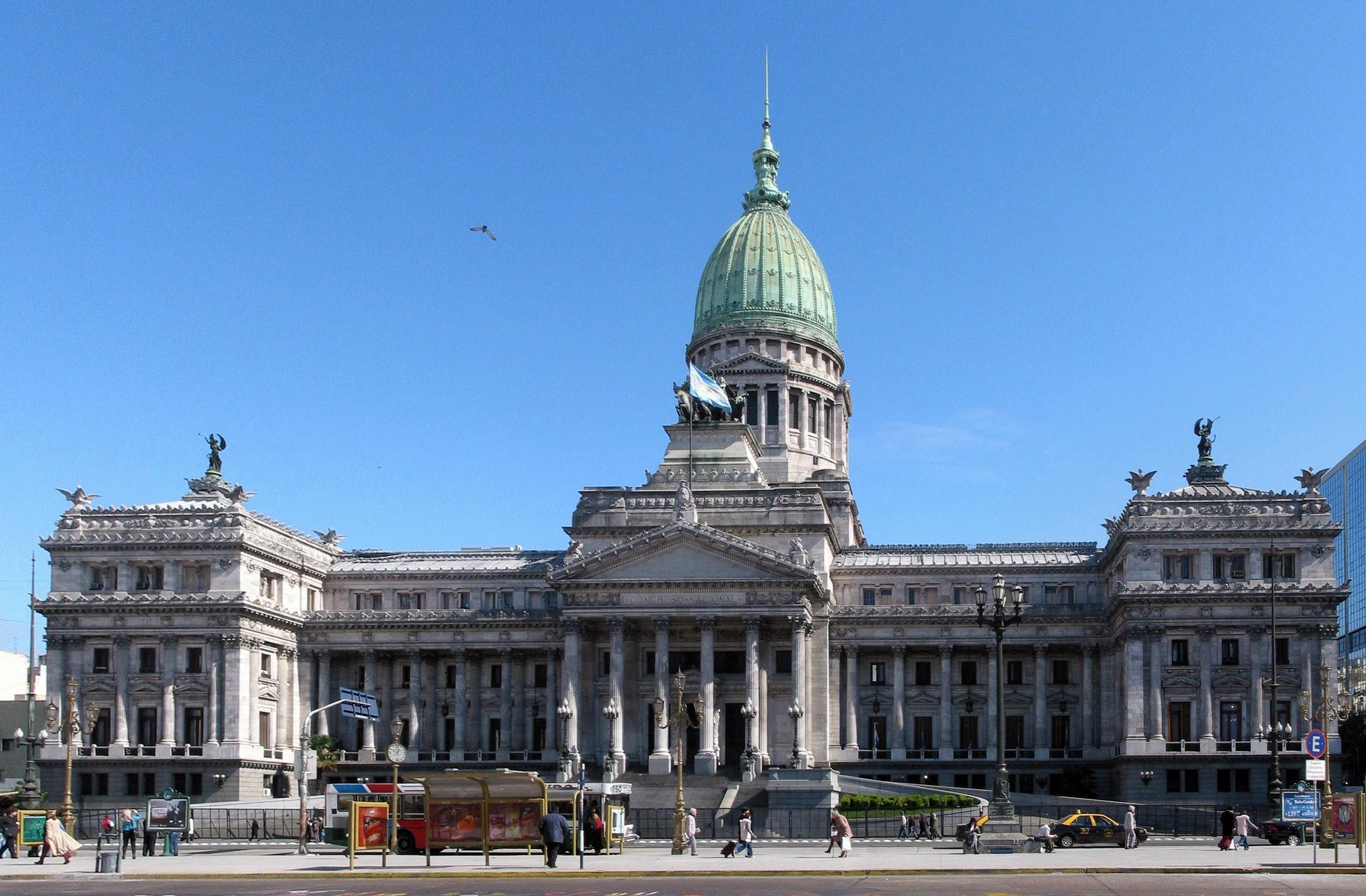
Argentina’s government must submit its 2027 budget to the Chamber of Deputies by 15 September, and it arrives without the inflation and exchange-rate projections that a budget is normally built around.
The Deadline and the Process
The financial administration law sets 15 September as the date by which the executive must send the following year’s budget to the lower house. Milei was reported as briefing legislators on Monday 14 September.
From there the bill goes to the budget committee, then to the floor of the Chamber of Deputies, then to the Senate. Argentina has operated for extended periods without an approved budget, with the previous year’s rolled over, which is the fallback if the process fails.
What Is Missing
The government’s July advance, the pluriannual budget document sent on 2 July 2026, was explicitly issued without inflation or exchange-rate projections. It contained qualitative claims instead: falling inflation, real-wage recovery, growth led by investment and private consumption, falling unemployment and poverty, and a maintained fiscal surplus.
That omission is the story until the full bill is published. A budget without a price assumption cannot be checked, because every spending line is a nominal figure whose real value depends on the number that was left out.
The Numbers Circulating Are Not the Government’s
The International Monetary Fund projects around 4% growth and 15.7% average inflation. LatinFocus has 3% and 21.7%, with a year-end exchange rate around 1,968 pesos to the dollar. CEPAL has 3.4%. The central bank’s own market expectations survey points to roughly 20.5% inflation and a rate slightly above 2,000.
Primary surplus estimates from private forecasters run between 1.3% and 1.8% of output. None of these is an official assumption, and The Rio Times does not present them as one.
The spread between the IMF’s 15.7% and LatinFocus’s 21.7% is wide enough to change what the budget means, which is why the official number matters.
The Governors
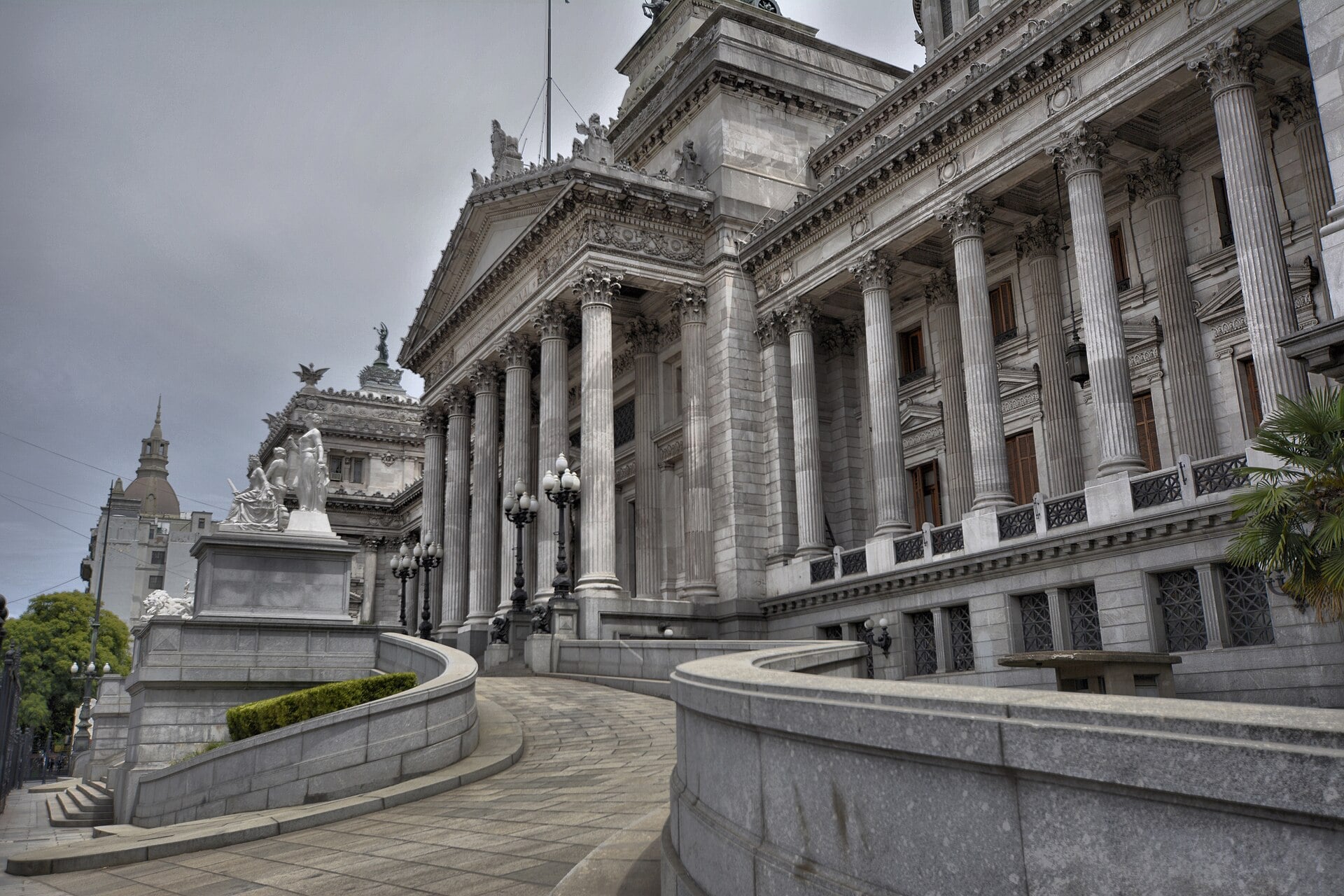
The government needs 129 votes for a quorum in the Chamber of Deputies and does not command them on its own. Blocs aligned with the governors of Misiones, Salta and Tucumán have already broken with it on debt and disability funding this year.
Provincial negotiation in Argentina runs through the same instruments every year: transfers under the revenue-sharing regime, discretionary funds, and public works allocated by province. A governor whose bloc withholds votes is negotiating over those lines rather than over macroeconomic policy.
The 2027 budget is the first to be negotiated after the central bank charter reform and the fiscal bills now before the Senate, which gives the governors a second front to trade against.
What to Watch in the Text
The inflation and exchange-rate assumptions are the first thing to check, because everything else follows from them.
After that, the level of capital spending and the treatment of provincial transfers are the two lines that determine whether the bill can pass. A budget that holds the surplus by compressing both is easier to defend in Washington than in Congress.
More: Argentina news in English, every day from The Rio Times.
Frequently Asked Questions
When must the budget be submitted?
By 15 September 2026, under the financial administration law.
What assumptions has the government published?
None on inflation or the exchange rate. The July advance document contained only qualitative claims.
What are forecasters expecting?
The IMF projects about 4% growth and 15.7% inflation; LatinFocus 3% and 21.7%; the central bank’s market survey about 20.5%.
How many votes are needed?
129 for a quorum in the Chamber of Deputies.
Who are the obstacles?
Blocs aligned with provincial governors, several of which have already broken with the government this year.
Sources: El Cronista, Infobae, El Destape, Cipolletti Digital.
This article was drafted with automated assistance and reviewed before publication. How we use AI · Report an error
In depth
Read More from The Rio Times