Arauco Returns to Profit as Copec Backs Its US$4.6 Billion Sucuriú Mill
Chile · Business
Key Facts
- Profit swing Arauco posted net income of about US$71–72 million in H1 2026, reversing a US$10 million loss in H1 2025.
- Revenue uptick Cumulative revenue rose 0.7% in H1 2026, while Q2 sales climbed 5.2% year on year on higher volumes.
- Copec pledge Empresas Copec approved an irrevocable, unconditional commitment of up to US$450 million for Arauco from 1 January 2027 to 31 December 2028, subject to trigger events.
- Megaproject The Arauco Sucuriú project in Mato Grosso do Sul, Brazil, carries a total investment of about US$4.6 billion.
- Capacity target The pulp mill is planned for 3.5 million tonnes of pulp per year, with startup targeted for late 2027.
- Volume driver Arauco attributed the quarterly sales gain mainly to higher pulp and wood sales volumes, not price increases.
The turnaround is real, but the bigger story is the capital commitment behind Sucuriú — a bet that Brazil’s pulp demand will justify a US$4.6 billion plant. Arauco’s own second-quarter commentary points the other way on price: global pulp inventories rose, China was weak, and adjusted EBITDA fell 9% to US$667 million, with the revenue gain coming from volume.
If you track Latin America’s commodity giants, you already know the name Arauco — but the numbers from the first half of 2026 give you a clearer picture of where the company stands and where it’s heading. The Chilean pulp and forestry firm swung back to profit, posting net income of about US$71–72 million for January–June 2026, versus a loss of about US$10 million in the same period last year. That recovery came on the back of a stronger second quarter and higher sales volumes in both pulp and wood. And while the profit figure is modest, the real signal is in the parent company’s wallet: Empresas Copec has now committed up to US$450 million to the Arauco Sucuriú project in Brazil, a US$4.6 billion pulp mill that could reshape supply dynamics in the region. For anyone living in or invested in Latin America, this is not just a Chilean story — it’s a continental one.
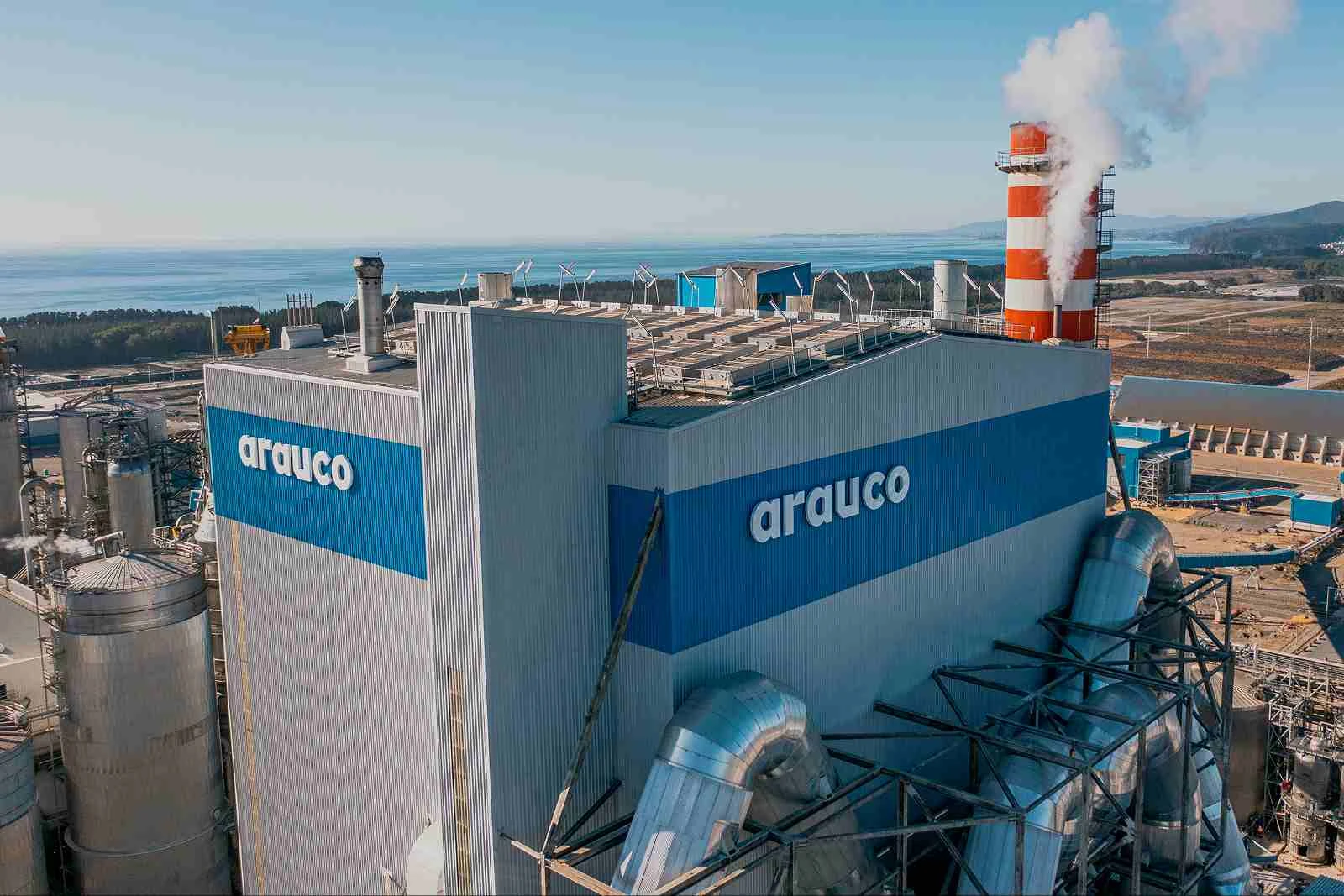
The H1 2026 Numbers: A Modest but Meaningful Turnaround
Arauco’s return to profit in the first half of 2026 was not a dramatic leap, but it was a clear directional change. Net income of about US$71–72 million compares with a loss of about US$10 million in H1 2025 (the two main Chilean market outlets round the figure slightly differently). The improvement was helped by a better second quarter, when sales rose 5.2% year on year, mainly due to higher volumes in both the pulp and wood businesses. Cumulative revenue for the six-month period rose about 0.7% — a small gain, but one that suggests demand is stabilizing rather than collapsing.
What’s notable is that the growth came from volume, not pricing. That tells you something about the market environment: buyers are active, but they’re not yet paying a premium. For Arauco, that means operational efficiency and scale are doing the heavy lifting. The company didn’t break out segment-level earnings in the summary, but the tone is consistent with a firm that has cut costs, kept mills running, and is now waiting for the price cycle to turn in its favor.
Live Company IntelligenceEmpresas Copec S.A. — the full investor dossier
Valuation & profitability
Price & risk
$5,702.1052-wk high
$7,805.26
Revenue trend · 6y
Ownership
Dividend
The US$450 Million Commitment: What Copec Is Really Saying
Empresas Copec’s decision to approve an irrevocable, unconditional commitment of up to US$450 million to Arauco is the kind of move that gets attention in boardrooms across Santiago and São Paulo. The funds will be available between 1 January 2027 and 31 December 2028, but only if certain trigger events occur. That conditional structure gives Copec flexibility while signaling to the market that it stands behind the project.
The commitment is tied directly to the Arauco Sucuriú project in Mato Grosso do Sul, Brazil. With a total investment of about US$4.6 billion and planned capacity of 3.5 million tonnes of pulp per year, Sucuriú is one of the largest industrial projects in the region. Startup is targeted for late 2027, and while that timeline is ambitious for a project of this scale, the fact that Copec is willing to back it with hard cash — not just promises — says a lot about its confidence in the pulp market’s long-term trajectory.
Why the Arauco Sucuriú Project Matters for Latin America
For a reader living in or invested in Latin America, the Arauco Sucuriú project is more than a corporate headline. A pulp mill of this size creates thousands of construction jobs, then hundreds of permanent positions, plus indirect work in forestry, logistics, and services. Mato Grosso do Sul is already a forestry hub, and Sucuriú would cement that status. It also means export revenue — pulp is a dollar-earning commodity, and Brazil is already the world’s largest producer of hardwood pulp.
But there’s a strategic angle too. Arauco is a Chilean company, and its decision to build in Brazil rather than at home reflects where the trees grow fastest and where infrastructure is most favorable. That cross-border investment is a reminder that Latin America’s commodity chains are deeply integrated — Chilean capital, Brazilian land, and global markets. For investors, the Sucuriú project is a long-term bet on pulp demand from packaging, tissue, and textiles. For residents, it’s about jobs and regional development. Both perspectives matter.
What to Watch Between Now and 2028
Copec’s filing does not set out the trigger events for its US$450 million commitment. In practice such support is drawn on construction milestones, cost overruns or working-capital needs. That means the money is there as a safety net, not a daily funding line. Arauco’s own cash flow, plus project financing, will likely cover most of the US$4.6 billion bill. The Copec pledge is a backstop — and a signal to lenders that the parent company won’t walk away.
For the next 18 months, the key indicators are pulp prices, Brazilian real exchange rates, and construction progress. If the mill starts up in 2027 as planned, it will add 3.5 million tonnes of supply to a market that is already well supplied. That could pressure prices in the short term, but it also positions Arauco to capture cost advantages in a region where eucalyptus grows fast and logistics are improving. The H1 2026 profit is a good sign, but the real test comes when Sucuriú starts producing.
More: Chile news in English, every day from The Rio Times.
Frequently Asked Questions
What was Arauco’s net income in H1 2026?
Arauco reported net income of about US$71–72 million for January–June 2026, compared with a loss of about US$10 million in the same period of 2025. The improvement was helped by a stronger second quarter and higher sales volumes in pulp and wood.
How much is Empresas Copec committing to the Arauco Sucuriú project?
Empresas Copec approved an irrevocable, unconditional commitment of up to US$450 million to be available to Arauco between 1 January 2027 and 31 December 2028, if certain trigger events occur. It is a capital backstop to Arauco tied to the US$4.6 billion Sucuriú pulp mill in Mato Grosso do Sul, Brazil, callable only if certain trigger events occur.
When will the Sucuriú pulp mill start operating?
The planned startup for the Arauco Sucuriú project is late 2027. The mill is designed for 3.5 million tonnes of pulp per year. Construction timelines for projects of this scale can shift, so treat 2027 as a target rather than a guarantee.
Connected Coverage
Sources: Celulosa Arauco and Empresas Copec disclosures; Diario Financiero; La Tercera.
This article was produced by The Rio Times’ automated newsroom system. How we use AI · Report an error
Read More from The Rio Times