Chilean Giants Team Up to Make Synthetic Fuels From Hydrogen and Pulp-Mill CO2
Chile · Energy
Key Facts
- —The alliance On August 4, Arauco, Copec and Abastible launched a project called SynFuels Biobío.
- —The goal To pilot low-carbon synthetic fuels, known as e-fuels.
- —The recipe It combines green hydrogen with biogenic CO2 captured from the pulp-making process.
- —The place The pilot will run in Chile’s Biobío region, rich in renewable energy and industry.
- —The players All three firms belong to Chile’s Angelini business group, spanning forestry, fuels and gas.
The idea sounds like alchemy: take waste carbon dioxide from a paper mill, add green hydrogen, and turn it into clean fuel. Chile is about to test it.
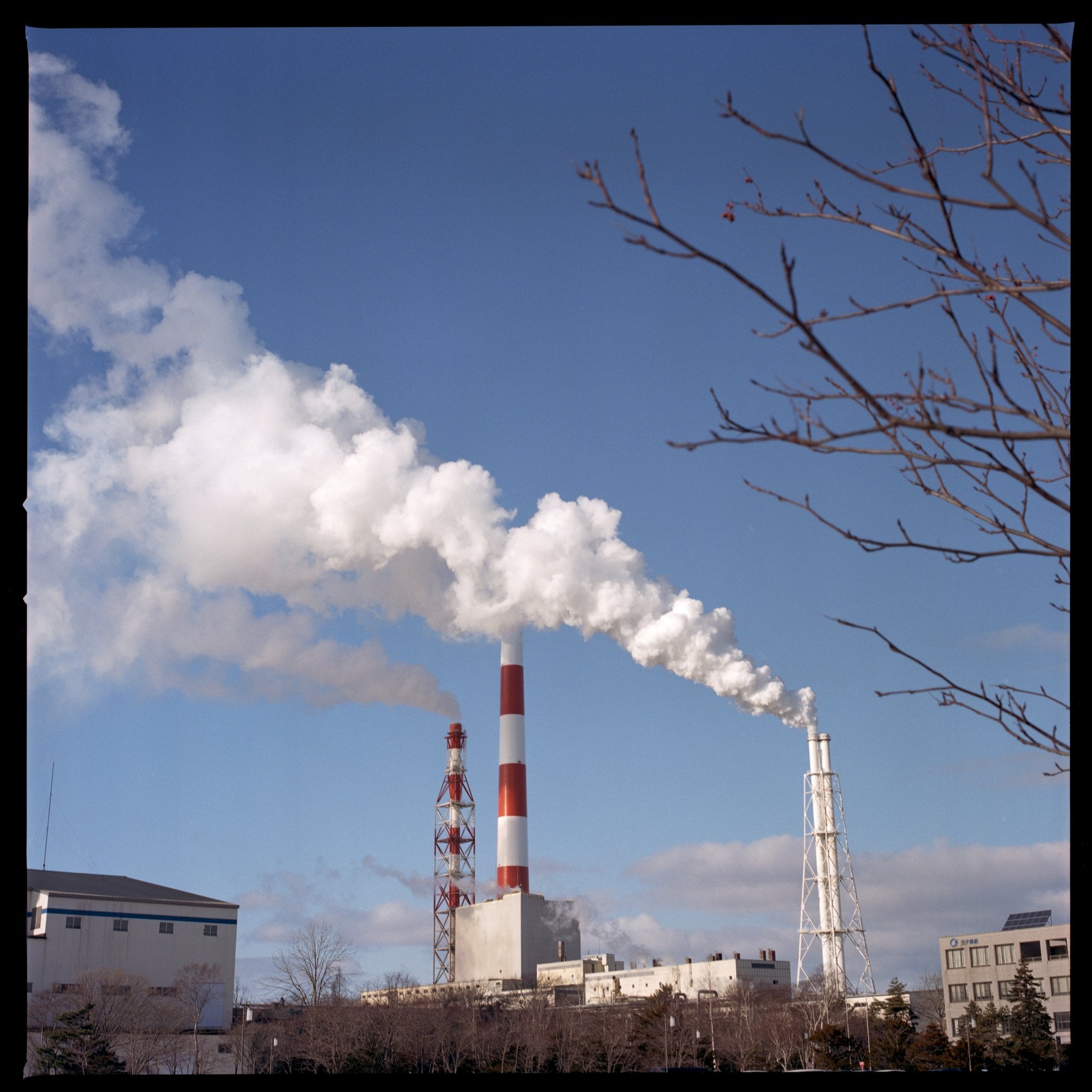
It plans to build synthetic fuels from hydrogen and the carbon dioxide a paper mill would otherwise release. Making fuel usually means pulling something out of the ground.
A new Chilean venture wants to do the reverse. It is a bet that clean fuel can be manufactured, not extracted.
Inside Chile’s synthetic fuels pilot
On August 4, three of Chile’s largest industrial names joined forces. Arauco, Copec and Abastible unveiled a shared project.
They call it SynFuels Biobío, and its aim is to pilot the production of low-carbon synthetic fuels. For now it is a pilot, meant to prove the idea works before anyone talks about scaling it up.
What ‘e-fuels’ actually are
The jargon term is e-fuels, and the concept is simpler than it sounds. These are fuels made, not drilled.
You take hydrogen and carbon dioxide, and through chemistry combine them into a liquid fuel. If the hydrogen is ‘green’, made using renewable electricity, the result can be far cleaner than fossil fuel.
Crucially, e-fuels can often be used in today’s engines and pipelines, which is a big part of their appeal.
The clever twist with the paper mill
The most elegant part is where the carbon comes from. It is captured from the process of making cellulose, or wood pulp.
Pulp mills naturally release carbon dioxide as they turn timber into paper products. Normally that CO2 escapes.
SynFuels Biobío would grab it instead and feed it into the fuel. Waste from one process becomes raw material for another.
Why this counts as low-carbon
The carbon dioxide here is described as biogenic, meaning it comes from plants, from the trees that became pulp. That matters.
Recycling carbon that plants already absorbed is very different from digging up new fossil carbon. Paired with green hydrogen, the fuel promises a much smaller climate footprint than the diesel or jet fuel it could replace.
Why Chile, and why Biobío
Chile is an unusually good place to try this. The country has abundant sun and wind for making green hydrogen cheaply.
The Biobío region adds the missing pieces: pulp mills producing biogenic CO2, plus energy and industrial infrastructure. State support through the development agency CORFO has helped make the region a natural home for the pilot.
The Angelini group behind it
The alliance is not a chance pairing. All three companies belong to Chile’s powerful Angelini business group.
Arauco is the forestry and pulp arm, the source of both the wood and the captured carbon. Copec handles fuels and energy, while Abastible focuses on gas.
Together they cover the whole chain from feedstock to fuel.
A circular idea, in one place
What makes the plan neat is how the pieces fit together in a single region. The trees feed the pulp mills.
The mills release carbon, which is captured rather than vented. Renewable power splits water into green hydrogen nearby.
Combine the two, and you have fuel made almost entirely from local, low-carbon ingredients. Little is wasted, and less is imported.
Why big fuel companies want in
It might seem odd for fuel distributors to chase alternatives to fuel. The logic is survival and opportunity.
The world is slowly moving away from fossil fuels, and companies want a stake in whatever replaces them. E-fuels could let existing engines and infrastructure run on cleaner energy, a valuable bridge to the future.
The prize: hard-to-clean transport
Not everything can run on batteries. Planes, ships and heavy trucks are difficult to electrify.
For those, a drop-in clean fuel is enormously appealing. It could cut emissions without redesigning the vehicle.
That is the market e-fuels ultimately target, and why aviation and shipping watch these pilots closely.
The catch nobody hides
Enthusiasm should be tempered with realism. E-fuels are still expensive to make, far pricier than fossil fuel today.
The technology works, but proving it at commercial scale and cost is the real challenge. That is precisely why this is a pilot.
The point is to learn what is feasible before betting big.
A step in Chile’s green ambitions
The project fits a larger national story. Chile has staked much on becoming a green-hydrogen powerhouse.
Turning that hydrogen into valuable products, like fuel, is how the ambition becomes an industry. SynFuels Biobío is a small but concrete move in that direction.
What to watch next
The near-term markers are the pilot’s progress and whether it validates the technology and the economics. If it succeeds, the next question is scale, and whether Chile can export clean fuel as well as make it.
For now, three industrial giants are testing whether waste carbon and green hydrogen can become the fuel of the future. Investors and rivals alike will be watching.
Success would give Chile a fresh export beyond copper and lithium, built on its clean-energy edge.
More: Latin America news in English, every day from The Rio Times.
Frequently Asked Questions
What is SynFuels Biobío?
It is a pilot project by Arauco. Copec and Abastible to produce low-carbon synthetic fuels in Chile’s Biobío region, announced on August 4.
What are e-fuels?
They are synthetic fuels made by combining hydrogen with carbon dioxide. When the hydrogen is made with renewable energy, the fuel can be far cleaner.
Where does the carbon come from?
It is biogenic CO2 captured from the pulp-making process, carbon that trees absorbed, rather than fossil carbon dug from the ground.
Why is Chile suited to this?
It has abundant renewable energy for green hydrogen, plus pulp mills producing biogenic CO2 and industrial infrastructure in Biobío.
What is the catch?
E-fuels are still costly to produce. The pilot aims to prove the technology and economics before any large-scale rollout.
Sources: Arauco; Empresas Copec; Abastible; Chilean press.
This article was produced by The Rio Times’ automated newsroom system. How we use AI · Report an error
Read More from The Rio Times