Key Facts
- What — A permanent room of 118 works by Colombian painter Débora Arango, titled El mundo en primera persona.
- Where — Museo de Antioquia, Medellín, in the gallery Historias para repensar.
- When — Opened 1 August 2026; the wider Temporada Cultural runs 25 September to 25 October 2026.
- Mediums — Paintings, watercolours, drawings, ceramics, sketches, and works in tiza (chalk).
- Significance — The first permanent museum room in Colombia devoted exclusively to Arango.
- Her legacy — She was the first Colombian woman to paint a nude, and one of the 20th century’s most transgressive artists.
- Provenance — The works came from the artist’s family to the museum in comodato (a loan agreement).
The Museo de Antioquia now hosts a permanent room dedicated to Colombia’s boldest painter, with a citywide cultural season through October.
If you have ever wondered where modern Colombian art found its nerve, head to the Debora Arango exhibition now open at the Museo de Antioquia in Medellín. The new permanent room, called El mundo en primera persona, brings together 118 works by one of the boldest painters in the country’s history.
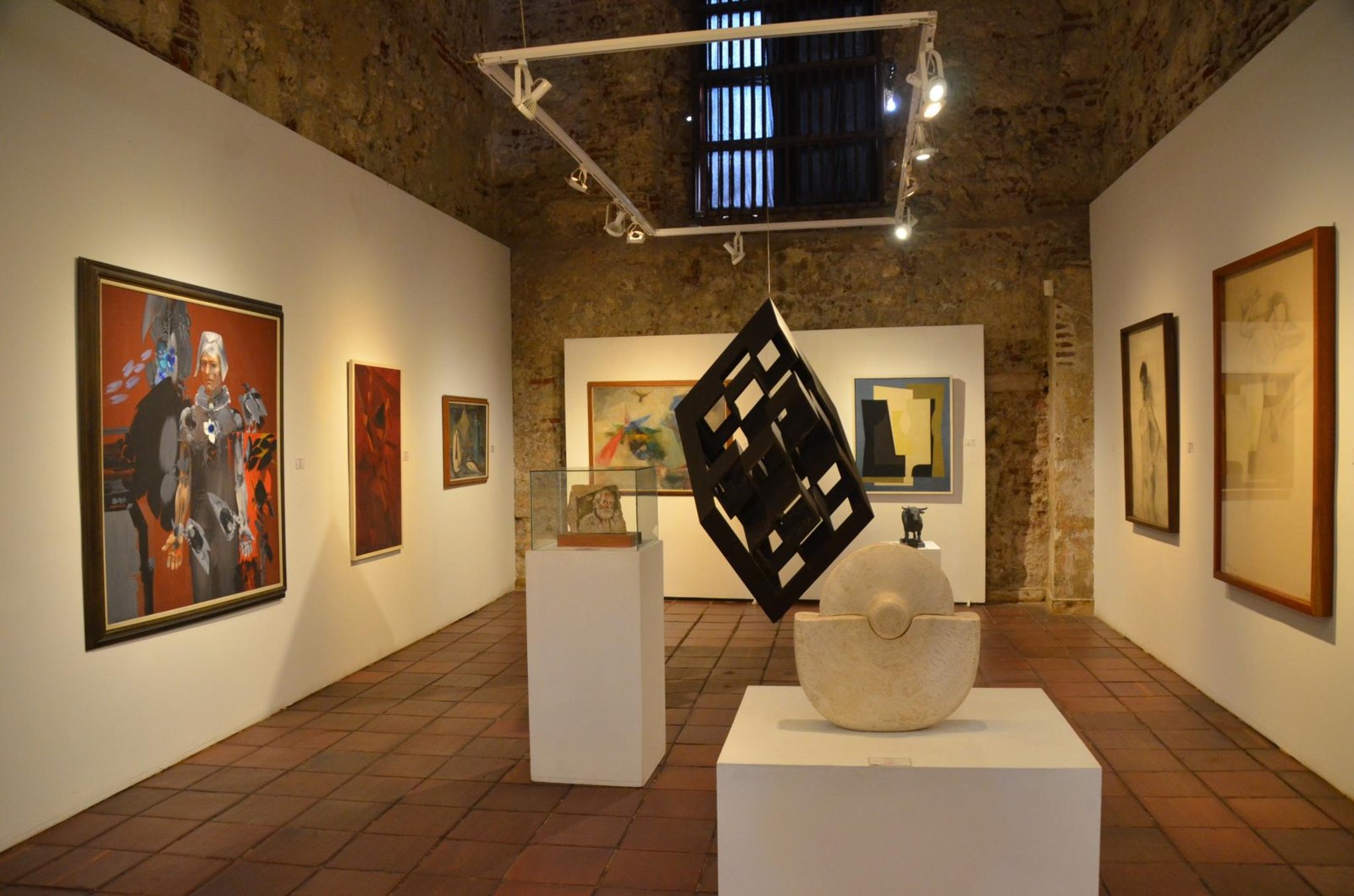
Why This Room Matters: Debora Arango exhibition
Débora Arango was not a quiet figure. She painted nudes when that was scandalous, and she painted politics when that was dangerous.
Sources, including El Colombiano and Caracol Radio, describe her as one of the most important and influential artists in 20th-century Colombia.
She was also the first Colombian woman to paint a nude. That alone would secure her place in the history books, but her work went far beyond that, tackling social injustice, religion, and political hypocrisy with an unflinching eye.
Her boldness opened doors for later generations of women artists. The room honours that courage by showing not just the famous nudes, but also her quieter studies of everyday life.
What You Will See
The 118 works span several mediums. You will find paintings, watercolours, drawings, ceramics, sketches, and pieces made with tiza, or chalk.
The range shows how Arango moved between materials with ease and always with purpose.
The room sits inside the museum’s long-duration gallery, Historias para repensar. That name, which translates to Stories to Rethink, feels fitting for an artist who spent her life asking Colombians to look again at their own society.
Dates and the Cultural Season
The room opened on 1 August 2026. It is now a permanent fixture, meaning you can visit any time the museum is open.
That is the first permanent exhibition space in Colombia devoted exclusively to Arango.
If you want the full experience, plan for late September. The museum and city are staging a broader homage called Temporada Cultural 2026, which runs from 25 September to 25 October.
Expect concerts, talks, and related events across Medellín during those weeks.
Visiting the Museo de Antioquia
The museum sits in the heart of Medellín, right next to the famous Plaza Botero. You can combine the Arango room with a stroll among Fernando Botero’s oversized bronze sculptures outside.
It makes for a perfect half-day of culture.
The sources do not specify ticket prices for this exhibition, so check the museum’s official channels before you go. Opening hours also were not detailed in the reporting, so a quick visit to their website will save you a wasted trip.
Why You Should Care
If you live in or travel through Latin America, this is a rare chance to see a major artist finally get her due. Arango spent decades on the margins of the art world, overshadowed by male peers.
This permanent room corrects that imbalance.
For expats, it is also a window into Colombian identity. Arango’s work captures the tensions, the beauty, and the contradictions of a country that is often described but rarely understood.
You will leave with a richer sense of the place you call home, even if only for a season.
The works are on loan from the family through a comodato agreement, according to Semana, Arcadia, and El Espectador. That means the collection could one day move on, so catching it while it is here is a good idea.
Who She Was
Debora Arango broke rules that few Colombian artists dared touch. Her nudes and sharp political scenes scandalized the country in her lifetime.
Today she is celebrated as a pioneer. Seeing her work in person shows why she still feels bold.
Most of her legacy is held in Medellín. Shows like this bring it to a wider audience.
Arango was born near Medellín in 1907 and lived almost a century. She trained as a painter when few women in Colombia were taken seriously in the field.
Her watercolors and oils took on politics, religion and the female body head-on. Some works were pulled from shows and even drew the church’s anger.
For decades she fell out of fashion, then was rediscovered late in life. Today she is treated as a national treasure.
A show of more than a hundred works is a rare chance to see the full sweep. It rewards a slow, careful visit.
The museum setting matters too. Seeing the works together, in sequence, shows how her ideas grew bolder over time.
For anyone new to Colombian art, this is a strong place to start. Arango’s story opens a window on the country’s past century.
Plan to spend a good hour with the collection. Her images stay with you long after you leave.
Practical Tips for Your Visit
Medellín’s weather is mild year-round, but the museum is a welcome escape from the afternoon sun. Give yourself at least two hours for the Arango room alone, especially if you read the wall texts in Spanish.
Bring a notebook if you like to sketch or write. The works invite a slow, thoughtful pace.
And if you visit during the Temporada Cultural in late September, book any related events early, as they are likely to draw a crowd.
More: Colombia news in English, every day from The Rio Times.
Frequently Asked Questions
Where is the Debora Arango exhibition?
The exhibition is at the Museo de Antioquia in Medellín, Colombia. It is housed in the long-duration gallery called Historias para repensar.
When did the Debora Arango exhibition open?
The permanent room opened on 1 August 2026. A related cultural season, Temporada Cultural 2026, runs from 25 September to 25 October 2026.
How many works are in the exhibition?
The room brings together 118 works by Débora Arango, including paintings, watercolours, drawings, ceramics, sketches, and chalk pieces.
Why is Débora Arango important?
She is considered one of the most influential and transgressive artists in 20th-century Colombia. She was also the first Colombian woman to paint a nude.
Connected Coverage
Sources: Elcolombiano, Caracol, Garua, Riotimesonline, Youtube
This article was produced by The Rio Times’ automated newsroom system. How we use AI · Report an error
Read More from The Rio Times