In the final three months of 2023, Angola’s jobless rate climbed to 31.9%, marking a 2.2% increase.
A striking 80.5% of the workforce is in informal employment, according to recent statistics from Angola’s National Institute of Statistics (INE).
The INE highlights the significant presence of informal jobs in Angola, where 88.5% of employed women and 72.2% of employed men work outside formal sectors.
Rural areas have a higher rate of informal work at 95.5%, in contrast to 69.2% in urban settings. This points to the varying economic landscapes across the country.
Angola has approximately 5.4 million people without jobs, with women facing slightly higher unemployment rates than men.
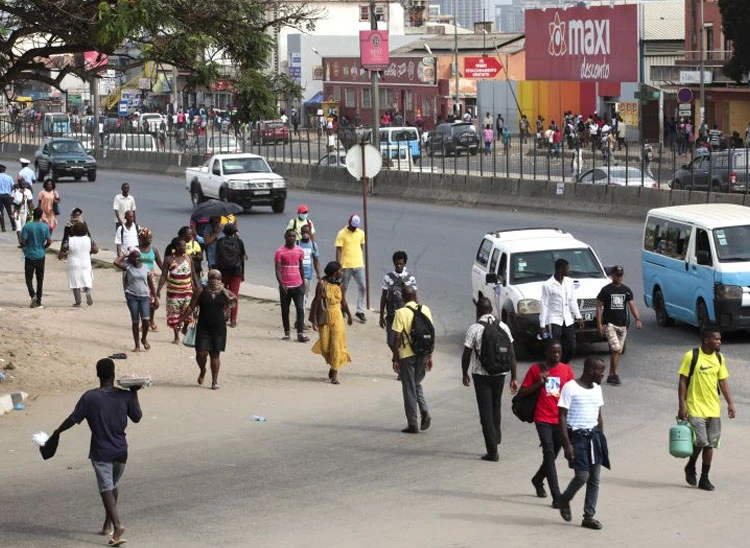
Urban areas report a much higher unemployment rate of nearly 42% compared to 11.4% in rural regions.
Comparing last year’s final quarter with the same period in 2022, the number of unemployed individuals rose by 11.1%.
This reflects a 2.2% increase in the unemployment rate, or a 7.5% change year-over-year.
The INE differentiates between the unemployed count and the unemployment rate.
The latter estimates the percentage of people without work, either formal or informal, who are ready and willing to work. This provides insights into the labor market‘s capacity to meet job demand.
Informal employment in Angola encompasses individuals 15 years of age or older working in the private sector, cooperatives, associations, churches, NGOs, or self-employment.
These workers are often in unregistered units, lacking social support, and not enrolled in social security.
Angola’s job market struggles, reliant on informal work, with urban-rural job disparities highlighting deep-rooted challenges.
More: Angola news in English, every day from The Rio Times.
This article was produced by The Rio Times’ automated newsroom system. How we use AI · Report an error
Part of our ongoing coverage
Africa: The New Scramble — the great-power contest over the continent.
Read More from The Rio Times