Africa Intelligence Brief — Thursday, November 5, 2026
Executive Summary
Africa Intelligence Brief for November 5: South Africa's ANC slips in the local count, Sudan blackouts, Ebola at 10,532 cases, Lissu verdict due.
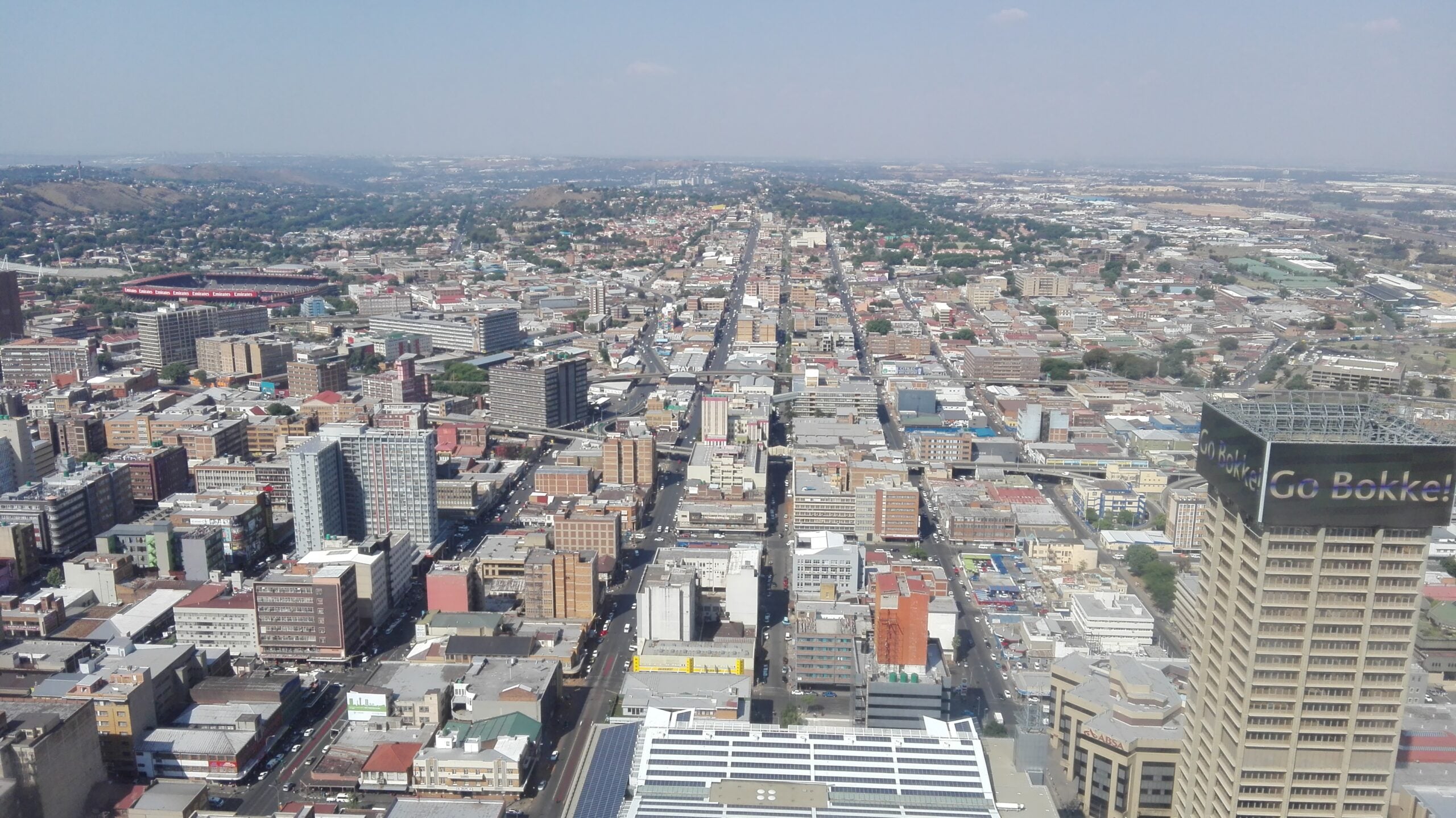
South Africa woke on Thursday to a country that is voting its anger out loud, while Nigerians, Sudanese and Tanzanians wait to see whether their own institutions can be trusted. The mood across the continent is edgy impatience rather than panic.
The register is formal and defensive. Everyone is explaining themselves before anyone has asked.
The through-line is trust being tested in public. Voters, courts and clinics are being asked to hold the line for a few more days.
Key Facts
South Africa count. The ruling ANC (African National Congress) took 45.59% in the 2021 local elections.
Johannesburg. No big party looks set to govern the city alone.
Ebola. DR Congo reported 10,532 confirmed cases and 5,126 deaths as of 2 November.
Sudan. Eighteen attacks on the electricity network were reported in one week, with blackouts across several states.
Tanzania. The High Court in Dar es Salaam delivers judgment in Tundu Lissu’s treason trial on 6 November.
South Africa: A Vote Counted Under Held Breath
South Africans have spent the night watching a ruling party they once treated as permanent lose ground in the cities. A US reader should see a country where no big party can govern alone, which means coalition bargaining, not the ballot box, will decide who runs the cities. Voters are mostly searching for anyone who might fix water and power.
The feeling on the streets is closer to resignation mixed with defiance than to celebration for any camp. Counting nights like this show a democracy that is noisy, public and still willing to be argued over.
Pretoria And Tshwane: Anger Finds New Addresses
The mood is less loyalty to a rival than a search for anyone who might fix water, power and potholes. It reads as a verdict on daily service rather than on grand ideology.
That pragmatism makes the vote harder to predict and harder to capture for any single party. A voter who punishes one party this week may punish its successor just as quickly.
Nigeria: A Campaign Fought Over Who Is Safe
Nigeria’s pre-2027 mood is suspicion about who is protecting whom. Former Vice-President Atiku Abubakar is now the African Democratic Congress candidate. A US reader should treat the Nigerian campaign as an early test of whether a security service can be trusted by the side it polices, with Nigeria’s election now just over a year away.
The tone is guarded, with each side casting the other as the threat to a fair contest. That mutual suspicion matters to investors, because it shapes how much faith they place in the rules of the race.
Sudan: War That Reaches The Light Switch
In Sudan, the war has moved from front lines to the power grid. Drones hit substations at New Halfa, Aroma and Al-Ghazali on 2 November, the 18th attack on the electricity network in a week, causing blackouts in parts of the country.
The register here is weary and practical, because people plan their evenings around whether the lights will hold. For a US reader, the lesson is that infrastructure has become a weapon, and its damage is felt far from any front line.
DR Congo And Tanzania: Two Kinds Of Waiting
In DR Congo the mood is dread with no end date. The European Centre for Disease Prevention and Control said that, as of early November, the country had recorded 10,532 confirmed Ebola cases and 5,126 deaths across eight provinces, with Kenya at nine cases and Nigeria’s first case identified on 20 October.
In Tanzania the mood is a held breath before Friday. The High Court in Dar es Salaam is due to rule on 6 November in the treason trial of Tundu Lissu, the Chadema opposition chairman, and a conviction could carry the death penalty.
The two moods differ in texture, one slow and clinical and the other sudden and personal. Both leave ordinary people waiting on decisions made far above them.
What This Means From Latin America
For Brazil and its BRICS partners, a South Africa governed by unstable city coalitions is a harder place to plan investment, and the AGOA decision that takes effect on 1 January 2027 adds to that uncertainty. Latin American exporters competing in the US market may watch whether South African goods lose their duty-free edge.
For health and travel, an Ebola outbreak now touching Kenya and Nigeria matters to the airlines and medical networks that link the two continents. For politics, Latin American governments that argue over the policing of opposition candidates will recognise the Nigerian and Tanzanian debates.
The common thread is that distant crises travel quickly through trade, travel and politics. A reader in the United States should see Africa’s tensions as linked to its own supply chains and its own arguments about institutions.
The through-line from Latin America is a shared test of whether public trust can survive pressure. That question will be answered slowly, and the answer will be watched closely in both regions.
What We Are Watching
- Thursday, 5 November, 2:15 a.m. ET: South Africa Composite PMI: the S&P Global survey of business activity for October is due with a forecast of 50.2, following 49. A reading above 50 would show activity growing despite the election.
- Friday, 6 November: Tanzania, Lissu judgment: the High Court in Dar es Salaam is due to rule in the treason trial. The reasoning will tell the opposition what speech a court will tolerate.
- South Africa: local-election count: the count in the big cities will shape coalition talks.
- Tuesday, 10 November, 4:30 a.m. ET: South Africa Unemployment Rate: third-quarter data is due with a forecast of 32.5%, following 33.6%. It shows how much economic frustration voters carry out of the election.
- Thursday, 12 November, 7:30 a.m. ET: Uganda Interest Rate Decision: the forecast is 13.5%, following 12%. It shows whether Kampala puts prices ahead of growth.
- Thursday, 19 November, 8:00 a.m. ET: South Africa Interest Rate Decision: the central bank decides with the previous rate at 7.25%. It will be the first rate call after the vote.
Background: Joburg count shows ruling party slipping · Africa: The New Scramble
Frequently Asked Questions
What do the early South African election results show?
No big party looks set to govern alone, which means coalition bargaining will decide who runs the cities. Voters are mostly searching for anyone who might fix water and power.
Who leads in Johannesburg?
No party looks set for an outright majority. Coalition talks between rival parties would decide who runs the city.
How bad is the Ebola outbreak in DR Congo?
The European Centre for Disease Prevention and Control said DR Congo had 10,532 confirmed cases and 5,126 deaths by early November. Kenya has reported nine cases and Nigeria its first on 20 October.
When is the verdict in Tundu Lissu’s trial?
The High Court in Dar es Salaam delivers judgment on Friday 6 November. Lissu, the Chadema chairman, is charged with treason.
This article was produced by The Rio Times’ automated newsroom system. How we use AI · Report an error · Editorial responsibility: Matthias Camenzind, Editor-in-Chief
LatAm Markets: Live Signals → — real-time movers, turnover leaders and FX across Latin America.