Cabo Verde Politics Explained, Who Holds Power in 2026
CABO VERDE · POLITICS
Key Facts
- The country Cabo Verde, also spelled Cape Verde, is an island nation off West Africa with about 490,000 residents.
- The president José Maria Neves is on leave to run again. Speaker Janira Hopffer Almada is acting president.
- The government Prime Minister Francisco Carvalho, a former mayor of Praia, has led the cabinet since June 2026.
- The parliament The PAICV holds 37 of 72 seats, the MpD 33, the UCID 2.
- The vote Presidential vote on Sunday, 15 November 2026; runoff, if needed, on Sunday, 29 November.
Cabo Verde politics runs on a simple split: a president who chairs the nation and a prime minister who runs the government. Right now a new party holds the cabinet, the president is on leave to campaign, and the speaker of parliament fills his chair.
This guide names who holds each main office in November 2026 and explains the parties and institutions behind them. It ends with what the presidential vote on Sunday, 15 November, will decide.

Cabo Verde Politics at a Glance
Cabo Verde is a group of ten volcanic islands in the Atlantic Ocean, about 570 kilometres off the coast of Senegal. It became independent from Portugal on 5 July 1975, and it has held multiparty elections since 1991.
The country is a semi-presidential republic, which means power is split between a directly elected president and a prime minister backed by parliament. Our Cabo Verde presidential election guide has the voting rules and the candidates.
The president is head of state and commander of the armed forces, while the prime minister and cabinet run day-to-day government. The cabinet answers to the National Assembly, the 72-seat parliament.
Two parties have swapped power for three decades: the African Party for the Independence of Cabo Verde (PAICV) and the Movement for Democracy (MpD). The PAICV is the heir of the movement that won independence, and the MpD ended its one-party rule in 1991.
Who Is President Right Now
José Maria Neves is Cabo Verde’s elected president, in office since 2021. He won the first round on 17 October 2021 with 51.79%, the National Elections Commission (CNE) reported.
On Monday, 14 September 2026, Neves announced a bid for a second five-year term. Under the electoral law he had to suspend his powers from that moment until the result is proclaimed.
Janira Hopffer Almada, the speaker of the National Assembly, is therefore acting president. The presidency’s own website calls her Interim President of the Republic in its notices through early November.
Cabo Verde has no vice president, because the constitution lets the speaker step in. Neves was prime minister from 2001 to 2016, and he is the fifth president since independence.
Presidents serve five years and may be re-elected once. Every directly elected president who has sought a second term has won it, from Mascarenhas Monteiro in 1996 to Jorge Carlos Fonseca in 2016.
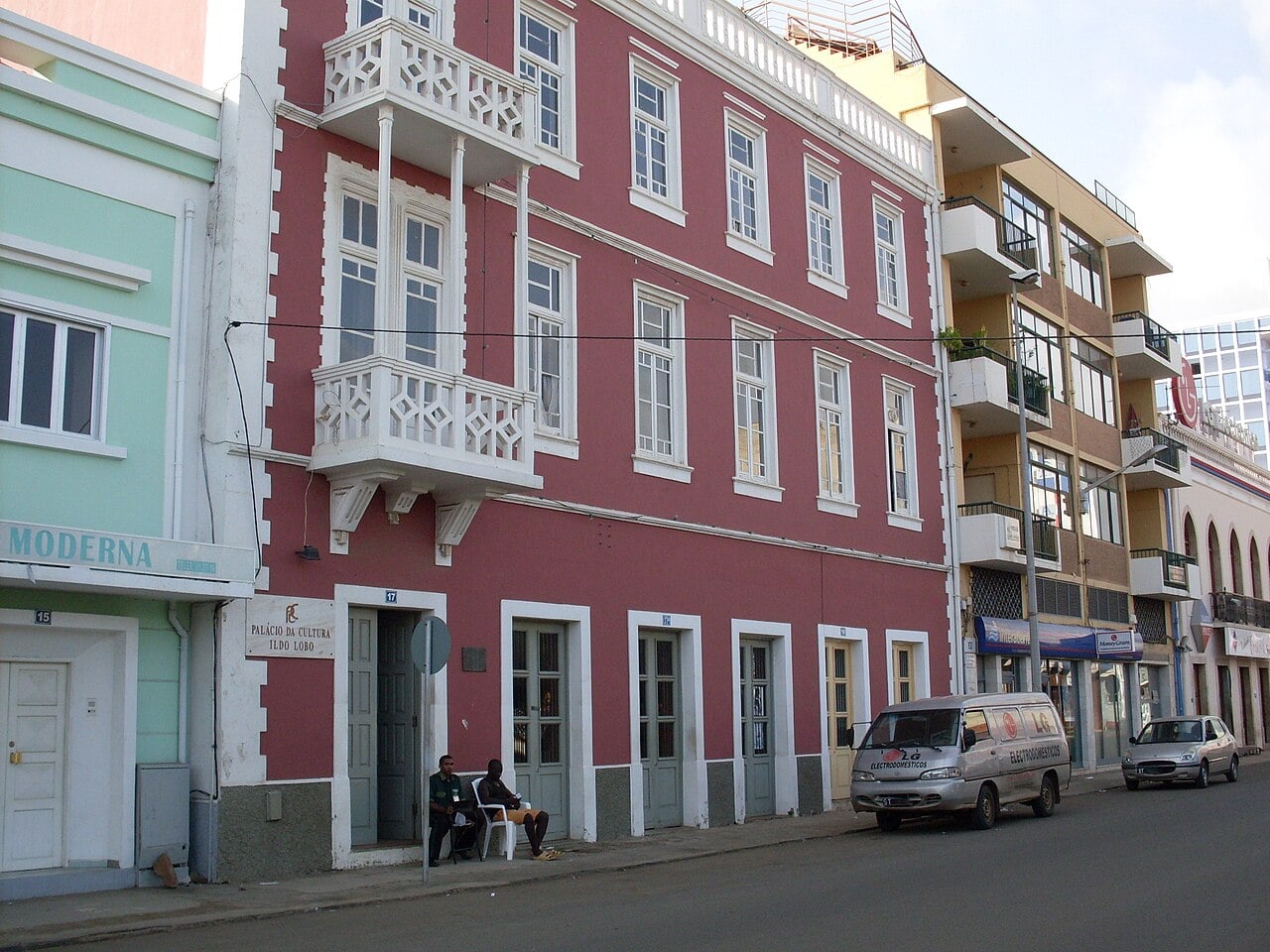
The Prime Minister and the Cabinet
Francisco Carvalho became prime minister in June 2026, after his party won the parliamentary election of 17 May. He is a 55-year-old sociologist born on Fogo island, and he was mayor of the capital, Praia, from 2020.
Carvalho has led the PAICV since May 2025 and also holds the finance portfolio, the government portal shows. He replaced Ulisses Correia e Silva of the MpD, who had been prime minister for ten years.
The cabinet was sworn in on Friday, 19 June 2026, with 15 ministers including Carvalho and three secretaries of state. Its programme is called Cabo Verde para Todos, or Cabo Verde for All.
Clóvis Silva runs Justice and the Presidency of the Council of Ministers, the prime minister’s own office. Manuel Amante da Rosa is Minister of Foreign Affairs, Communities and National Defence.
Carlos Sena Teixeira leads Internal Administration, Lúcio Fernandes is Health Minister and Arnaldo Brito leads Education. António Baptista runs Economy, Trade, Industry and Digital Transition, and Eveline Ramos leads Agriculture and Fisheries.
Parliament and Its Speaker
Parliament has 72 seats, and the 17 May 2026 vote gave the PAICV an absolute majority of 37. The MpD took 33 seats and the Independent and Democratic Cape Verdean Union (UCID) took 2.
The CNE announced the final results on 29 May 2026. The PAICV won 90,660 votes (48.04%), the MpD 84,458 (44.75%) and the UCID 9,812 (5.20%), and two smaller groups won no seats.
Only 193,329 of 416,096 registered voters cast a ballot, a turnout of about 46.5%. Abstention is high in Cabo Verde, and it ran near 52% in the 2021 presidential vote.
Janira Hopffer Almada, 47, was elected speaker when the new legislature opened in June 2026, with 63 of the 72 deputies voting for her. She is the first woman to chair the Assembly and succeeded Austelino Correia of the MpD.
Her 63 votes are well beyond the PAICV’s 37 seats, so deputies from the opposition backed her too. That broad backing matters now, because she holds the presidency’s powers until the vote.
The Parties in Parliament
The PAICV (African Party for the Independence of Cabo Verde) governs again after ten years in opposition. It backs Neves for a second term, and Carvalho leads it as party president.
The MpD (Movement for Democracy) led the government from 2016 to 2026 and is now the main opposition with 33 seats. Paulo Veiga, a former parliamentary leader, won the party leadership vote in September 2026.
Ulisses Correia e Silva stepped down as MpD leader after the defeat, ending 13 years at the top. His party now looks to the presidential race to regain ground.
The MpD backs Joana Rosa, a former justice minister, after 85% of its national directorate voted for her on 29 August. The party hopes she can become the country’s first woman elected president.
The UCID (Independent and Democratic Cape Verdean Union) is the third force with two seats, led by João Santos Luís. We found no announcement of which candidate it supports.
The PAICV and the MpD split the vote almost evenly in May, only about 6,000 votes apart. That closeness explains why both camps treat the presidency as a prize.
Courts, Elections and Other Checks
The Constitutional Court, the top court on constitutional questions, decides who may run for president. On 21 September 2026 it admitted five of 11 candidacies, and a sixth, Loisito Tavares de Sousa, was added on appeal.
The CNE is the independent referee of every election. It sets the calendar, publishes the official notices and announces the results, as it did on 29 May for the parliamentary vote.
The Economic Community of West African States (ECOWAS), the regional bloc, has 20 long-term observers on the islands from 3 to 19 November. About 60 short-term observers are also due.
The president has real but limited tools. A president can veto a law within 30 days, and in a serious institutional crisis can dissolve the Assembly after hearing the parties.
The president appoints the prime minister after listening to the parties and weighing the election result. Our guide to Cape Verde in West Africa explains how the islands fit the region.
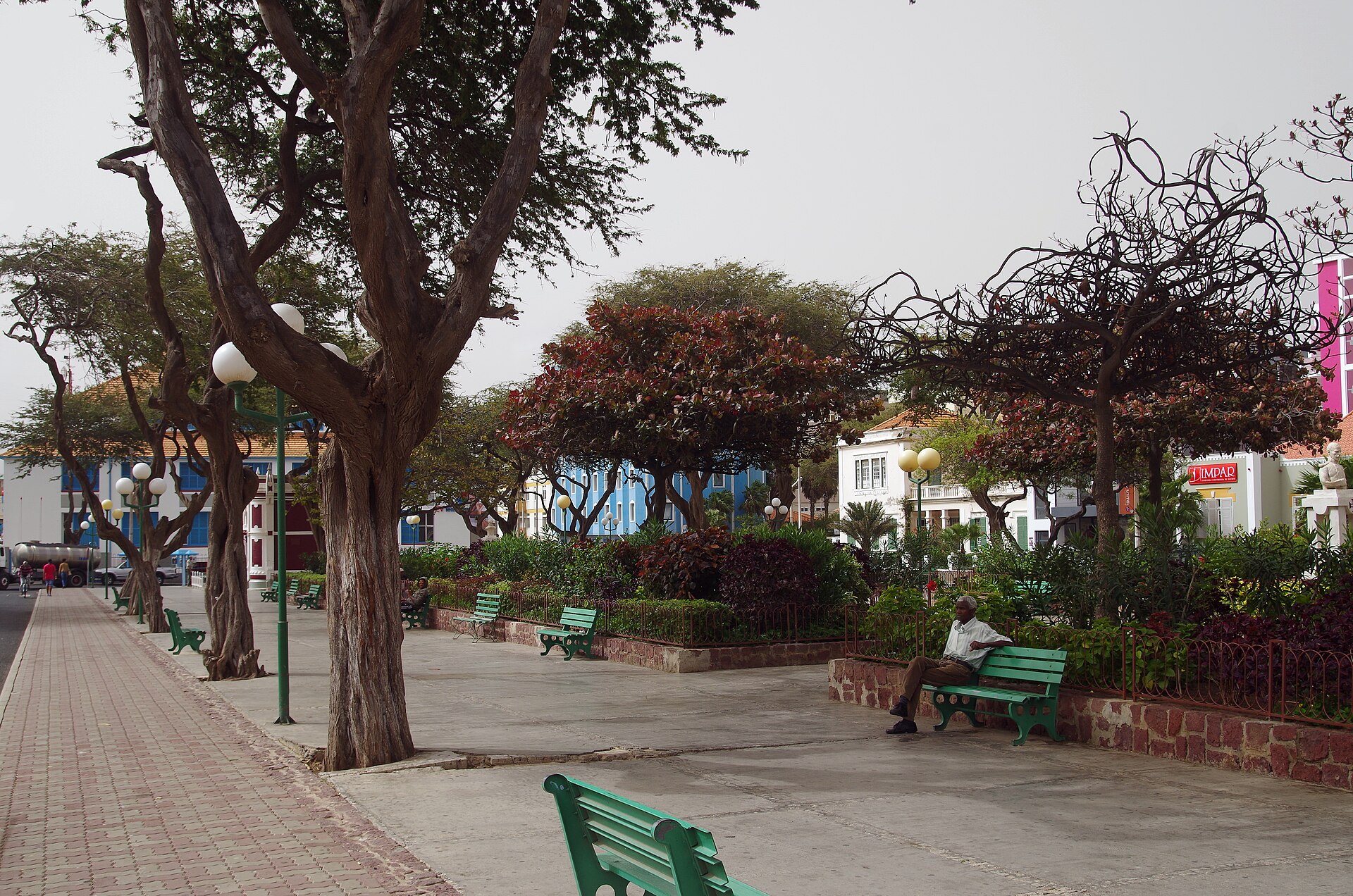
What Is Underway Now
The campaign for the presidency opened on Thursday, 29 October, and runs to Friday, 13 November. Saturday, 14 November is a day of reflection, when all campaigning is banned.
Six names are on the ballot: Antero Tavares, Casimiro de Pina, José Maria Neves, Gilson Alves, Joana Rosa and Loisito Tavares de Sousa. Neves and Rosa are the only two backed by the big parties.
Tavares is a judge standing as an independent, and de Pina is a jurist who took 1.80% in 2021. Alves wants a presidential system, and Sousa is a 40-year-old teacher and activist outside the parties.
Voters can follow our what to watch before the vote for the latest. On 21 October the CNE also made it easier for hospital patients and prisoners to vote early, as our early voting report explains.
What It Means for US Readers
Cabo Verde is one of Africa’s steadier democracies, and the US has a large Cape Verdean community, especially in New England. Cape Verdeans in the United States can vote at consulates and designated sites if they registered by 10 September.
Cabo Verde moved up to Tier 2 in the US State Department’s 2026 anti-trafficking report, as we reported in our trafficking report story. A stable government in Praia keeps that kind of cooperation on track.
What the 15 November Vote Decides
Polling stations are open from 8:00 to 18:00 Cabo Verde time on Sunday, 15 November, the CNE says. Cabo Verde is on UTC−1, so that is 4:00 to 14:00 Eastern Time now that US clocks have gone back.
A candidate needs more than half of the valid votes to win in round one. If nobody does, the top two meet in a runoff on Sunday, 29 November.
The winner serves five years as head of state and commander of the armed forces. The next parliamentary election is not due before 2031, so a president elected now will watch the PAICV government for most of the term.
If Neves wins, the president and the prime minister come from the same camp. If Rosa wins, a president backed by the opposition will sit beside a PAICV government, and the veto and the dissolution power will matter more.
The CNE says municipal counts are due by Wednesday, 18 November, and the official result follows. Either finalist may withdraw before a runoff until 6 p.m. on Tuesday, 17 November.
More: Africa news in English, every day from The Rio Times.
Frequently Asked Questions
Who is the president of Cabo Verde in 2026?
José Maria Neves has been president since 2021, but he suspended his powers on 14 September 2026 to run again. Speaker Janira Hopffer Almada is acting president until the result is proclaimed.
Who is the prime minister of Cabo Verde?
Francisco Carvalho of the PAICV became prime minister in June 2026 after his party won the 17 May election. He is also finance minister and a former mayor of Praia.
Which parties hold power in Cabo Verde?
The PAICV governs with 37 of 72 seats, and the MpD is the opposition with 33. The small UCID holds the other two seats.
When is the Cabo Verde presidential election?
The first round is on Sunday, 15 November 2026, from 8 a.m. to 6 p.m. local time. A runoff, only if no candidate wins a majority, is on Sunday, 29 November.
Who are the candidates for president?
Six candidates are on the ballot: Antero Tavares, Casimiro de Pina, José Maria Neves, Gilson Alves, Joana Rosa and Loisito Tavares de Sousa. Neves is backed by the PAICV and Rosa by the MpD.
Sources: Presidency of the Republic of Cabo Verde, notices on the interim president, 5 November 2026; Government of Cabo Verde, government portal (cabinet portfolios), November 2026; National Elections Commission (CNE), presidential election 2026, November 2026; National Elections Commission (CNE), final results of the 17 May 2026 legislative election, 29 May 2026; Constitutional Court of Cabo Verde, order admitting presidential candidacies, 21 September 2026; Official Gazette of Cabo Verde (Boletim Oficial), presidential election decree 22/2026, 30 July 2026; Constitution of the Republic of Cabo Verde; National Institute of Statistics of Cabo Verde, 2021 census.
This article was produced by The Rio Times’ automated newsroom system. How we use AI · Report an error · Editorial responsibility: Matthias Camenzind, Editor-in-Chief