IBOV 185,629.04 ▼ 0.93% IPSA 11,370.36 ▼ 0.39% IPC MEX 64,814.97 ▼ 0.39% MERVAL 3,110,163 — 0.00% COLCAP 2,584.02 ▲ 0.57% BVL PERÚ 60,246.14 ▲ 0.76% USD/BRL5.12▲ 0.23% USD/MXN16.95▲ 0.29% USD/CLP930.98▲ 0.36% USD/COP3,100▼ 0.55% USD/PEN3.35▼ 0.12% USD/ARS1,514▼ 0.02% USD/UYU40.22▲ 2.98% USD/PYG5,869▲ 2.29% USD/BOB12.55▲ 3.48% USD/DOP58.59▲ 0.15% USD/CRC447.58▲ 1.69% USD/GTQ7.63▲ 3.01% USD/HNL26.84▲ 0.52% USD/NIO36.62▲ 0.34% USD/VES825.67▼ 0.13% USD/PAB1.00— 0.00% USD/BZD2.00— 0.00% USD/JMD 157.28 — 0.00% USD/TTD6.70▲ 2.04% EUR/BRL5.96▲ 0.92% BRENT 88.88 ▼ 0.03% WTI 83.11 ▼ 0.11% IRON ORE 161.91 — — COPPER 6.61 ▲ 0.03% GOLD 4,461 ▲ 1.78% SILVER 65.59 ▲ 1.26% SOY 1,184 ▲ 3.20% CORN 480.50 ▲ 10.02% WHEAT 655.00 ▲ 3.93% COFFEE 317.25 ▼ 5.51% SUGAR 16.43 ▼ 1.79% ORANGE JUICE 138.55 ▼ 0.47% COTTON 85.03 ▲ 2.33% COCOA 5,719 ▲ 3.18% BEEF 223.60 ▼ 3.93% CATTLE 339.10 ▼ 3.16% LITHIUM 75.20 ▲ 1.47% PETR4 41.64 ▼ 0.05% VALE3 72.97 ▲ 0.83% ITUB4 38.60 ▼ 1.03% BBDC4 16.85 ▲ 0.36% ABEV3 14.89 ▼ 0.80% BBAS3 19.37 ▲ 0.47% B3SA3 14.26 ▼ 0.21% WEGE3 47.59 ▲ 0.49% PRIO3 59.14 ▼ 0.19% SUZB3 41.33 ▲ 2.35% RENT3 34.68 ▼ 0.09% AZZA3 15.89 ▼ 2.63% CSAN3 3.22 ▼ 1.83% RAIZ4 0.25 — 0.00% PCAR3 2.75 ▼ 0.36% GMAT3 3.65 ▼ 1.08% PSSA3 48.13 ▼ 0.54% CVCB3 1.33 ▼ 2.92% POSI3 3.36 ▲ 2.44% SLCE3 13.34 ▲ 0.30% NATU3 8.14 ▼ 0.73% IBOV 185,629.04 ▼ 0.93% IPSA 11,370.36 ▼ 0.39% IPC MEX 64,814.97 ▼ 0.39% MERVAL 3,110,163 — 0.00% COLCAP 2,584.02 ▲ 0.57% BVL PERÚ 60,246.14 ▲ 0.76% USD/BRL 5.16 ▲ 0.01% USD/MXN 17.06 ▼ 0.24% USD/CLP 913.98 ▲ 0.04% USD/COP 3,140 ▲ 0.03% USD/PEN 3.36 ▼ 0.66% USD/ARS 1,493 ▲ 0.10% USD/UYU 40.27 ▲ 1.24% USD/PYG 5,939 ▲ 1.68% USD/BOB 11.64 ▼ 0.76% USD/DOP 58.34 ▲ 1.25% USD/CRC 445.92 ▲ 0.89% USD/GTQ 7.62 ▲ 2.21% USD/HNL 26.79 ▲ 1.57% USD/NIO 36.62 ▲ 0.69% USD/VES 762.44 ▼ 0.13% USD/PAB 1.00 — 0.00% USD/BZD 2.00 — 0.00% USD/JMD 157.28 — 0.00% USD/TTD 6.70 ▲ 0.61% EUR/BRL 5.95 ▲ 1.01% BRENT 88.88 ▼ 0.03% WTI 83.11 ▼ 0.11% IRON ORE 161.91 — — COPPER 6.61 ▲ 0.03% GOLD 4,461 ▲ 1.78% SILVER 65.59 ▲ 1.26% SOY 1,184 ▲ 3.20% CORN 480.50 ▲ 10.02% WHEAT 655.00 ▲ 3.93% COFFEE 317.25 ▼ 5.51% SUGAR 16.43 ▼ 1.79% ORANGE JUICE 138.55 ▼ 0.47% COTTON 85.03 ▲ 2.33% COCOA 5,719 ▲ 3.18% BEEF 223.60 ▼ 3.93% CATTLE 339.10 ▼ 3.16% LITHIUM 75.20 ▲ 1.47% PETR4 41.64 ▼ 0.05% VALE3 72.97 ▲ 0.83% ITUB4 38.60 ▼ 1.03% BBDC4 16.85 ▲ 0.36% ABEV3 14.89 ▼ 0.80% BBAS3 19.37 ▲ 0.47% B3SA3 14.26 ▼ 0.21% WEGE3 47.59 ▲ 0.49% PRIO3 59.14 ▼ 0.19% SUZB3 41.33 ▲ 2.35% RENT3 34.68 ▼ 0.09% AZZA3 15.89 ▼ 2.63% CSAN3 3.22 ▼ 1.83% RAIZ4 0.25 — 0.00% PCAR3 2.75 ▼ 0.36% GMAT3 3.65 ▼ 1.08% PSSA3 48.13 ▼ 0.54% CVCB3 1.33 ▼ 2.92% POSI3 3.36 ▲ 2.44% SLCE3 13.34 ▲ 0.30% NATU3 8.14 ▼ 0.73%
since 2009
Thursday, September 10, 2026

Africa Southern Africa

Zimbabwe’s ZiG Currency Falters, Triggering Business Closures and Job Losses

By · January 24, 2025 · 2 min read

Africa Intelligence

One email, every weekday morning. African markets, politics and business — filed from our newsroom in Rio.

Yesterday’s subject line: “Nigeria's Dangote signs for Africa's biggest IPO ever”

Free. We send a confirmation link first — nothing arrives until you click it. Unsubscribe with one click in any edition. If you stop opening us for 30 days we stop sending by ourselves, as we assume the interest is no longer there. See our privacy policy. We never share your email.

Zimbabwe’s latest attempt to stabilize its economy through the Zimbabwe Gold (ZiG) has encountered significant challenges since its introduction in April 2024.

The Reserve Bank of Zimbabwe devalued the ZiG by 43% in September 2024, just five months after its launch. This move aimed to narrow the gap between official and black market exchange rates.

The government implemented tight monetary policies to protect the ZiG from collapse. These measures slightly improved the official exchange rate against the US dollar and stabilized the black market rate.

However, they created a severe shortage of local currency. This shortage has severely impacted businesses, making it difficult for companies to access loans or meet financial obligations.

Foreign companies have begun fleeing the Zimbabwean market due to currency instability. Choppies Enterprises, Unilever, and PricewaterhouseCoopers have all exited the country.
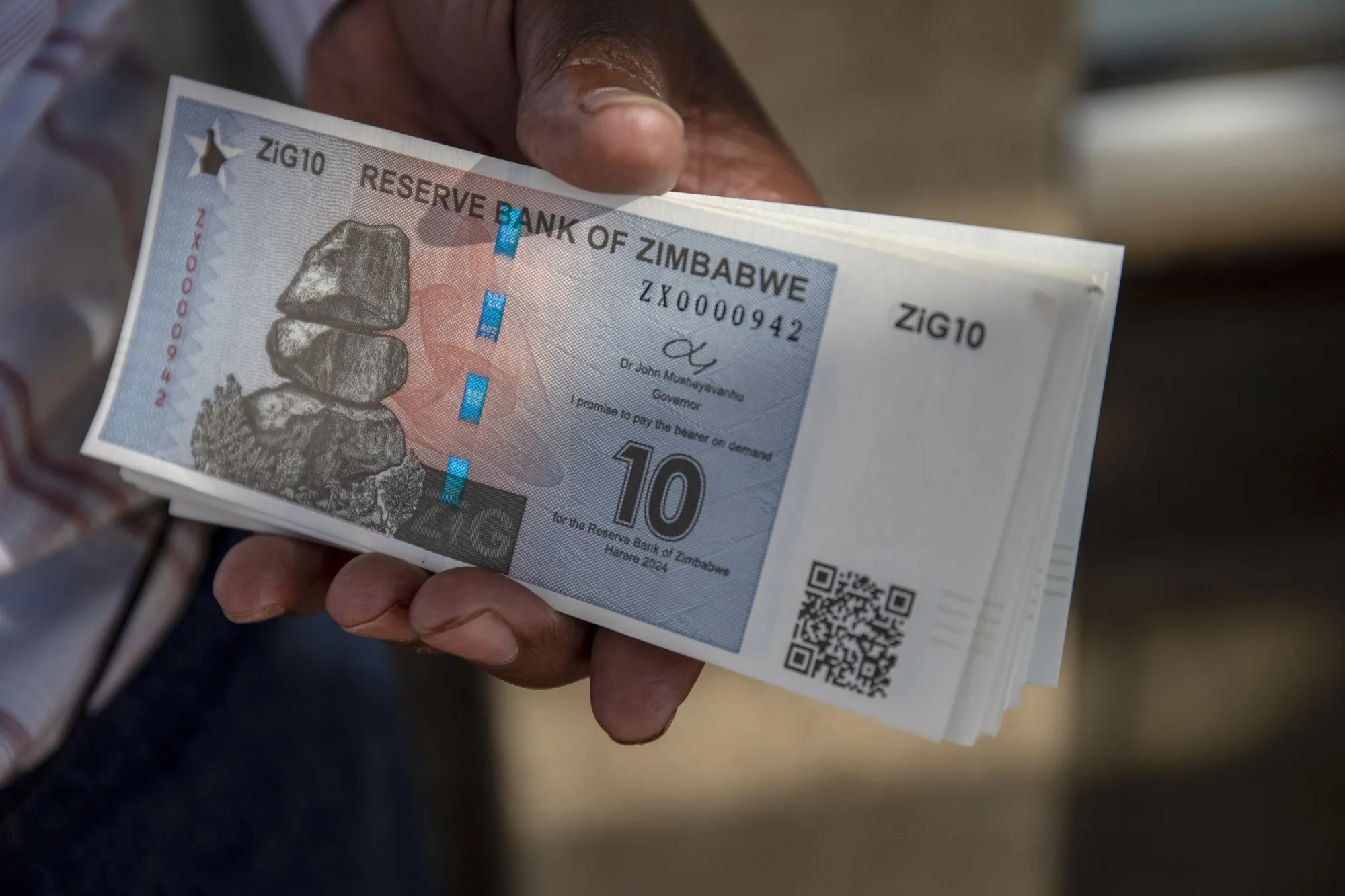
Zimbabwe's ZiG Currency Falters, Triggering Business Closures and Job Losses
Zimbabwe’s ZiG Currency Falters, Triggering Business Closures and Job Losses.
One-stop reference
Company Intelligence
Every listed company in Latin America — financials, ownership and structure for 1,450+ companies across 26 exchanges, in one place.
Browse the directory →
RT
Ask Rio Times
17 years of Latin America reporting, on demand.
Open the full Ask Rio Times →

Tongaat Hulett, a major sugar producer, announced plans to lay off 1,000 employees by August 2025 to cut costs and survive the currency turmoil. The formal retail sector faces intense competition from informal traders who often offer lower prices by operating outside official exchange rates.

This trend has forced many established retailers to the brink of closure. The Retailers Association of Zimbabwe reported that the overvalued exchange rate made their products more expensive than those in informal shops.

Zimbabwe’s Economic Challenges and Currency Struggles

Zimbabwe’s stock market has also suffered, with the Zimbabwe Stock Exchange falling 18% in ZiG terms in December 2024 alone. This decline reflects the broader economic challenges facing the country.

The tight monetary policy has encouraged greater use of US dollars, especially in the informal sector, complicating tax collection and putting additional pressure on formal businesses.

Finance Minister Mthuli Ncube defends the tight monetary policy, arguing that it’s necessary to maintain ZiG stability for business planning and preserving purchasing power.

However, economists warn of unintended consequences and argue that Zimbabwe needs its own sustainable currency to solve its economic problems. Zimbabwe’s currency troubles have a long history, with the country making six attempts to revive a local currency since 2009.

The ZiG represents the latest effort to establish monetary stability, but its struggles highlight the deep-rooted challenges facing Zimbabwe’s economy. As businesses close and jobs disappear, the country’s path to economic recovery remains uncertain.

This article was produced by The Rio Times’ automated newsroom system. How we use AI · Report an error

Part of our ongoing coverage

Africa: The New Scramble — the great-power contest over the continent.

More from Southern Africa

Read More from The Rio Times

The Rio Times · Power Map
See who really holds power in Latin America
Click to open the Power Map

Rotate for Best Experience

This report is optimized for landscape viewing. Rotate your phone for the full experience.