Long-Term Illness Now Causes 37 Percent of Deaths in Africa, and Most Come Early
AFRICA · HEALTH
Key Facts
- —What the data shows Noncommunicable diseases caused 37 percent of deaths in the WHO African Region in 2019, up from 24 percent in 2000.
- —What they are Long-term conditions such as diabetes, cancer, heart disease and chronic respiratory illness.
- —How early they strike Nearly two thirds of those deaths in Africa are premature, against 41.7 percent globally.
- —The global scale Noncommunicable diseases killed at least 43 million people worldwide in 2021.
- —Who is speaking Mohammed Janabi, the World Health Organization’s Regional Director for Africa.
- —The occasion World Patient Safety Day on 17 September 2026, themed on safe care for these conditions.
Thirty-seven percent of deaths, two thirds of them before old age, in a system built for single visits.
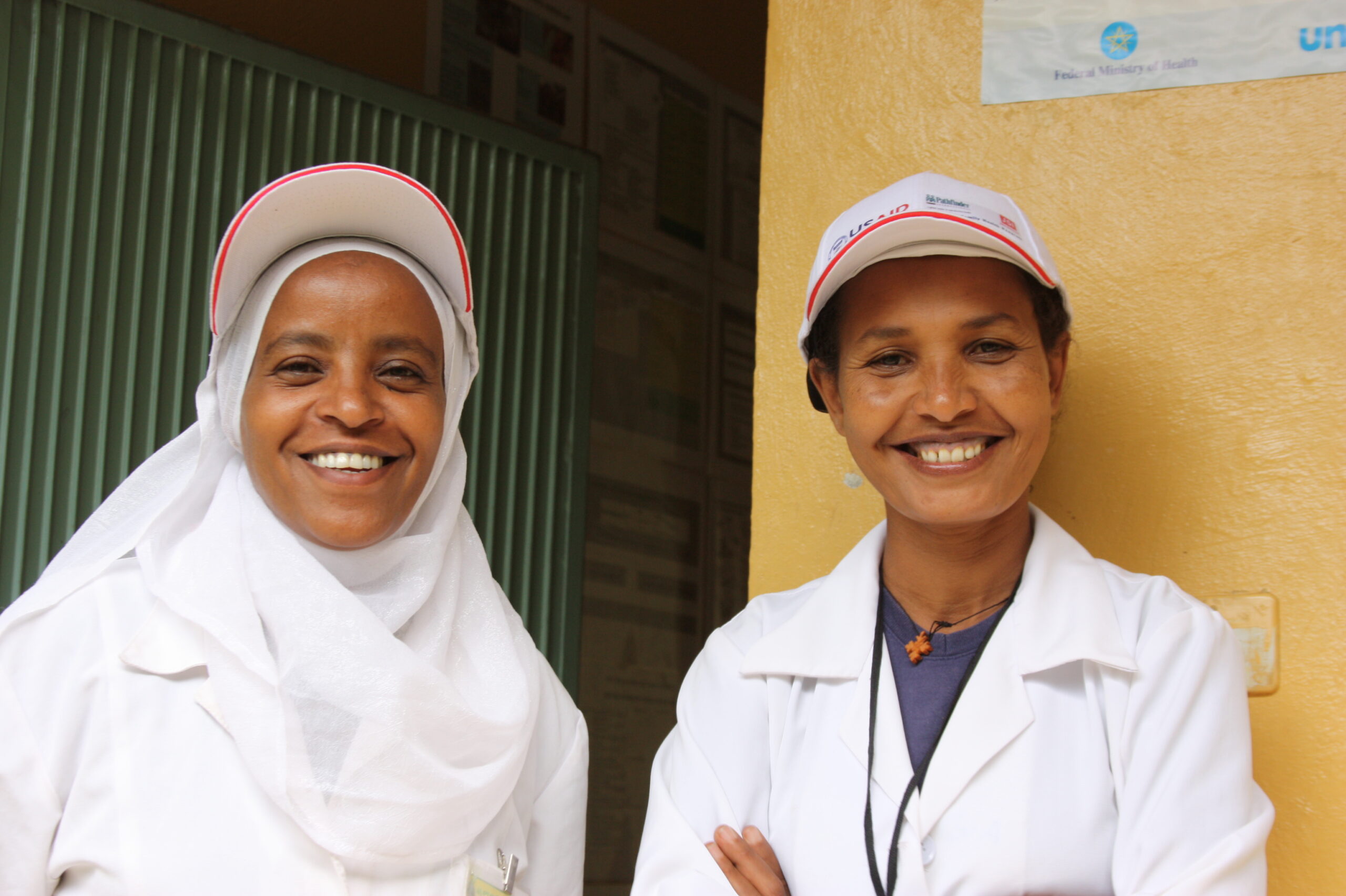
Noncommunicable diseases caused 37 percent of deaths in the World Health Organization’s African Region in 2019. That was up from 24 percent in 2000.
What the Numbers Say
Noncommunicable diseases accounted for 37 percent of deaths in the World Health Organization’s African Region in 2019. The share was 24 percent in 2000.
That is a rise of more than half in under two decades. The figure covers the region as a whole rather than any single country.
What the Term Covers
A noncommunicable disease is one that is not passed from person to person. The main four are cardiovascular disease, cancer, diabetes and chronic respiratory illness.
They are long-term conditions rather than episodes. That distinction is the whole reason they strain health systems differently from infections.
Live Company IntelligenceSociedad Comercial del Plata S.A. — the full investor dossier
Valuation & profitability
Price & risk
$29.1052-wk high
$85.00
Revenue trend · 6y
Ownership
Dividend
The Part That Is Most Striking
Nearly two thirds of noncommunicable disease deaths in the African Region are premature, meaning they occur before old age. The comparable global figure is 41.7 percent.
So the regional burden is not simply larger. It falls disproportionately on people who are still working and raising families.
The Global Picture
Worldwide, noncommunicable diseases killed at least 43 million people in 2021. Of those, 18 million died before the age of 70.
Those are the current figures from the World Health Organization. Earlier published numbers of 41 million and 15 million have been superseded.
Why Safety Is the Framing This Year
World Patient Safety Day on 17 September 2026 is themed on safe care for these conditions. The slogan is safe care for life.
Mohammed Janabi, the organisation’s Regional Director for Africa, put the reason plainly. For a person living with diabetes, cancer, heart disease or a chronic respiratory condition, health care is rarely a single encounter.
Why Repeat Contact Changes the Risk
A patient seen once carries the risk of that one visit. A patient managed over years carries the accumulated risk of every prescription, test and handover along the way.
Medication errors, missed follow-up and fragmented records all compound with time. That is the specific safety problem long-term illness creates.
The Programmes Meant to Address It
The World Health Organization runs a package of essential noncommunicable disease interventions, known as PEN, designed for primary care in low-resource settings. A companion programme, PEN-Plus, extends it to district hospitals for more severe conditions.
Both are built around treating chronic illness close to where people live. Referral to distant specialist centres is what most often breaks continuity of care.
What It Means for People Living in the Region
For anyone managing a long-term condition in an African country, continuity is the practical issue. Keeping your own records and medication list matters more where systems do not share them.
For foreign residents, the same applies with an additional wrinkle. Insurance arrangements often cover acute episodes better than they cover routine chronic management.
What Is Not Yet Known
The regional mortality share is measured to 2019 and has not been updated publicly since. Whether it has risen further is unmeasured.
Nor is there comprehensive regional data on how many patients receive continuous rather than episodic care. That is the figure the safety framing implies but does not supply.
What to Watch
Whether updated regional mortality data is published. The 2019 baseline is now several years old.
Watch also for PEN-Plus expansion announcements. District-level capacity is the measurable part of the response.
More: Africa news and analysis, every day from The Rio Times.
Frequently Asked Questions
What share of African deaths do these diseases cause?
37 percent in the WHO African Region in 2019, up from 24 percent in 2000.
What are noncommunicable diseases?
Long-term conditions that are not passed between people, chiefly cardiovascular disease, cancer, diabetes and chronic respiratory illness.
How many of those deaths are premature?
Nearly two thirds in Africa, compared with 41.7 percent globally.
What is the global death toll?
At least 43 million people worldwide in 2021, including 18 million before the age of 70.
Who is the WHO Regional Director for Africa?
Mohammed Janabi.
What are PEN and PEN-Plus?
World Health Organization packages of essential interventions for these conditions, designed for primary care and district hospitals.
Sources: World Health Organization Regional Office for Africa data and statements marking World Patient Safety Day, 17 September 2026; WHO global fact sheet on noncommunicable diseases.
This article was produced by The Rio Times’ automated newsroom system. How we use AI · Report an error
LatAm Markets: Live Signals → — real-time movers, turnover leaders and FX across Latin America.
Read More from The Rio Times