Weather Extremes Challenge Agriculture and Insurance Sectors
Natural disasters are increasing and causing more people to file insurance claims.
Hard-hit areas include Rio Grande do Sul and Santa Catarina. These regions have seen significant damage due to extreme weather.
Insurance companies are now revising how they assess risks and set premiums. Pedro Ivo Mello, a legal expert, says that companies are making policies stricter.
These changes ask policyholders to manage their risks better, aiming to reduce payouts.
Despite this, Mello thinks that the demand for insurance will grow. He points out that new types of insurance, like parametric, are emerging.
This kind of insurance pays out when specific weather conditions occur, offering more personalized coverage.
Caio Lhano, an insurance consultant, says that parametric insurance is gaining popularity.
Introduced in Brazil in 2017, it’s becoming an option for farmers who can’t get traditional insurance.
The Brazilian stats office IBGE states that more frequent crop failures are affecting traditional agricultural insurance.
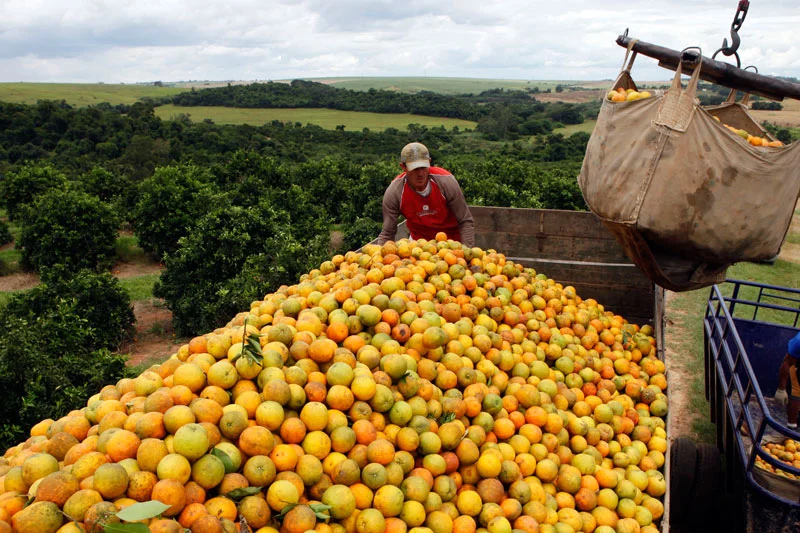
Data shows that payouts for this type of insurance hit R$9.5 billion in 2022, a major increase from 2021.
A study from the University Center of Brasilia reveals a gap in government planning. Only 10 Brazilian capitals have plans that consider natural disasters.
This oversight affects both farmers and insurance companies.
As the rate of natural disasters increases, the insurance market is adapting. Lhano believes that parametric insurance will fill the gap as traditional options become limited.
Background
Natural disasters in Brazil have a storied history.
Historically, regions like Rio Grande do Sul and Santa Catarina have been vulnerable to extreme weather events, notably floods and droughts.
These climatic adversities have impacted not only the locals’ livelihoods but also the country’s broader economic infrastructure.
The agro-based economy, crucial for Brazil, has been at the receiving end of these weather patterns, leading to fluctuating market prices and food insecurity at times.
More: Brazil news in English, every day from The Rio Times.
This article was produced by The Rio Times’ automated newsroom system. How we use AI · Report an error
Read More from The Rio Times