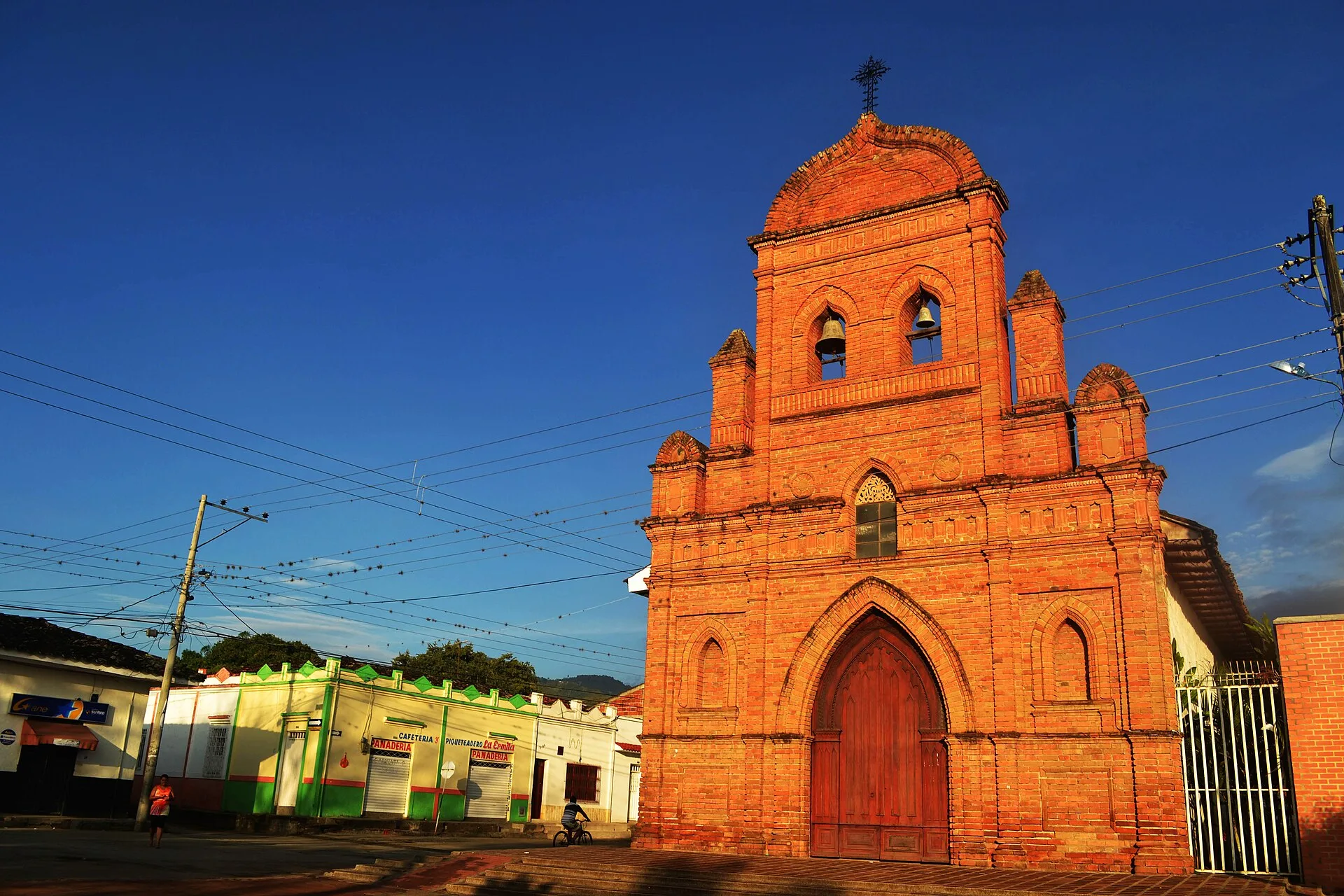
Colombia’s Valle del Cauca region, a department (province) of the country, has launched a first phase to rebuild or repair 11,782 homes after the earthquake of 10 August 2026. The plan is led by governor Dilian Francisca Toro under a campaign called “El Valle lo Reconstruimos Juntos”, or “The Valle, We Rebuild It Together”.
Of the 11,782 housing solutions, 9,369 are assisted reconstructions, meaning repairs with technical help. The other 2,413 are new homes.
Key Facts
—What. Valle del Cauca plans 11,782 housing solutions in a first phase after the 10 August 2026 earthquake.
—Split. 9,369 assisted reconstructions and 2,413 new homes.
—Who. Governor Dilian Francisca Toro leads the plan, which prioritises the most vulnerable families.
—Cost. Reports put the housing plan at about COP 1 trillion (US$300 million); the exact total is unconfirmed.
Valle del Cauca’s first rebuilding phase prioritises vulnerable families, but the total cost, the finish date and the number of completed homes are still unconfirmed.
How the First Phase Works
The departmental government calls its model “assisted self-construction”. It pairs technical support with community participation and prioritises the most vulnerable families.
The campaign brings together businesses, trade groups, institutions and citizens who joined after the earthquake. Its aim is to help rebuild homes and businesses.
Support for Businesses
The departmental and national governments are planning 1,800 forgivable seed-capital loans for affected businesses, according to the campaign. Forgivable means the loans can be written off under set conditions.
Each loan is for up to COP 5 million (about US$1,500), and Roldanillo, a municipality in Valle del Cauca, is the pilot for the rebuilding. Pesos are converted at about COP 3,305 per US$ on 12 November 2026 (RT market data rate).
Why the Cost Is Still Unclear
Reports put the housing plan at about COP 1 trillion (about US$300 million), but the exact total and its sources are not confirmed. We therefore treat that figure as an estimate.
Our earlier reports covered Cali mayor sees four-year rebuild after quake and Colombia quake rebuild still US$15B short. Their figures are not repeated here.
Why It Matters
Assisted self-construction shares the work between households and technical staff. The first phase covers 11,782 homes, so its pace will show how quickly families can return.
There is no direct figure linking the plan to US readers or markets. It matters mainly as a measure of how fast Colombia can house families after the quake.
What Is Not Known
The exact total cost, the funding sources and the completion date for the first phase have not been confirmed. How many of the 11,782 homes are finished is also not stated.
What to Watch Next
No completion date has been announced for the first phase. The next sign of progress will be how many of the 11,782 homes are reported finished.
Frequently Asked Questions
How many homes does the Valle del Cauca plan cover?
The first phase covers 11,782 housing solutions. Of these, 9,369 are assisted reconstructions and 2,413 are new homes.
What is assisted self-construction?
It is a model in which families rebuild with technical help and community participation. The departmental government says it prioritises the most vulnerable families.
How much will the plan cost?
Reports put the housing plan at about COP 1 trillion (about US$300 million). The exact total and its funding sources are not confirmed.
Sources: Valle del Cauca departmental government and its campaign ‘El Valle lo Reconstruimos Juntos’, November 2026. Exchange rate: RT market data, 12 November 2026.
This article was produced by The Rio Times’ automated AI newsroom. Editorial responsibility: Matthias Camenzind, Publisher and Editor-in-Chief. The Rio Times also runs Ask Rio Times, which answers from 100,000+ of our own articles, the daily Latin America Power Map, and prediction-market odds on elections and markets.. How we use AI · Report an error