USA & Canada Intelligence Brief — Monday, July 27, 2026
Executive Summary
USA & Canada Intelligence Brief July 27 — Canada battles catastrophic wildfires as 17,000 flee, violent shootings rock Montreal and Toronto, and Carney
Rio Times · USA & Canada Intelligence Brief July 27
USA & Canada Intelligence Brief July 27 — Key Facts
—Wildfire Evacuations Roughly 17,000 residents fled Flin Flon, Manitoba as a state of emergency was declared.
—Trade Tariffs President Trump announced new 10 percent levies on Canadian products not covered by the CUSMA agreement.
—Carney Majority Prime Minister Mark Carney secured a parliamentary majority through special election wins and a defection.
—Montreal Shooting Three people died, including a police officer and the gunman, in the Côte-des-Neiges neighbourhood.
—Toronto Festival Attack A mass shooting at a festival left two dead and four seriously injured; suspects remain at large.
—Measles Status Canada officially lost its measles elimination status amid a year-long outbreak, health authorities confirmed.
USA & Canada Intelligence Brief July 27 — A besieged Canada fights on three fronts: catastrophic wildfires forcing mass evacuations, a fresh US tariff salvo, and the shock of deadly urban shootings. Meanwhile, a politically fractured United States holds its breath ahead of a Federal Reserve meeting that will test nerves already frayed by inflation and trade-war fallout.
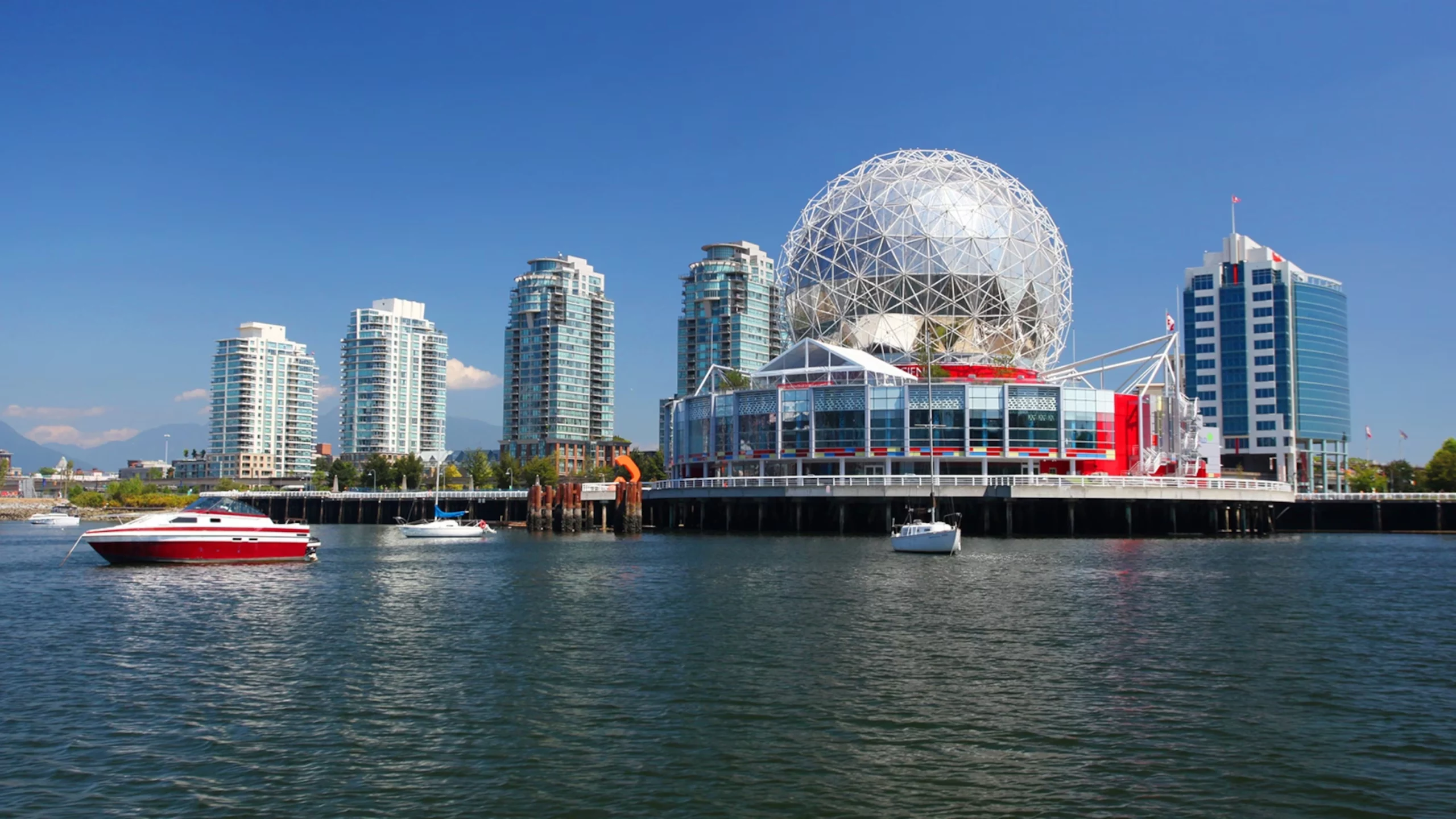
The day brought a rare moment of political clarity for Ottawa as Prime Minister Mark Carney secured a parliamentary majority, yet the national mood remains one of crisis exhaustion. From smoke-choked prairie towns to grieving city neighbourhoods, the region is grappling with a sense that the ground is shifting in unsettling ways.
Canada – Wildfire Emergency
Mass Evacuations Underway
A fast-moving wildfire triggered a state of emergency in Manitoba and forced the evacuation of roughly 17,000 people from Flin Flon. Military aircraft and helicopters are being scrambled to airlift residents from remote communities across Western Canada as flames spread rapidly.
The thick smoke has pushed air-quality advisories as far south as Illinois in the United States. Saskatchewan Premier Scott Moe said the crisis is unlike anything his province has ever experienced, while hazardous air quality now poses a severe health risk for children and the elderly in several First Nations communities.
A Region Under Siege
The fires are being driven by extreme heat and prolonged drought gripping multiple provinces simultaneously. Several remote First Nations in Northern Saskatchewan and Manitoba have been completely emptied by military airlift as a precaution.
The feeling on the ground is one of exhaustion and dread, with communities bracing for a long fire season. The psychological weight of fleeing an unstoppable natural force while the country also faces an economic confrontation with its southern neighbour is deeply unsettling.
Canada – US Trade Conflict
Fresh Tariffs Take Aim
President Donald Trump unveiled new 10 percent levies on specific Canadian products entering the United States, exempting only goods compliant with the CUSMA trade agreement. The move is part of a broader global tariff campaign aimed at correcting perceived trade imbalances, with daily cross-border commerce worth about $3.6 billion at stake.
The Canadian government is actively accelerating a strategy to pivot away from economic dependence on the United States. Ottawa is pushing for stronger domestic economic unification, higher defence spending, and deeper trade ties with European allies as a countermeasure to the new trade hostility.
Anxiety and Defiance
The new tariffs are limited in immediate scope because of the CUSMA exemption, yet they reinforce a growing sense of economic siege across Canada. Business groups and provincial premiers are warning that prolonged uncertainty will chill investment and consumer confidence on both sides of the border.
The mood in Ottawa is one of grim determination to find a new path, but it is tinged with anxiety over how quickly alternative trade relationships can be built. For many Canadians, the tariff attack feels like a betrayal from a long-standing ally, compounding the stress of a nation already battling wildfires and public-safety crises.
Saskatchewan’s premier described the fire situation as unlike anything the province has faced in quite some time, if not ever.
Canada – Parliamentary Politics
Carney Clinches Majority
Prime Minister Mark Carney secured a parliamentary majority for his Liberal administration through a series of special election victories and the defection of an opposition member. The result ends a period of minority-government uncertainty and hands Carney significantly more legislative power.
The timing is critical, as the strengthened majority is expected to give Carney greater leverage in ongoing trade negotiations with the United States. It also provides political cover for the ambitious domestic agenda he has promised to accelerate amid the tariff crisis.
Separatist Backlash
Not all of Canada is celebrating the Liberal majority. In Alberta, separatist groups have seized on the result to intensify their campaign for a formal independence referendum, arguing that the province’s economic interests are being ignored by Ottawa.
The resurgence of western separatist sentiment adds another layer of national fragmentation at a moment when unity feels urgent. The political mood across the country is a strange mix of relief over stability and deepening anxiety over the centrifugal forces pulling at the federation.
Canada – Montreal Shooting
Deadly Confrontation in Côte-des-Neiges
A gunman wearing military-style clothing opened fire in Montreal’s Côte-des-Neiges neighbourhood, killing a police officer, a civilian, and himself in a sequence that has left the city in shock. Police are investigating the motive and the exact circumstances that led to the deadly confrontation.
The attack is the latest in a string of violent incidents that are rattling Canada’s major urban centres. The loss of a police officer in the line of duty has prompted an outpouring of grief and renewed debate about public safety in the country’s second-largest city.
A City on Edge
Montrealers awoke to a heavy atmosphere of mourning and unease, with flags lowered to half-mast across the city. The sense of violation is acute in Côte-des-Neiges, a diverse residential area not accustomed to such violence.
The psychological toll is compounded by the fact that this shooting occurred amid a national climate already saturated with crisis. For many residents, the tragedy feels like yet another blow to a sense of security that is being eroded on multiple fronts.
Canada – Toronto Festival Shooting
Mass Shooting at a Summer Gathering
A mass shooting at a Toronto festival left two people dead and four others seriously injured, turning a celebration into a scene of chaos and terror. Prime Minister Carney issued a statement saying he was horrified by the attack as police continued an active hunt for suspects with no arrests yet announced.
The shooting has intensified a sense of urban vulnerability that has been building across Canada in recent months. Witnesses described panic and confusion as festival-goers scrambled for cover, with the sound of gunfire shattering a warm summer evening.
Grief and Frustration
The lack of immediate arrests is fuelling community frustration and a demand for answers from law enforcement. Toronto, a city that prides itself on multicultural harmony and relative safety, is wrestling with the uncomfortable feeling that something is shifting in its public spaces.
The dual shock of the Toronto and Montreal shootings on the same day has created a national moment of sorrow and alarm. Canadians are asking hard questions about the factors behind the violence while simultaneously coping with wildfires and economic threats from abroad.
Canada – Measles Status Lost
A Public Health Setback
Canadian health officials confirmed the country has lost its measles elimination status, a benchmark requiring the sustained absence of endemic virus transmission. The loss is tied to a year-long outbreak that has spread across several regions, marking a significant public-health reversal.
Authorities are intensifying vaccination campaigns in the most affected communities, urging parents to ensure their children are immunised. The development is a sobering reminder that hard-won health gains can be fragile when vaccination coverage slips.
Worry Beneath the Surface
The measles news adds a quieter but persistent worry to the national mood, especially for families with young children. Though less dramatic than wildfires or shootings, the loss of elimination status feeds an undercurrent of concern about the capacity of public institutions to protect citizens.
Health experts are framing the setback as preventable, which only deepens the public frustration. In a country already feeling besieged by external threats, the return of a disease once considered eliminated feels like a symbolic wound.
United States – Economy and Inflation
Fed Braces for Tariff Fallout
The Federal Reserve is widely expected to hold interest rates steady at its two-day meeting beginning tomorrow, as Chair Jerome Powell and his colleagues assess the inflationary impact of the new tariff regimes. Consumer sentiment readings are already flashing warning signs about the rising cost of living in major cities across the country.
Manufacturing data points to a modest contraction in factory activity for a second consecutive month, adding to a mixed economic picture. The combination of trade-policy uncertainty and stubborn price pressures is creating a cautious, wait-and-see atmosphere in boardrooms and households alike.
An Anxious Watchfulness
The national mood is one of nervous watchfulness, with consumers and investors alike fixated on the Fed’s next move and its implications for borrowing costs. The administration’s confidence on the tariff strategy is colliding with a public that feels the pinch of grocery bills and rent.
The psychological divide is stark: while policymakers argue the trade measures will pay off in the long run, many Americans are living a day-to-day reality of stretched budgets and uncertainty about the future. This tension is unlikely to ease until clearer economic signals emerge.
United States – Political Fractures
Congress Descends into Partisan Theatre
Congressional hearings on the handling of campus protests earlier this year dissolved into bitter partisan shouting matches that solved little and aired much grievance. The spectacle reflected a political class more interested in scoring points than in addressing the underlying issues.
Polling data indicates a sharp decline in public trust regarding the impartiality of the Department of Justice, a trend cutting across Republican and Democratic voters alike. The erosion of faith in a cornerstone institution adds a corrosive element to an already tense political environment.
A Fractured Public Square
The mood in Washington and beyond is one of deepening polarisation, with common ground feeling increasingly elusive. Americans are less inclined to trust the information they receive from the other side, and the tone of national debate has grown harsher and more personal.
This political fracturing is occurring against a backdrop of economic unease and global instability, making the country feel more brittle. The sense that institutions are failing to mediate conflict is perhaps the most unsettling undercurrent in American public life right now.
The Bigger Picture
Monday painted a picture of a North America under strain from forces both natural and man-made, with Canada absorbing the heaviest blows. The sheer simultaneity of crises — fires in the west, tariffs from the south, and gunfire in the streets of its great cities — has created a collective sense of being under siege that is difficult to overstate.
The United States is not facing flames or mass evacuations, but its own form of psychological pressure is evident: a jittery economy, a polarised political culture, and a populace uneasy about where the country is heading. The Federal Reserve meeting this week will be watched not just for rate decisions but as a barometer of official confidence in the path ahead.
Across both countries, the dominant feeling is one of waiting — for the next tariff announcement, the next fire update, the next arrest, the next economic data point. It is an exhausting posture, and the human need for a stretch of calm, predictable days is palpable in the news coverage and in the public mood it reflects.
USA & Canada Intelligence Brief July 27: What We Are Watching
- Today – Military airlift continues evacuating remote communities in Manitoba and Saskatchewan as wildfire conditions remain extreme.
- Today – Toronto police intensify the search for suspects in the deadly festival shooting; no arrests yet.
- Today – Montreal authorities prepare an update on the Côte-des-Neiges shooting investigation for Tuesday morning.
- This week – Federal Reserve two-day meeting begins Tuesday; a steady-rate decision is expected but the language on inflation will be scrutinised.
- Today – Canada-US trade working group holds a technical call to clarify the scope of the new 10 percent tariff exemptions.
- This week – Alberta separatist campaigners plan a major rally, emboldened by the Liberal majority result in Ottawa.
- This week – Major chipmakers report earnings as the market gauges the financial hit from expanded US semiconductor export controls.
- Today – Health officials in affected regions push urgent vaccination messaging as Canada’s measles elimination status is formally revoked.
Go Deeper
The full USA & Canada Intelligence Dossier — the interactive risk dashboard and the six people who matter — is updated daily by the Rio Times Intelligence Desk.
The USA & Canada Intelligence Brief July 27 returns tomorrow morning.
Frequently Asked Questions
How many people had to leave their homes because of the wildfire in Manitoba?
Roughly 17,000 residents fled Flin Flon, Manitoba after a state of emergency was declared.
What new trade measure did President Trump announce?
President Trump announced new 10 percent levies on Canadian products not covered by the CUSMA agreement.
What happened in Montreal's Côte-des-Neiges neighbourhood?
Three people died, including a police officer and the gunman, in a shooting in the Côte-des-Neiges neighbourhood.
This article was produced by The Rio Times’ automated newsroom system. How we use AI · Report an error