US Lifts Mexico Cattle Ban After Screwworm Crisis
Mexico · Trade
Key Facts
—First reopening Douglas, Arizona port resumes Mexico cattle imports on August 24, 2026
—Next ports Santa Teresa and Columbus, New Mexico will reopen at unspecified later dates
—Suspension trigger USDA halted imports in May 2025 after New World screwworm spread northward from Mexico
—Eradication effort Mexico releases over 100 million sterile flies weekly to contain the parasite
—Market impact Analysts expect only limited, short-term psychological softening of feeder cattle prices
Mexico cattle imports will resume on August 24, 2026, when the United States reopens its Douglas, Arizona port of entry to live animals, ending a 15-month suspension that disrupted North American beef supply chains and strained ranchers on both sides of the border.
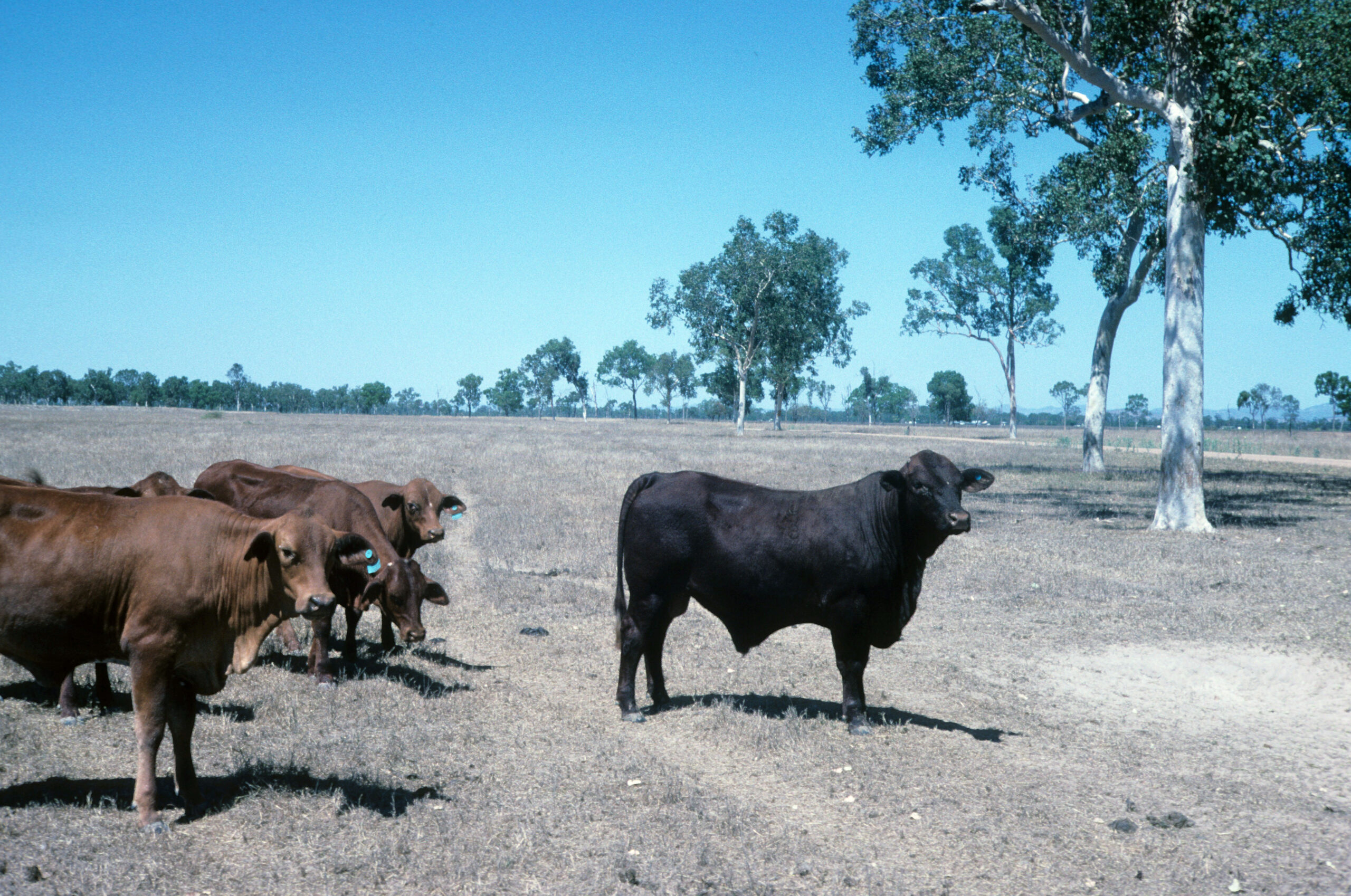
The Mexico Cattle Imports Reopening
The US Department of Agriculture confirmed it will restart live cattle imports from Mexico in stages, with the Douglas, Arizona crossing opening first on August 24. Two additional ports – Santa Teresa and Columbus, both in New Mexico – will follow at later, unspecified dates.
USDA officials described the approach as a step-by-step review process. The department will reassess the screwworm situation between each reopening phase, basing decisions on case numbers and the geographic spread of the parasite.
An earlier USDA proposal had also tied the eventual reopening of crossings at Del Rio and Laredo, Texas, to additional control measures by Mexican state authorities. Those Texas ports remain closed under the current plan, with no timeline announced for their return to service.
The Screwworm Outbreak That Shut the Border
The New World screwworm is a parasitic fly larva that feeds on the living tissue of warm-blooded animals. Infestations can kill cattle, wildlife, and pets if untreated, making it one of the most serious livestock pests in the Western Hemisphere.
Mexico reported its first case to US authorities in November 2024. As the parasite spread northward, USDA Secretary Brooke Rollins suspended live-animal imports through all southern border ports in May 2025, a ban that remained in place month by month while containment efforts ramped up.
Mexico’s eradication campaign has relied heavily on the sterile insect technique. Authorities are releasing more than 100 million sterile screwworm flies each week to collapse the wild population by preventing reproduction.
The Associated Press reported that by late July 2026, there had been no evidence of northward spread for eight consecutive weeks. That epidemiological pause gave USDA the confidence to begin the phased reopening.
At reopened ports, inspectors from USDA’s Animal and Plant Health Inspection Service will examine every shipment to ensure imported animals show no signs of screwworm infestation before they can enter US territory.
Diplomatic Coordination Between Washington and Mexico City
Mexican Agriculture Secretary Julio Berdegué participated in a virtual meeting with USDA Secretary Brooke Rollins to confirm the restart. Berdegué had earlier signaled Mexico’s preference for a managed, phased return rather than an indefinite blanket closure.
The bilateral cooperation reflects the deep integration of the North American cattle market. Mexican authorities have pressed eradication measures including surveillance and sterile-fly dispersal to keep the outbreak from pushing further toward the US border.
For Mexico, the closure created a glut of cattle that could not cross north, depressing domestic prices while US ranchers and feedlots faced tighter supplies. The reopening, even if gradual, restores a critical export channel for Mexican producers.
What It Means for Cattle Prices
Industry analysts caution that the market impact of the reopening will likely be limited and gradual. There is no large backlog of animals waiting to move, and the phased schedule means supply will return in increments rather than a flood.
Brownfield Ag News quoted an analyst saying the restart would probably cause only a short-term, mostly psychological softening in feeder cattle prices. Any relief for US buyers facing elevated input costs is expected to be temporary.
Reuters and The Wall Street Journal noted the reopening could help alleviate rising beef prices for American consumers, though the effect will take time to filter through the supply chain. The US-Mexico cattle trade is substantial enough that prolonged disruption affects both supply and retail pricing.
For ranchers in states like Texas, where feedlots depend on Mexican feeder cattle, the reopening begins to restore a supply line that had been completely severed since May 2025. Mexican ranchers, meanwhile, regain access to the higher-paying US market after more than a year of restricted options.
Looking Ahead: Conditions for Full Normalization
USDA has made clear that the pace of further reopenings depends entirely on continued progress against the screwworm. The department will monitor case numbers and geographic spread before greenlighting Santa Teresa and Columbus, and later the Texas crossings.
The sterile-fly campaign remains the cornerstone of containment. As long as Mexico sustains its weekly releases of over 100 million sterile flies and surveillance shows no renewed northward movement, the phased schedule can proceed.
For international investors and expatriates watching Latin American agricultural markets, the reopening signals that US and Mexican authorities have found a workable balance between biosecurity and trade. The episode highlights how quickly a single pest can disrupt a multi-billion-dollar cross-border livestock economy.
Background: our argentinas economic crisis explained what it means for brazil and investors guide.
More: Mexico news in English, every day from The Rio Times.
Frequently Asked Questions
Why did the US suspend Mexico cattle imports?
The USDA suspended live cattle imports from Mexico in May 2025 because of a northward-spreading outbreak of New World screwworm, a parasitic fly larva that feeds on living animal tissue and can kill livestock.
When will Mexico cattle imports fully resume?
Imports resume in phases starting August 24, 2026, at Douglas, Arizona. Santa Teresa and Columbus, New Mexico, will follow later, but no dates have been set for Texas ports like Del Rio and Laredo.
How will the reopening affect US beef prices?
Analysts expect only a limited, short-term psychological softening in feeder cattle prices. There is no large backlog of animals, and the phased reopening means supply returns gradually, so any consumer price relief will be modest and slow to materialize.
Connected Coverage
Sources: US Department of Agriculture.
This article was produced by The Rio Times’ automated newsroom system. How we use AI · Report an error · Editorial responsibility: Matthias Camenzind, Editor-in-Chief
In depth
LatAm Markets: Live Signals → — real-time movers, turnover leaders and FX across Latin America.