Mexico · Security
Key Facts
—Targeted Entities OFAC sanctioned Agropecuaria Amateq del Valle S.A. de C.V. and Casa Tequilera El Origen Del Tequila S.A. de C.V. on July 23, 2026.
—Laundering Volume The network allegedly laundered tens of millions of dollars per year since at least 2023 through agave and spirits businesses.
—Cartel Leader The network was reportedly headed by Audias Flores Silva, known as “El Jardinero,” a high-ranking CJNG figure.
—Coordinated Action Mexico’s Financial Intelligence Unit (UIF) filed a criminal complaint for money laundering and placed the subjects on its Blocked Persons List.
—Broader Crackdown The tequila designations were part of a massive OFAC action targeting over 50 Mexican individuals and entities tied to CJNG.
The U.S. Treasury Department imposed CJNG tequila sanctions on July 23, 2026, targeting two Mexican agave and spirits companies for their alleged role in a sophisticated money laundering scheme. The action reveals how the Jalisco New Generation Cartel (CJNG) used the booming tequila industry to clean tens of millions of dollars in illicit proceeds annually.
CJNG Tequila Sanctions: The Front Companies
The Office of Foreign Assets Control (OFAC) specifically designated Agropecuaria Amateq del Valle S.A. de C.V. and Casa Tequilera El Origen Del Tequila S.A. de C.V. These firms were not marginal players but were integrated into a network that moved massive volumes of cash.
Agropecuaria Amateq del Valle operated as a beverage crop production company. Casa Tequilera El Origen Del Tequila functioned as a spirits producer, giving the cartel direct access to the legitimate global tequila market.
The Treasury alleges the network used these businesses as front companies. By mixing illegal drug proceeds with revenue from legal agave farming and tequila distillation, the cartel could justify large, cross-border financial transfers.
How the Money Laundering Worked
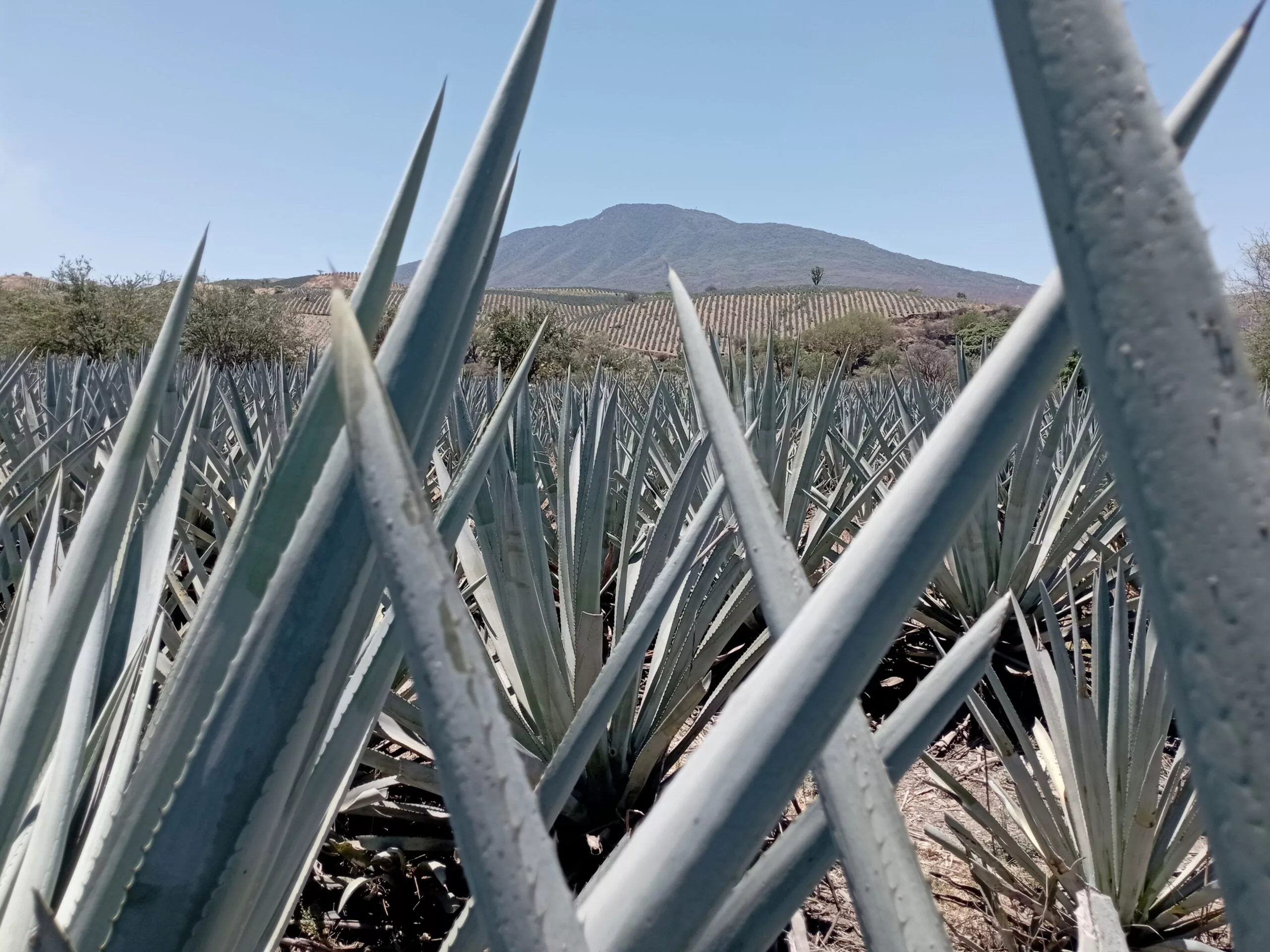
Money laundering through agave businesses exploits the capital-intensive nature of the industry. Growing agave requires significant upfront investment and a wait of roughly seven years before harvest.
Cartels can inject illicit cash by overstating the purchase of agave plants, equipment, or real estate. They can also export tequila at inflated invoices, moving clean money back from international distributors to Mexico.
The U.S. Treasury stated the network laundered tens of millions of dollars per year since at least 2023. The scheme formed a critical part of CJNG’s broader criminal revenue structure, converting street-level drug sales into seemingly legitimate agricultural assets.
Once a company like Casa Tequilera El Origen Del Tequila mixes dirty money with clean sales, the cartel can repatriate profits through dividends, salaries, or loans. This provides a steady, legal-looking income stream for operatives.
Key Figures and Coordinated Action
The U.S. identified Audias Flores Silva, alias “El Jardinero,” as a leader of the sanctioned network. Flores Silva is a high-priority CJNG target linked to violent operations and drug trafficking.
The action was not unilateral. Mexico’s Financial Intelligence Unit (UIF), part of the Finance Ministry, coordinated closely with the U.S. Treasury. The UIF simultaneously placed the identified subjects on its Blocked Persons List.
Furthermore, the UIF filed a formal criminal complaint with Mexico’s Attorney General’s Office for alleged money laundering. This dual-track approach aims to freeze assets in the U.S. while building a domestic criminal case in Mexico.
The tequila-related designations were just one slice of a massive July 23 sanctions package. The broader action hit over 50 Mexican individuals and entities, marking one of the largest single-day OFAC strikes against the CJNG.
Impact on the Tequila Industry
The sanctions immediately freeze any U.S.-based assets of the designated companies. They also prohibit American citizens and businesses, including importers and distributors, from transacting with the firms.
For the legitimate tequila industry, the action is a reputational alarm bell. The agave spirits sector has seen explosive global growth, and that very profitability makes it an attractive vehicle for illicit finance.
Legitimate producers in Jalisco now face increased scrutiny from financial institutions. Banks may apply enhanced due diligence to agave exporters, fearing they might inadvertently process cartel-linked funds.
Industry groups have long warned about organized crime infiltrating the agave supply chain. This includes theft of mature agave plants and extortion of farmers, but the OFAC action confirms a more systemic financial infiltration.
The Broader Crackdown on Cartel Finances
The U.S. strategy has shifted from solely targeting drug kingpins to dismantling the financial ecosystems that sustain them. Cartels need to move, store, and invest billions of dollars annually.
By targeting seemingly boring agricultural businesses, OFAC aims to show that no sector is safe for hiding cartel money. The designation makes it nearly impossible for these firms to access the U.S. banking system or international dollar-clearing.
Previous actions focused on timeshare fraud and fuel theft networks. The tequila sanctions demonstrate that CJNG has diversified its money laundering portfolio into Mexico’s most iconic export industry.
The U.S. Treasury Secretary noted that the action underscores a commitment to targeting illicit finance wherever it operates. The message to foreign investors is clear: verifying supply chain integrity in Mexico is no longer optional but a regulatory necessity.
What Comes Next
The criminal complaint filed by Mexico’s UIF could lead to arrests and asset seizures within Mexican territory. Mexican authorities now have a legal basis to raid properties linked to Casa Tequilera El Origen Del Tequila.
For international investors and expats, the case highlights a critical compliance risk. Investing in or partnering with Mexican agave businesses now requires rigorous background checks to avoid sanctions violations.
The U.S. may issue further general licenses or guidance for the industry. However, the current blocking sanctions are comprehensive, effectively isolating the named companies from the global financial system.
As the investigation unfolds, more entities may be added to the blacklist. The CJNG tequila sanctions serve as a template for how law enforcement can follow the money trail from street corners to corporate boardrooms.
More: Mexico news in English, every day from The Rio Times.
Frequently Asked Questions
Why did the US sanction tequila companies?
The U.S. Treasury sanctioned Casa Tequilera El Origen Del Tequila and Agropecuaria Amateq del Valle for allegedly laundering tens of millions of dollars annually for the CJNG cartel since at least 2023.
Who is Audias Flores Silva?
Audias Flores Silva, known as “El Jardinero,” is a high-ranking leader of the Jalisco New Generation Cartel. The U.S. identified him as the head of the network that used tequila businesses to launder money.
How does money laundering work in the tequila industry?
Cartels inject illicit cash by overstating agave purchases or equipment costs. They also export tequila with inflated invoices, allowing them to repatriate clean dollars from international distributors back to Mexico.
Sources: OFAC; Mexico's Financial Intelligence Unit (UIF).
This article was produced by The Rio Times’ automated newsroom system. How we use AI · Report an error · Editorial responsibility: Matthias Camenzind, Editor-in-Chief