US Puts US$2 Million Into Guyana’s Skies as It Watches Venezuela
Guyana · Security
Key Facts
- —The funding The US announced US$2 million to boost Guyana’s air surveillance and drone capabilities.
- —The trigger It followed an August 11 meeting between US Deputy Secretary of State Christopher Landau and President Irfaan Ali.
- —The purpose To help Guyana monitor its airspace and build unmanned-aircraft capacity.
- —The uses It is tied to counternarcotics, border security and other priorities.
- —The framework It builds on a US-Guyana security cooperation agreement signed in March 2025.
Washington is helping Georgetown see what flies over its territory, a modest sum with an outsized strategic message.
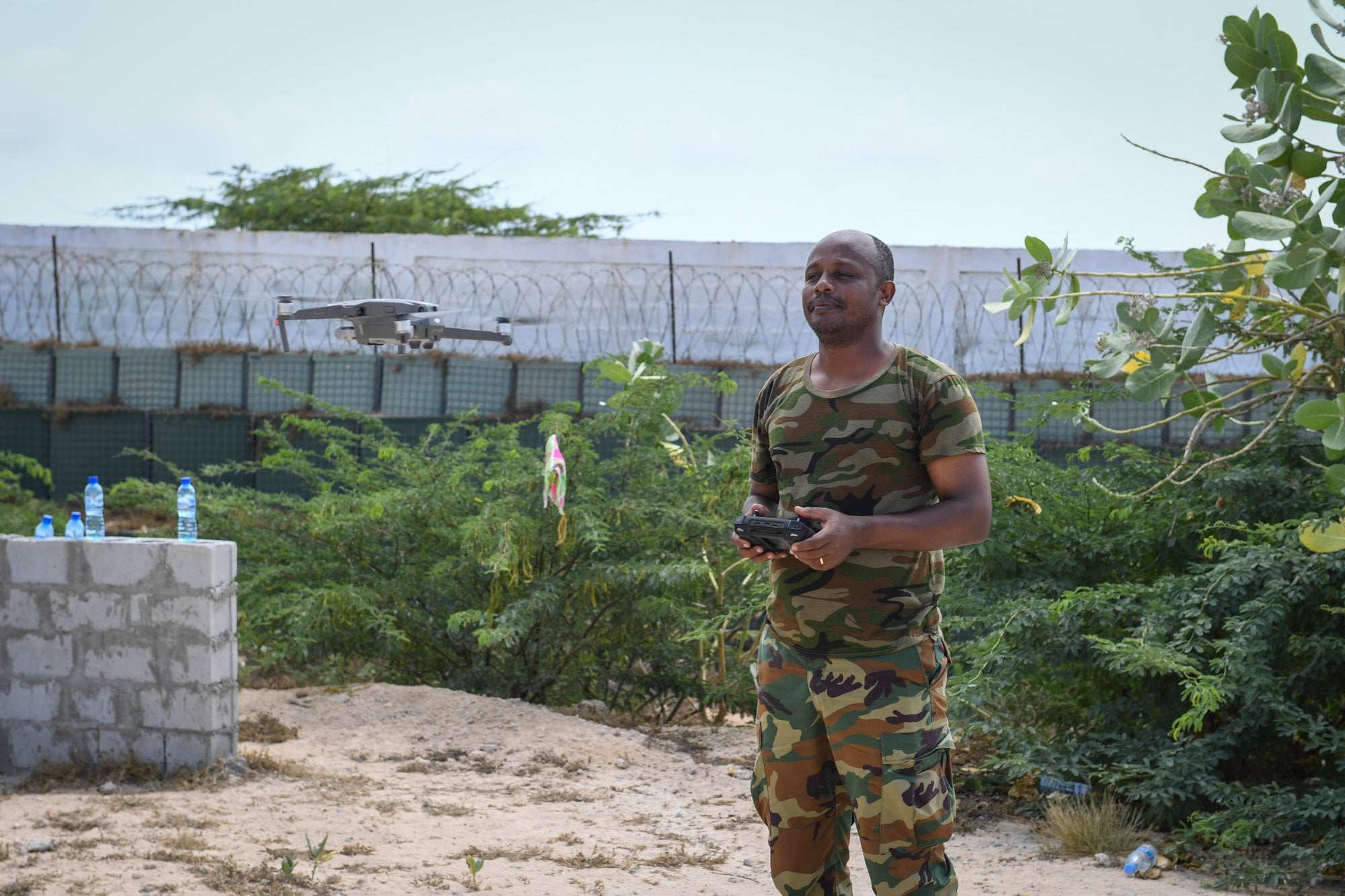
Two million dollars is a small sum in geopolitics, but for Guyana where it is spent matters more than how much. The United States is putting that amount into helping Guyana watch its own skies.
A modest investment loaded with strategic meaning as tensions with neighbouring Venezuela simmer.
What the US announced
The United States said it would provide US$2 million to strengthen Guyana’s air surveillance and drone capabilities. The aim is to help the small country monitor its airspace and develop unmanned-aircraft systems.
In short, it is about awareness: knowing what enters and moves through Guyanese skies.
The meeting behind it
The announcement followed a high-level visit. US Deputy Secretary of State Christopher Landau met President Irfaan Ali in Georgetown on August 11.
Meanwhile, Landau’s trip also took in Trinidad and Tobago, underscoring Washington’s regional focus. Such visits are how security relationships are cemented and funding is unveiled.
The uses for the money
The funding is explicitly linked to several security priorities. In addition, these include counternarcotics, border security and broader national defense.
For example, in a region where trafficking routes cross porous borders, air awareness is valuable.
The Venezuela shadow over Guyana
The strategic backdrop is impossible to ignore. Guyana and Venezuela are locked in a dispute over the Essequibo region.
Moreover, Caracas has revived old claims to territory that makes up much of Guyana. As a result, any US help to Guyana’s defenses is read, in part, through that lens.
Why airspace matters most
Of all the domains to watch, airspace is telling. Drones, aircraft and incursions all reveal intent.
Still, for a country with a long, thinly monitored frontier, seeing the sky is a force multiplier. Modern surveillance lets a small nation punch above its weight.
Building on an existing pact
This is not a one-off gesture. It builds on a US-Guyana security cooperation agreement signed in March 2025.
Since then, that framework has steadily deepened defense ties between the two countries. Overall, each new tranche of support tightens the relationship.
A small sum, a clear signal
The dollar figure is deliberately modest, but the message is not. Instead, Washington is signalling that it is paying attention to Guyana’s security.
In deterrence, being seen to care can matter as much as the hardware.
Guyana’s balancing act
Newly oil-rich, Guyana is courted by many and wary of over-reliance on any one partner. However, deeper US ties bring protection but also expectations.
As a result, Georgetown must weigh security benefits against strategic entanglement.
What to watch next
Watch whether US support scales up from this modest start. Meanwhile, the Essequibo dispute remains the wildcard that could accelerate cooperation.
For now, Guyana gains a sharper view of its own skies.
A frontier hard to watch
Guyana’s territory is vast, forested and thinly populated, a nightmare to monitor from the ground. By contrast, aircraft and drones can cover in hours what patrols would take weeks to reach.
That is why air-domain awareness is such a force multiplier for a small state.
Oil wealth raises the stakes
Guyana’s new oil riches have made it far more strategically important than its size suggests. Moreover, wealth attracts both investment and unwanted attention, from traffickers to a covetous neighbour.
As a result, protecting that wealth is now a national priority, and a shared interest with partners like the US.
The limits of US$2 million
It would be easy to oversell a two-million-dollar programme. On its own, it buys capability, not security.
However, real air defense would require far larger, sustained investment over years. This is a foundation and a signal, not a finished shield.
Frequently Asked Questions
What did the US fund?
US$2 million to strengthen Guyana’s air surveillance and drone capabilities, helping it monitor its airspace.
When was it announced?
After an August 11 meeting between US Deputy Secretary of State Christopher Landau and President Irfaan Ali in Georgetown.
What is it for?
Counternarcotics, border security and broader national-security priorities, all tied to air-domain awareness.
How does Venezuela factor in?
Guyana and Venezuela are locked in a dispute over the Essequibo region, so US support for Guyana’s defenses carries strategic weight.
Is this new cooperation?
No. It builds on a US-Guyana security cooperation agreement signed in March 2025.
Connected Coverage
Sources: US Embassy Georgetown; US State Department; Guyanese presidency.
This article was produced by The Rio Times’ automated newsroom system. How we use AI · Report an error
Read More from The Rio Times