US Keeps $25 Million Bounty on Cabello After Clearing Venezuela on Drugs
Key Facts
This story is part of our coverage of the Venezuela US tensions. Who runs Venezuela, the US sanctions and oil deals, the Maduro case and the odds are in our dossier.
Since Nicolás Maduro’s arrest in January, Washington has been rebuilding ties with the interim government in Caracas. It now says that thaw does not extend to one of Venezuela’s most powerful officials.
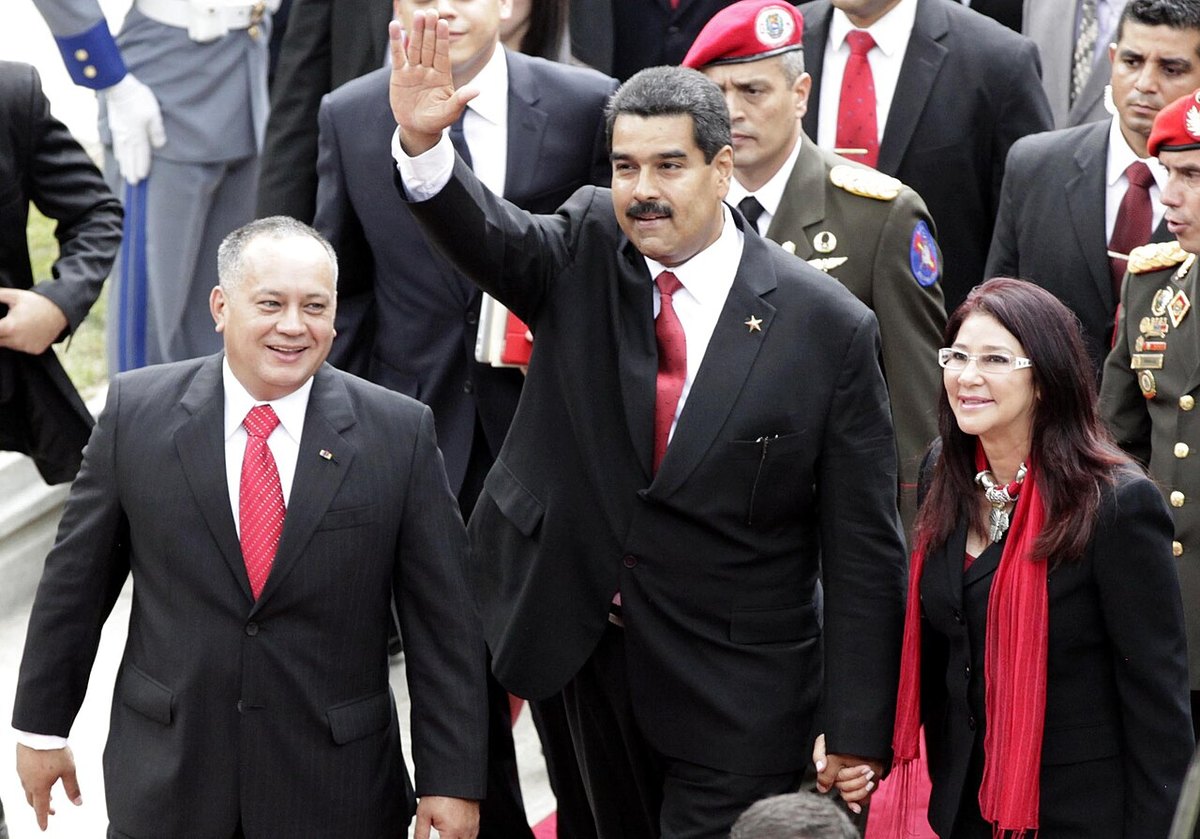
The US State Department told NTN24 on 17 September that reward offers for alleged Cartel de los Soles members remain active. That includes up to $25 million for Diosdado Cabello, Venezuela’s interior minister, El Colombiano reported on 18 September.
Why This Matters
Each September, the US president lists major drug-producing or transit countries and flags those that failed to cooperate. The duty comes from the Foreign Assistance Act of 1961 and a 2002 foreign relations authorisation law.
A failing label can cut most US aid and bring US opposition to multilateral loans for that country. The president signed the determination for fiscal year 2027 on 11 September, and it was released on 16 September.
This year’s list names 23 countries, from Afghanistan and China to Mexico, Peru and Venezuela. It removed Venezuela from the failing list, which still names Afghanistan, Bolivia, Burma and Colombia.
The State Department cited positive steps under the interim presidency of Delcy Rodríguez after Maduro’s arrest on 3 January. El Espectador, a Colombian daily, called it the first such certification of Venezuela in 21 years.
What Washington Said About Cabello
“Our assessment of the Cartel de los Soles has not changed and the reward offers remain in effect,” the department told NTN24. El Colombiano reported the department’s view that state cooperation does not cancel investigations against specific officials.
The US first offered up to $10 million for Cabello in March 2020 and raised it to $25 million in January 2025. He faces US charges including narco-terrorism conspiracy, cocaine importation and weapons offences, according to El Colombiano.
Washington also keeps a reward of up to $15 million for former defence minister Vladimir Padrino López. Neither man has been tried, and the charges remain allegations.
The line is not new, since Secretary of State Marco Rubio took the same position at the White House on 5 May. “US policy on this matter has not changed, and when it changes we will let you know,” Rubio said then.
Who Diosdado Cabello Is
Cabello, born in 1963, is a former army officer who led tanks against the presidential palace in Hugo Chávez’s failed 1992 coup. He spent two years in jail before President Rafael Caldera pardoned him.
He briefly served as vice president in 2002 and presided over the National Assembly from 2012 to 2016. He has been vice-president of the ruling PSUV, the United Socialist Party of Venezuela, since December 2011.
Maduro named him interior minister on 27 August 2024, a post that oversees domestic security and the police. The US Treasury sanctioned him, his wife and his brother in May 2018.
He also hosts a weekly state television show, Con el Mazo Dando, where he sets out government positions and answers opposition accusations. He kept his ministry after Maduro’s capture and still serves in the Rodríguez government, Yahoo Noticias reported in May.
The Cartel de los Soles Question
The name comes from the sun insignia on the uniforms of Venezuelan generals and first surfaced in a 1993 drug case. The 2020 US indictment alleged that Maduro and senior officials had led the group since at least 1999.
Cabello was among the 14 officials charged alongside Maduro, and his first reward was announced the same month. Maduro now faces those drug-trafficking and narco-terrorism charges in a federal court in New York.
The US Treasury listed it as a terrorist entity in July 2025, and the State Department followed in November 2025. That second designation, as a foreign terrorist organisation, took effect on 24 November 2025.
Independent experts have long argued that the name describes a system of corruption rather than a structured cartel. After Maduro’s capture, the revised US indictment dropped the description of it as a formal organisation.
Other Accusations Against Cabello
Chilean prosecutors accuse Cabello of arranging payment for the 2024 killing of Ronald Ojeda, a former Venezuelan army lieutenant. Regional prosecutor Héctor Barros called the motive political, El Nacional reported on 9 September.
He said the operation involved the Tren de Aragua, a criminal gang that originated in Venezuela. Ojeda was taken from his Santiago flat on 21 February 2024 by men posing as police, and later found dead.
Thirty-four members of the gang face trial in Chile, according to the same report. The report carried no response from Cabello, and the accusation has not been tested in court.
A Split Message to Caracas
The two decisions send different signals, one to the Venezuelan state and one to named officials. Certification rewards the interim government for cooperation, while the rewards keep pressure on alleged cartel leaders.
Cabello still serves as interior minister, one of the most senior security posts in Caracas. Washington thus certifies a government in which a man it wants arrested holds high office.
NTN24 said the department credited cooperation that included the elimination of Tren de Aragua leader alias Niño Guerrero. The determination itself credits the interim government with helping against cartels after Maduro’s removal.
El Espectador quoted analysts who said the certification rested on politics rather than on drug data. Colombia, a long-standing US partner on drugs, stayed decertified, though a waiver keeps US aid flowing.
What It Means If You Deal With Venezuela
For companies returning to Venezuela, certification removes one formal barrier but leaves individual sanctions on officials in place. Contact with Cabello or his ministry therefore remains a sanctions and reputational risk for foreign firms.
Banks and investors screening Venezuelan partners should treat his charges and the reward as fully in force. For Venezuelans, the message is that Washington’s deal with Caracas does not amount to an amnesty for senior officials.
For governments in the region, Chile’s case shows that accusations against Cabello now extend beyond US courts. Any shift in his status would most likely come through talks between Washington and Rodríguez, not through the drug report.
What Is Not Yet Known
The State Department has not said whether Cabello’s role in the interim government affects its talks with Caracas. It is also unclear whether Venezuela’s new status will change how Washington pursues the Cartel de los Soles case.
The reports reviewed carried no comment from Cabello on the reward statement. It is not known whether interim president Delcy Rodríguez will keep him in his post.
Frequently Asked Questions
Why does the reward for Cabello matter?
Washington has just cleared Venezuela’s government on drug control, yet still wants one of its most powerful ministers arrested. The split shows the limits of the thaw with Caracas.
Why did the US certify Venezuela on drugs?
The State Department cited positive steps under interim president Delcy Rodríguez since Maduro’s arrest in January. It removed Venezuela from the list of countries that failed demonstrably.
Is the reward for Diosdado Cabello still active?
Yes. The State Department says its offers for alleged Cartel de los Soles members stand, including up to $25 million for Cabello.
What is the Cartel de los Soles?
A US label for an alleged drug network of Venezuelan officials, named after generals’ sun insignia. Washington lists it as a terrorist organisation, while some experts dispute that it is a formal group.
Sources: El Colombiano, US keeps reward for Cabello, NTN24, State Department statement on rewards, Federal Register, FY2027 presidential determination text, The Rio Times, Colombia decertified and the waiver, El Espectador, why Venezuela and not Colombia, US State Department, FY2027 presidential determination, Yahoo Noticias, Rubio on the Cabello reward in May, Wikipedia, Diosdado Cabello’s career and sanctions, Wikipedia, the Cartel of the Suns and its designations, El Nacional, Chilean prosecutors on the Ojeda killing
This article was produced by The Rio Times’ automated newsroom system. How we use AI · Report an error · Editorial responsibility: Matthias Camenzind, Editor-in-Chief
Venezuela and the United States
- What Is Going On Between Venezuela and the United States?
- What Is Going On Between Venezuela and the United States?
- Venezuela Geopolitics Explained, US Now Runs Its Oil
- Venezuela Politics 2026, Who Holds Power After Maduro