Uruguay Central Bank Investigates Monex Exchange House Over Drug Money
URUGUAY · FINANCE
Key Facts
- —What happened On Tuesday 29 September 2026 the central bank’s financial intelligence unit opened an investigation into the exchange house Cambio Monex, Montevideo Portal reported.
- —Why Pablo Leiva, sentenced in September for laundering drug money, told police during a raid that he worked for Monex’s treasurer.
- —The first step The central bank sent Monex’s management a questionnaire on its operations, the sums it handled and the treasurer’s role, due this week.
- —Prosecutors Money-laundering prosecutor Enrique Rodríguez opened a separate case on 28 September and plans to hear the man Leiva called his boss.
- —Still open No charge against the treasurer or the company, and no sanction by the central bank, had been reported as of 30 September 2026.
The Uruguay central bank is questioning an exchange house whose treasurer, a convicted launderer told police, gave him his orders.
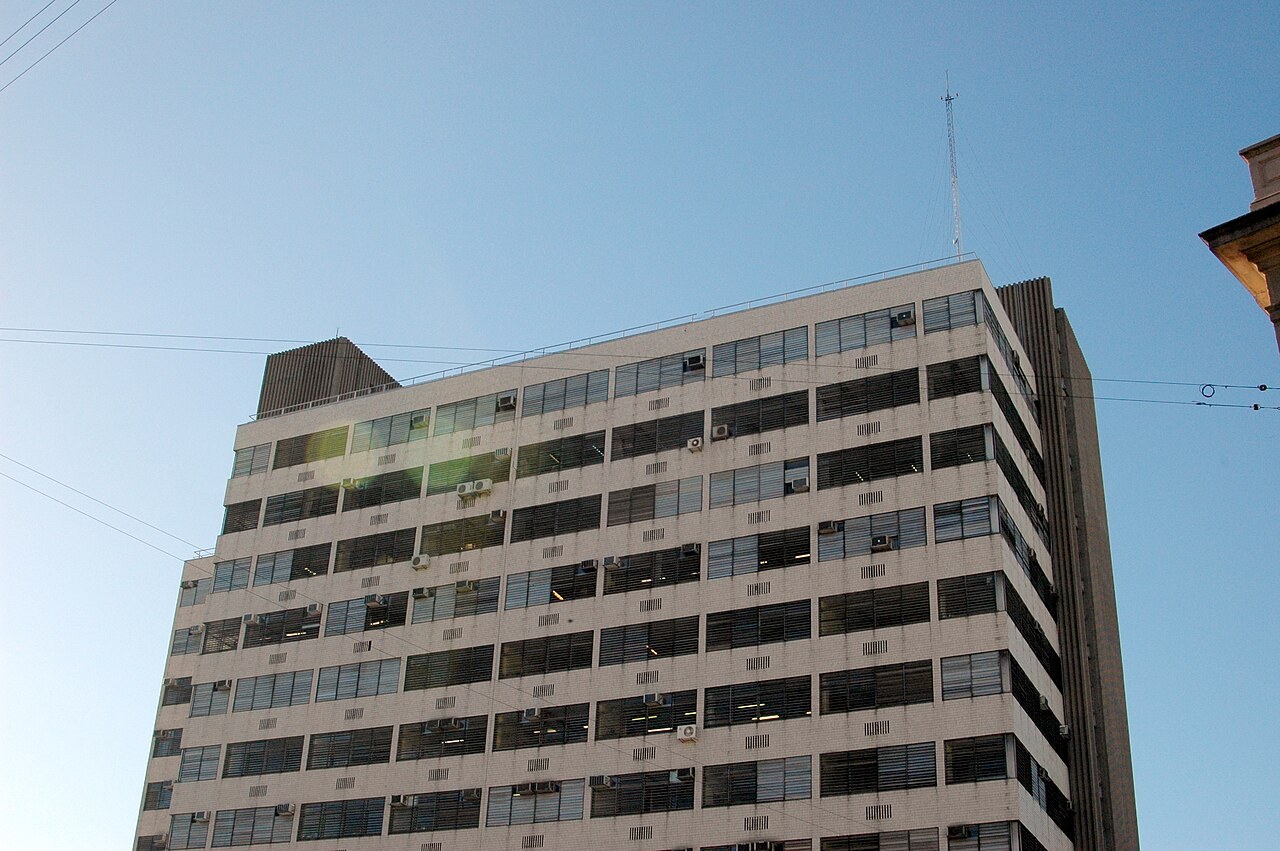
The Uruguay central bank has opened an investigation into Cambio Monex, a currency exchange house, over a drug-money case. Its financial intelligence unit acted on 29 September 2026, after a convicted launderer said he worked for the firm’s treasurer.
A questionnaire for Monex
The Banco Central del Uruguay (BCU) acts through its Unidad de Información y Análisis Financiero (UIAF). The UIAF is the country’s financial intelligence unit, which tracks suspicious money flows.
It sent a questionnaire to Monex’s management, which must reply this week. Journalist Eduardo Preve reported the step, and Montevideo Portal confirmed it.
The questions cover how the exchange house works, the sums it handled and the treasurer’s role, sources told Montevideo Portal.
Monex told the outlet that the employee asked for leave on the day Leiva was arrested. The company says it has had no contact with him since.
What Leiva told the police
Pablo Leiva was a paid aide to Gonzalo Gómez, a Montevideo city councillor for the opposition National Party. He was sentenced to two years and six months for laundering and trafficking ammunition. We covered it in our report on his conviction.
During the police search of his home, he said he worked for the man in charge of Monex’s treasury. “He gives me the work I do,” Leiva said, according to Montevideo Portal.
He asked the officers whether he could call that man to warn him. The officer refused and told him “not for now”, the outlet reported.
Prosecutors had already seen his phone before the arrest, and learned that he received orders from the treasurer. Leiva wrote those orders on paper, which police seized.
The money behind the case
The case grew out of Operation Trazador, an anti-drug operation in Montevideo. Police seized 265 kilos of drugs, 141 of them cocaine paste and 124 of cocaine, Montevideo Portal reported.
At a court hearing, prosecutor Agustina Santos said the drugs arrived from Paraguay in lorries. They were then sold in several districts of the capital.
On 16 September, she said, Henry Latorre, another member of the group, brought bags of cash to Leiva’s home. Leiva’s job was to move that money into the legal financial system.
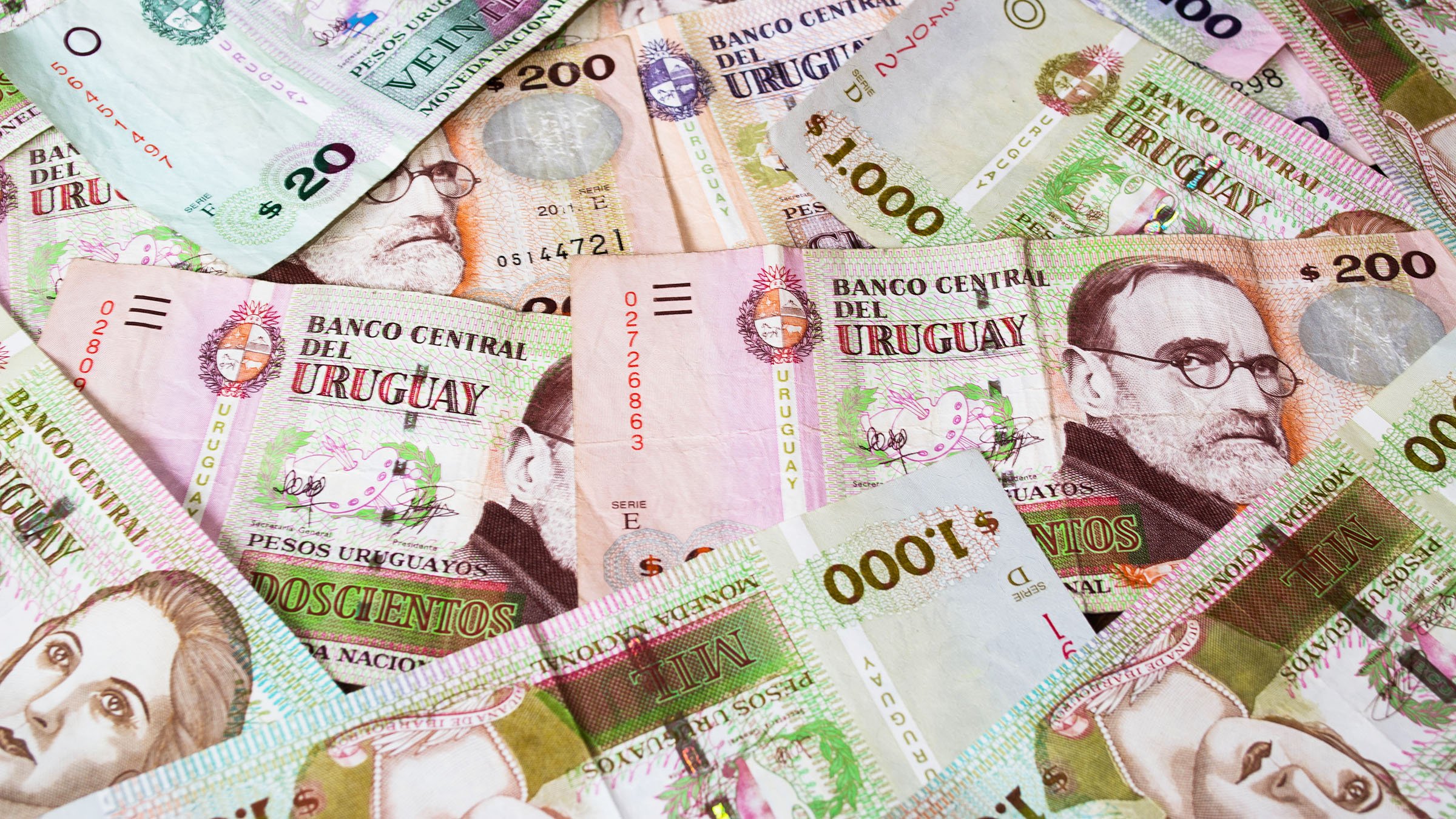
Police seized 2,980,240 pesos from his home and car, about US$74,000 at the central bank’s rate of 40.237 pesos per dollar on 29 September. They also took three notebooks of accounts.
Montevideo Portal named the supplier as Nicolás Suma, a Uruguayan criminal who lives in Paraguay. He sends cocaine shipments from there, the outlet reported.
A second track for prosecutors
The BCU inquiry runs alongside a criminal one. Enrique Rodríguez, the specialised money-laundering prosecutor, opened a new case on Monday 28 September. We reported it in an earlier story on the new laundering case.
Among the people due to give statements is the man Leiva described as his boss, Montevideo Portal reported. Rodríguez wants first to establish what role the treasurer played.
The picture of the company itself is less clear. Leiva told police he did not work for an exchange house but followed that person’s orders, the outlet reported.
It added that the laundering operation itself was not carried out inside the company.
How Uruguay watches exchange houses
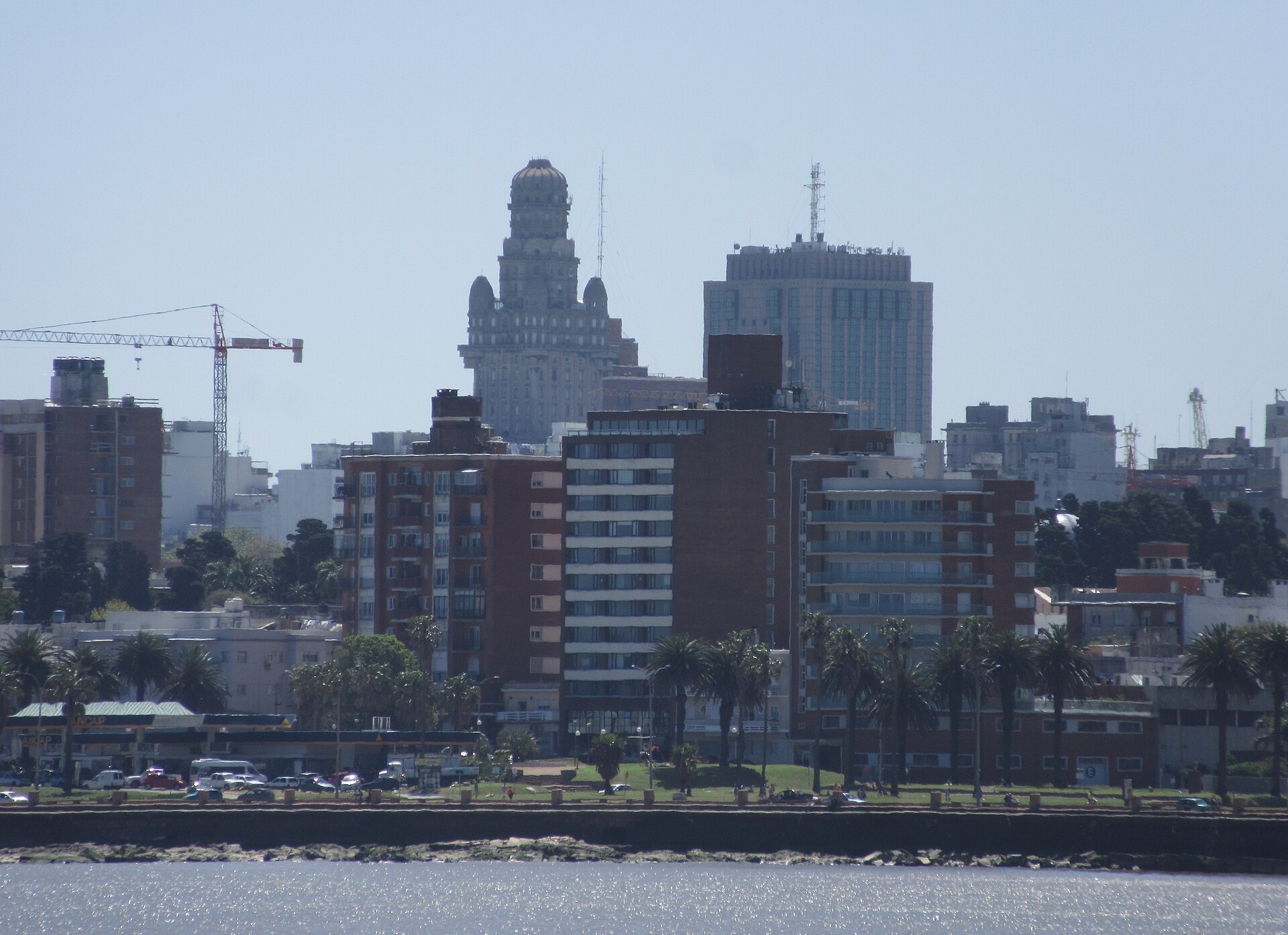
Exchange houses are firms that buy and sell foreign currency but are not banks. Under BCU rules they need prior authorisation from its financial services regulator before opening.
They must also run a system to prevent money laundering, with a compliance officer, and report suspicious transactions. The UIAF supervises them through one of its four units.
The unit was created by the BCU board in December 2000. Laws passed since then, including one in 2017, widened its powers.
It can demand information from any business obliged to report, even one the BCU does not supervise. It can also order supervised firms to halt a suspicious operation for up to 72 hours.
What it means for residents and investors
Uruguay has long presented itself as a stable financial centre for the region. Cases like this one test whether its controls reach small cash businesses as well as banks.
So far the system has moved quickly: a conviction within days, a new prosecution file and now a regulatory inquiry. None of these steps has yet produced a finding against Monex.
No sanction against the company and no charge against the treasurer had been reported as of 30 September 2026. It is not known how much money passed through the treasurer’s hands.
Monex’s answers and the statements before the prosecutor will show how far the case reaches into the formal financial system.
More: Uruguay news, every day from The Rio Times.
Frequently Asked Questions
What is the Uruguay central bank investigating?
Its financial intelligence unit, the UIAF, is examining the exchange house Cambio Monex. It wants to know how the firm operates, what sums it handled and what role its treasurer played.
Why is Monex involved?
Pablo Leiva, sentenced in September for laundering drug money, told police he worked for the Monex treasurer. Prosecutors say he received and wrote down that man’s orders.
Has anyone at Monex been charged?
No charge against the treasurer or the company had been reported as of 30 September 2026. Monex says the employee took leave the day Leiva was arrested and has not been in contact since.
Sources: Montevideo Portal, 29 September 2026 · Montevideo Portal, 28 September 2026 · Montevideo Portal, 24 September 2026 · Montevideo Portal, 22 September 2026 · Montevideo Portal, 29 September 2026 (supplier) · Banco Central del Uruguay, UIAF · Banco Central del Uruguay, rules for exchange houses · Banco Central del Uruguay, exchange rates
LatAm Markets: Live Signals → — real-time movers, turnover leaders and FX across Latin America.
Read More from The Rio Times