Uruguay Beef Exports Hit by New China Suspension
Uruguay · Business
Key Facts
- —China suspended beef imports from Frigorífico Tacuarembó S.A. on 6 August 2026.
- —The suspension follows a second detection of imidocarb residues above the allowed limit.
- —Imidocarb is a veterinary drug used against bovine trypanosomiasis, a cattle disease.
- —China’s GACC flagged an earlier imidocarb case on 19 May 2026.
- —China took 42% of Uruguay’s beef export value in 2024 and 36% in H1 2025.
- —Uruguay’s beef exports to China reached about US$862.8 million by end-November 2025.
- —Uruguay’s total beef exports were US$2.68 billion in 2025, with 25 plants certified for China.
China halted imports from a major Uruguayan plant after a second drug residue finding. Here is what it means.
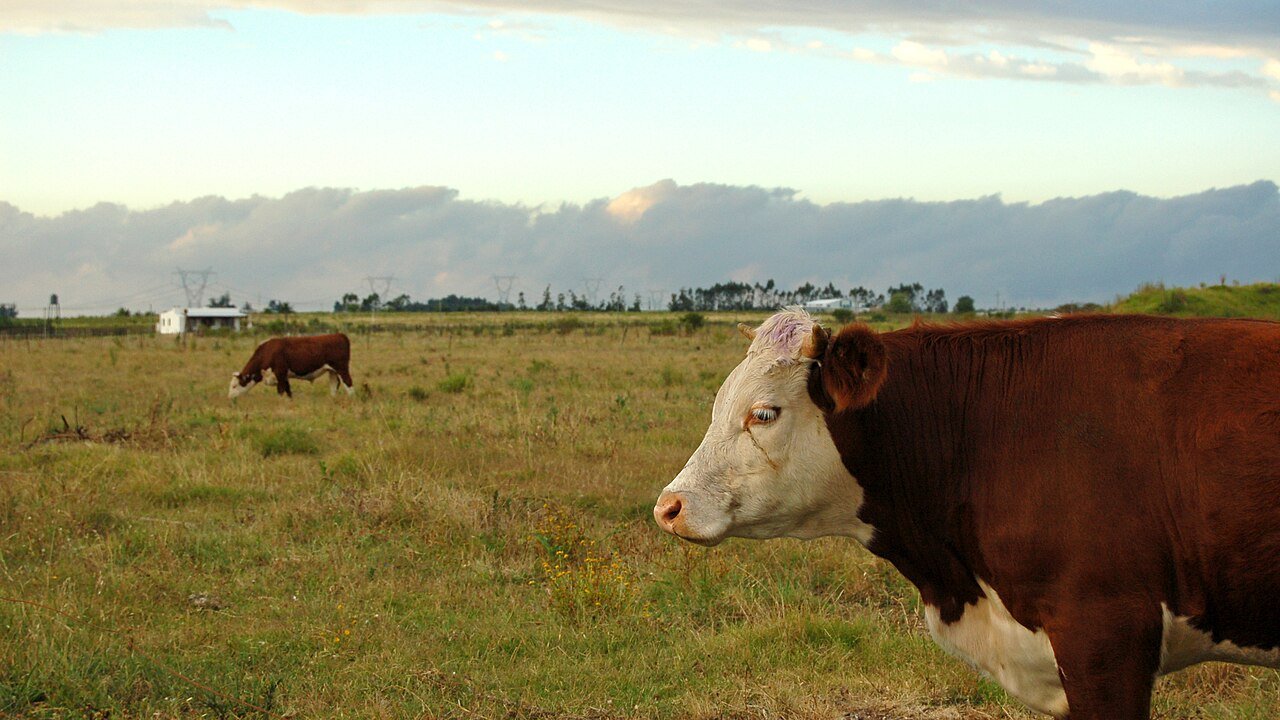
Uruguay beef exports face a new hurdle after China suspended a major plant. The suspension began Thursday 6 August 2026.
Hitting Frigorífico Tacuarembó S.A. This is the second imidocarb residue case for the plant in 2026. You should know how this affects trade and what comes next.
What China Suspended and Why
China suspended beef imports from Frigorífico Tacuarembó S.A. on 6 August 2026. The plant is located in Tacuarembó, Uruguay, and is known as plant No 12.
This action came from China’s sanitary authorities, according to MGAP. It follows a second detection of imidocarb residues above the allowed limit.
The earlier imidocarb case was flagged by GACC on 19 May 2026. You should note this is a repeat issue for the same establishment.
Suspensions like this are serious for exporters. They stop all shipments to China until the problem is resolved.
The Residue Behind the Ban
Imidocarb is a veterinary drug used against bovine trypanosomiasis. This disease is also known as ‘tristeza bovina’ in Spanish.
The drug treats a cattle illness spread by ticks. You might hear it called an antiprotozoal agent.
China sets a maximum residue limit, or MRL, for imidocarb in beef. The plant exceeded this limit twice, triggering the ban.
Residue limits protect consumers from potential health risks. You should understand that even small exceedances can halt trade.
Why Uruguay Beef Exports Lean on China
Uruguay beef exports depend heavily on the Chinese market. China took 42% of Uruguay’s beef export value in 2024.
That share fell to 36% in the first half of 2025, per USDA FAS. You can see the trend is still significant.
Uruguay’s beef exports to China reached about US$862.8 million by end-November 2025. Total beef exports were US$2.68 billion in 2025.
This means China is a top buyer, not a minor partner. Any suspension affects overall revenue and producer confidence.
Tacuarembó, Uruguay’s Biggest Plant
Frigorífico Tacuarembó S.A. is described as Uruguay’s largest meat plant. El Pais and RealEstate-in-Uruguay both support this claim.
The plant is owned by Marfrig, a global meat company. It underwent expansion to become the largest industrial facility.
Being the biggest means high production volumes and many jobs. You can imagine the local impact of this suspension.
The plant’s size also raises stakes for trade relations. A halt here sends a strong signal to other exporters.
How Montevideo Responded
Uruguay’s agriculture ministry, MGAP, said it will investigate the episode’s origin. They also plan to reinforce controls across the chain.
This response aims to prevent future residue issues. You should expect stricter testing at farms and plants.
The government is working to restore confidence with China. They need to show the problem is under control.
No named quotes from INAC or industry officials were available. The focus is on MGAP’s official statement.
What It Means for Producers and Buyers
Producers at Tacuarembó face halted shipments and potential revenue loss. You might see short-term price pressure on Uruguayan beef.
Buyers in China will look for alternative suppliers. This could shift some trade to other countries like Brazil or Argentina.
The suspension may also affect Uruguay’s reputation as a reliable exporter. You should watch for future inspections and audits.
For now, 25 Uruguayan plants remain certified for China. But this case shows how fragile market access can be.
What Investors and Traders Should Watch
Watch how fast Uruguay resolves the imidocarb issue, as suspensions are usually lifted after plant fixes and audits. Historical patterns suggest a few weeks to months, depending on Chinese inspections.
Monitor price movements in beef futures and export contracts, as China’s reduced share could pressure prices. A prolonged ban on a major plant would tighten supply and potentially raise costs for other buyers.
Track MGAP’s investigation and any new residue testing protocols, which could affect all 25 certified plants. Stricter controls may slow export volumes but improve long-term market stability.
Expect China to remain a key buyer despite the dip, given its demand for Uruguayan beef. Traders should hedge against volatility by diversifying destinations and staying alert to policy shifts.
More: Uruguay news in English, every day from The Rio Times.
Frequently Asked Questions
What exactly did China suspend?
China suspended beef imports from Frigorífico Tacuarembó S.A., a major Uruguayan plant. The suspension began on 6 August 2026.
Why was imidocarb found in the beef?
Imidocarb is a veterinary drug used to treat bovine trypanosomiasis. It was found above the allowed limit in two separate cases.
How much does Uruguay export beef to China?
Uruguay’s beef exports to China were about US$862.8 million by end-November 2025. China took 36% of export value in H1 2025.
What happens next for the plant?
MGAP will investigate and reinforce controls across the chain. The plant must fix residue issues before exports can resume.
Connected Coverage
Sources: Uruguay’s MGAP; El País (Uruguay); USDA Foreign Agricultural Service; Uruguay XXI; La Diaria; CGTN.
This article was produced by The Rio Times’ automated newsroom system. How we use AI · Report an error
Read More from The Rio Times