Uruguay Bañados de Carrasco: $1.25 Billion Real-Estate Plan
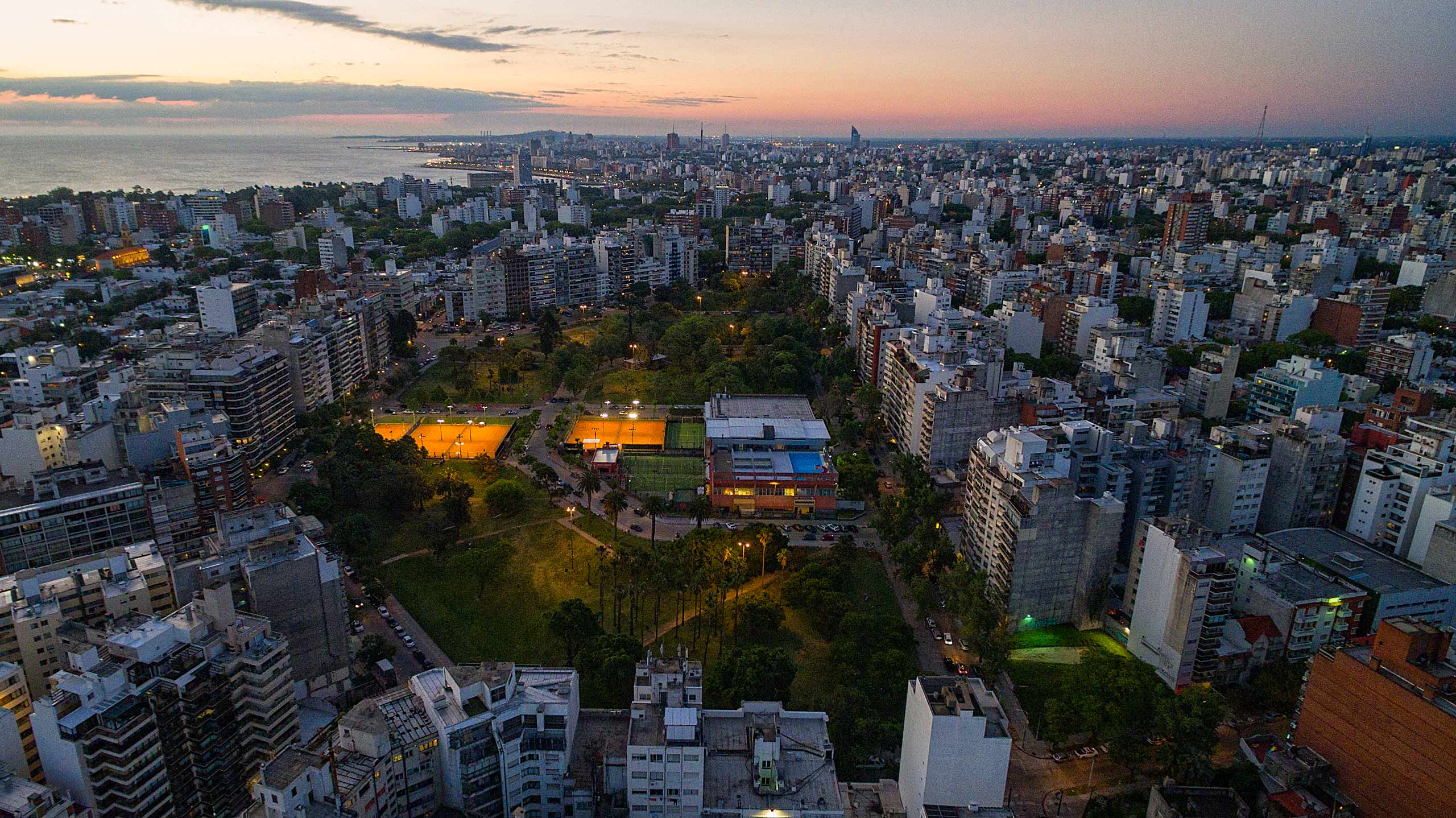
Uruguay · Business
Key Facts
—Total investment US$1.248 billion over a 15-year timeline
—Developers Bislun S.A., involving Argentine developer Eduardo Costantini (Consultatio) and Uruguayan partners
—Location and size 226-228 hectares in the Bañados de Carrasco wetlands, northeastern edge of Montevideo
—Project scope Approximately 3,000 residential units, plus commercial, office, educational, and recreational spaces, and a metropolitan eco-park
—Current status Pending municipal declaration of interest, land-use reclassification from rural natural to urban, and environmental authorization
A proposed real-estate megaproject in the Uruguay Banados de Carrasco wetlands is emerging as a defining test of how the country balances record foreign investment with environmental stewardship. The US$1.248 billion plan, backed by Argentine developer Eduardo Costantini, aims to build a new urban district with roughly 3,000 homes on the northeastern edge of Montevideo, but it must first navigate a complex approval process and mounting criticism from environmentalists.
Uruguay Banados de Carrasco: A New Urban District
The initiative, led by the firm Bislun S.A., envisions transforming between 226 and 228 hectares of the Bañados de Carrasco into a mixed-use community. The project is not a logistics hub or industrial park, but a large-scale urban development that would include residential units, commercial premises, offices, educational facilities, and recreational areas.
Central to the proposal is the creation of an “ecoparque metropolitano,” a metropolitan park designed to serve as a green buffer. The developers, who include Argentine real-estate magnate Eduardo Costantini through his firm Consultatio alongside Uruguayan partners, plan to concentrate construction away from the most sensitive ecological zones. The total investment is projected at US$1.248 billion, spread over a 15-year construction timeline.
The Environmental Crossroads
The Bañados de Carrasco is a recognized wetland system that plays a critical role in flood control, biodiversity, and the ecological balance of metropolitan Montevideo. This has placed the project at the center of a heated environmental debate. Critics argue that introducing large-scale urban infrastructure into a wetland could irreversibly damage these natural functions.
The developers have attempted to address these concerns by incorporating green corridors and the eco-park into the master plan. However, the project still faces intense scrutiny precisely because it is proposed inside a protected wetland system. The discussion has drawn in municipal officials, the Ministry of Environment, and various political factions, with some groups, including the Movimiento de Participación Popular (MPP) and the Communist Party, expressing reservations during early council debates.
The Path to Approval
Before any construction can begin, the project must clear a multi-stage regulatory gauntlet. The land is currently classified as “rural natural” and is not enabled for urban development. The first formal step requires the Junta Departamental de Montevideo, the city’s legislative council, to declare the initiative of departmental interest.
Following that declaration, a Programa de Actuación Integrada (PAI) Complementario must be prepared. This integrated action program will require detailed environmental impact studies and direct involvement from Uruguay’s Ministry of Environment. The final indispensable step is the formal reclassification of the land from rural natural to urban. Only after these municipal and environmental authorizations are secured can the project proceed.
Investment Climate and Foreign Direct Investment
For foreign investors and expatriates, the sheer scale of the proposal signals strong external confidence in Uruguay’s stable legal framework and investment-grade status. A US$1.248 billion commitment places this development among the most prominent private urban-development foreign investments ever announced in the Montevideo metropolitan area.
Uruguay has long cultivated a reputation as a safe haven for capital in Latin America, backed by robust property rights and a history of honoring contracts. While the country regularly attracts significant foreign direct investment in agriculture, technology, and logistics, a real-estate venture of this magnitude in the capital region underscores a growing appetite for large-scale urban expansion. The project’s progression will be closely watched as a barometer of how efficiently Uruguay can process mega-projects that intersect with sensitive environmental policy.
What Comes Next
As of late June 2026, the project remains in the preliminary authorization stage. The municipal debate is ongoing, and no fixed date has been set for the critical land-use vote. The developers must still present comprehensive environmental studies that satisfy both local authorities and the national Ministry of Environment.
The outcome will likely set a precedent for future development in Montevideo’s peripheral ecosystems. For now, the Bañados de Carrasco project represents both a massive potential boost to the construction sector and a complex puzzle of urban planning, environmental law, and political negotiation. International observers and local stakeholders alike are waiting to see if the vision of a new urban district can coexist with the preservation of a vital wetland.
More: Uruguay news in English, every day from The Rio Times.
Frequently Asked Questions
What exactly is the Uruguay Bañados de Carrasco project?
It is a proposed US$1.248 billion urban real-estate development planned for the Bañados de Carrasco wetlands near Montevideo. The plan includes roughly 3,000 homes, commercial and office space, educational facilities, and a large metropolitan park, led by Bislun S.A. with Argentine developer Eduardo Costantini.
Why are environmentalists concerned about the Bañados de Carrasco development?
The project is located on a protected wetland that is crucial for flood control and biodiversity in metropolitan Montevideo. Critics fear that urban construction could disrupt the ecological balance, despite the developer’s plan to include green corridors and concentrate buildings away from the most sensitive areas.
What approvals are needed before construction can start?
The project requires three main approvals: a declaration of departmental interest from the Junta Departamental de Montevideo, the preparation of an integrated action program with environmental studies, and a formal reclassification of the land from rural natural to urban use. It has not yet received any of these authorizations.
Sources: Bislun S.A..
This article was produced by The Rio Times’ automated newsroom system. How we use AI · Report an error · Editorial responsibility: Matthias Camenzind, Editor-in-Chief