Unrest at the Core: A Day of Protests Shakes Israel’s Military Trust
On Monday, unusual tensions in Israel surged as ultranationalist politicians incited disruptive protests.
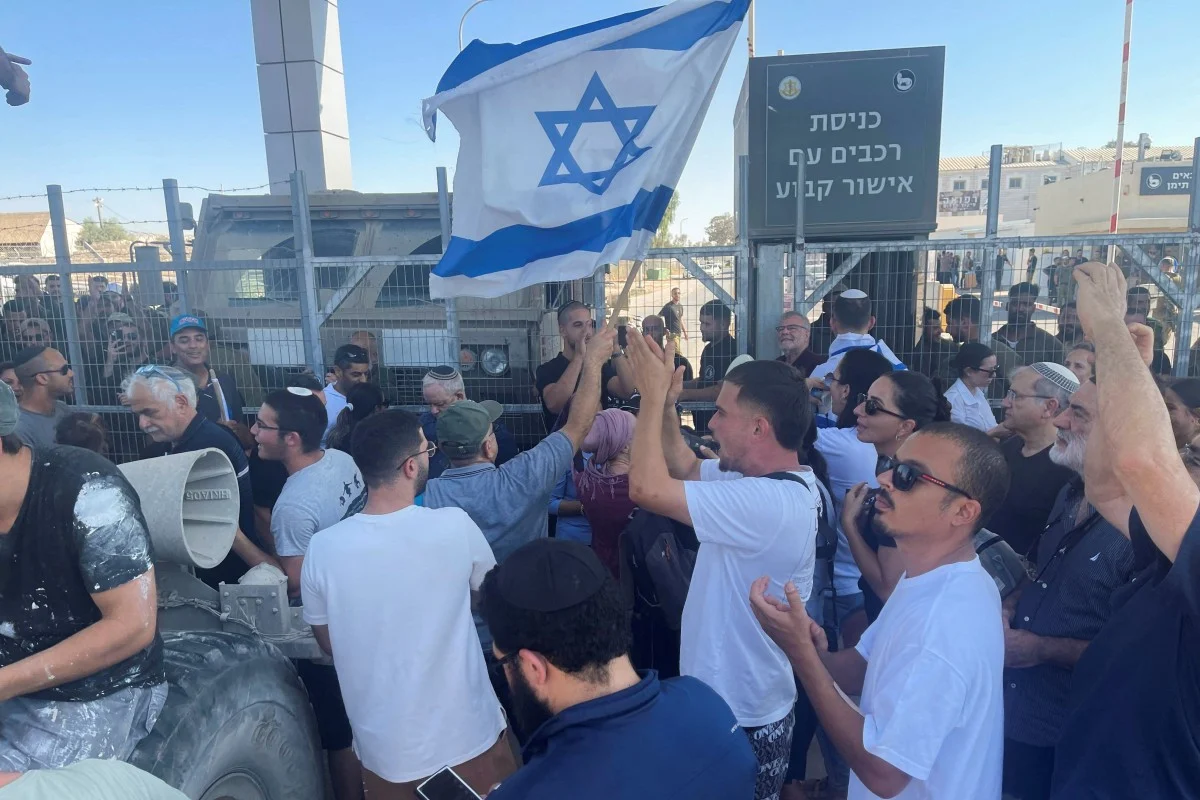
Demonstrators, including far-right lawmakers from Prime Minister Benjamin Netanyahu’s coalition, stormed two significant military sites.
This action intensified debates on military integrity and political leadership. The unrest started with a bold intrusion at Sde Teiman, a southern Israeli base.
Known for detaining Hamas militants linked to the October 7 attacks, this facility faced allegations of abusing a Palestinian detainee.
Protesters responded by breaching the base after nine reservists from the Force 100 unit were detained on charges of severe human rights abuses, including sexual assault.
As word spread, chaos ensued at Beit Lid, which houses the Israel Defense Forces’ military court and detention center.
Protesters, including some armed and masked, loudly expressed their dissent. They left the bases hours later, failing to free the detained reservists.
Prime Minister Netanyahu condemned the breaches and called for calm, stressing the situation’s severity amid ongoing Hamas attacks.
Defense Minister Yoav Gallant and Interior Minister Moshe Arbel uniquely denounced the attacks, marking a societal divide.
This unrest revealed deep societal divides and shifted military focus from external threats like Hezbollah to internal issues.
These events likely weakened Israel’s military readiness, indicating a troubling shift in national dynamics.
The day’s actions highlight growing tensions and their impact on Israel’s security and global relations.
This unrest serves as a clear reminder of ongoing challenges for Israel’s military and political systems in a conflict-ridden region.
Background
In Israel, the relationship between the military and the government has been historically complex, shaped by the ongoing conflicts and security needs of the region.
Recently, this relationship has come under strain, reflecting deeper issues of trust and strategy, especially concerning Gaza.
These tensions are not just routine disagreements but are emblematic of larger policy challenges.
The Israeli military’s spokesperson has openly doubted the feasibility of completely eliminating Hamas, describing such ambitions as unrealistic.
This stance starkly contrasts with Prime Minister Benjamin Netanyahu‘s assertion that military operations should aim for Hamas’ total destruction.
This article was produced by The Rio Times’ automated newsroom system. How we use AI · Report an error
Read More from The Rio Times