Trust Issues: The Growing Divide Between Israeli Forces and Government
In Israel, the relationship between the military and the government has been historically complex, shaped by the ongoing conflicts and security needs of the region.
Recently, this relationship has come under strain, reflecting deeper issues of trust and strategy, especially concerning Gaza.
These tensions are not just routine disagreements but are emblematic of larger policy challenges.
The Israeli military’s spokesperson has openly doubted the feasibility of completely eliminating Hamas, describing such ambitions as unrealistic.
This stance starkly contrasts with Prime Minister Benjamin Netanyahu‘s assertion that military operations should aim for Hamas’ total destruction.
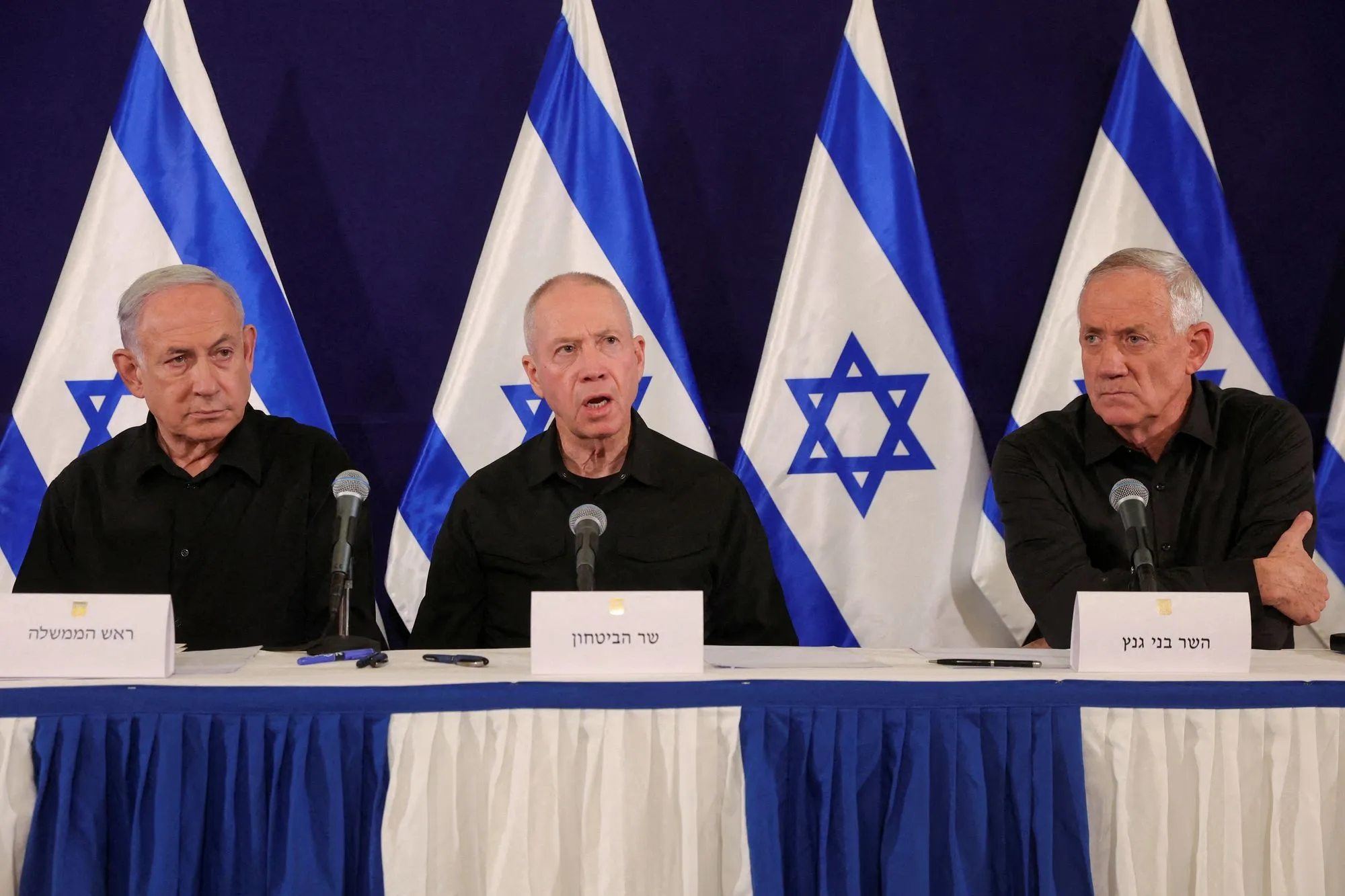
This fundamental disagreement has ignited a public debate and led to sharp exchanges.
Netanyahu’s criticism of a proposed temporary halt in military operations to allow humanitarian aid into Gaza has been particularly contentious.
This discord underscores a significant trust gap. The military questions the political directives it receives, while political leaders challenge the military’s alignment with broader government goals.
A retired general has spoken out about this eroding trust, pointing to a disconnect that influences both operational tactics and strategic goals.
Insights from Breaking the Silence
Further complicating the matter, groups like Breaking the Silence have highlighted the ethical dilemmas and realities of military engagement through their testimonies and reports.
These insights offer a contrasting view to the official narratives and emphasize the human costs of conflict, reflecting on the ethical implications of military strategies.
These internal conflicts within Israeli governance underscore the difficulties in maintaining a coherent and unified approach to security and diplomacy in the Palestinian territories.
The ongoing disputes raise critical questions about the potential for achieving lasting peace and security in the region.
They also mark a significant division in Israel’s approach to its security and diplomatic engagements.
This division highlights the challenges of Israeli policy. It also underscores the importance of reconciling military objectives with political goals for the sake of regional stability.
This article was produced by The Rio Times’ automated newsroom system. How we use AI · Report an error
Read More from The Rio Times