The Sudden Death of Ismail Haniyeh: Shifting Sands in Middle Eastern Politics
In the early hours of July 31, 2024, Ismail Haniyeh, the principal leader of Hamas, was confirmed dead in Tehran, Iran, by the Iranian Revolutionary Guard.
His death has sparked a whirlwind of speculation and intrigue, especially considering the fragile geopolitics of the Middle East.
Haniyeh, a key figure in the Palestinian resistance, died shortly after meeting Lebanon’s President Michel Aoun. This meeting took place on June 28, 2021.
This event has fueled rumors about possible retribution from Israel, following a devastating October 7 attack that Hamas orchestrated, killing 1,200 and kidnapping another 250.
The backdrop to Haniyeh’s leadership and his sudden death is as complex as it is critical. Haniyeh was born in the al-Shati refugee camp in Gaza to parents displaced during the 1948 Palestine war.
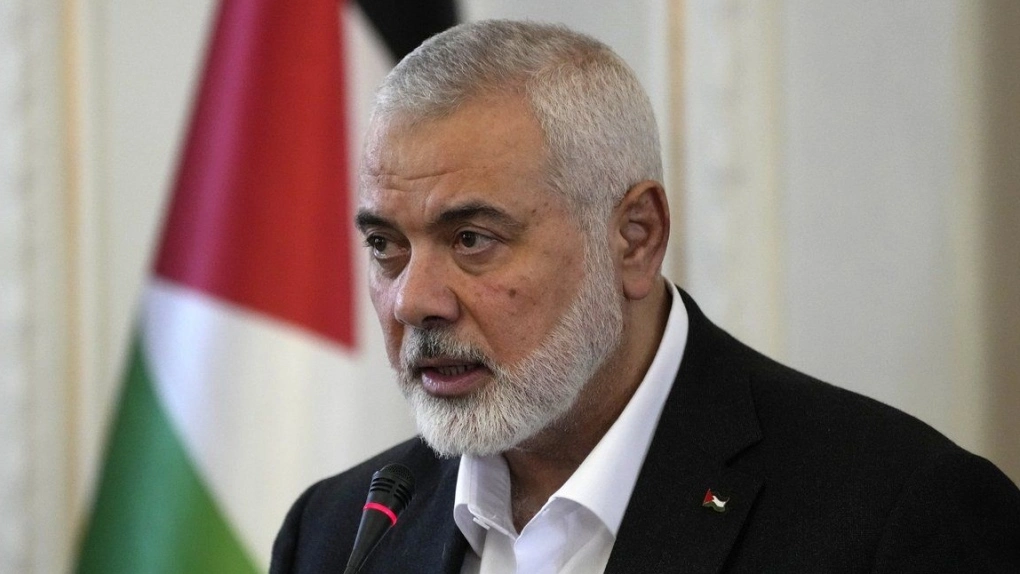
He rose through the ranks of Hamas during the First Intifada. His political journey included imprisonment and later leadership roles, firmly positioning him at the helm of Hamas‘s political bureau.
Haniyeh’s recent activities included significant diplomatic engagements, notably with Iran’s new president, Masoud Pezeshkian.
These meetings were crucial given the ongoing tensions and the delicate balance of power within Palestinian territories. They also played a significant role in the broader Israeli-Palestinian conflict.
His death does not merely mark the loss of a prominent Palestinian leader; it potentially alters the dynamics of the Middle Eastern political landscape.
With Haniyeh gone, the region might see shifts in approaches to Palestinian leadership. Additionally, strategies in the ongoing conflict with Israel could also change.
This scenario highlights the intricate interactions of global economic policies, investor sentiment, and market dynamics.
It underscores the broader impact of fiscal and monetary decisions on emerging market currencies.
This article was produced by The Rio Times’ automated newsroom system. How we use AI · Report an error
Read More from The Rio Times