Uganda Army Chief Backs Congo Rebel Push
One general’s post on X has turned a rebel advance on a shared lake into a test of Uganda’s role in Congo’s war.
Uganda’s army chief has said he approves of rebels taking a mining area in eastern Congo, and Congo has summoned Uganda’s top diplomat in Kinshasa, its capital, to protest. Gen. Muhoozi Kainerugaba, a son of President Yoweri Museveni, wrote on X, the social media platform, this week that the UPDF, the Uganda People’s Defence Force, “will not oppose” the rebels.
The rebels are the FRN, the Front for the Refoundation of the Nation, a movement tied to former Congolese president Joseph Kabila. Since Monday they have been fighting pro-government militias on the western shore of Lake Edward, which Uganda and Congo share, in Lubero territory, an area of North Kivu province in eastern Congo, and civilians are fleeing the fighting.
Key Facts
- Who. Gen. Muhoozi Kainerugaba, Uganda’s army chief, and the FRN rebels in eastern Congo.
- What. Muhoozi wrote that Uganda’s army will not oppose the FRN taking Walikale, a mining area.
- Where. Western shore of Lake Edward, Lubero territory, North Kivu province.
- Response. Congo summoned the head of Uganda’s mission in Kinshasa this week.
- As of. 26 November 2026, 12:30 GMT
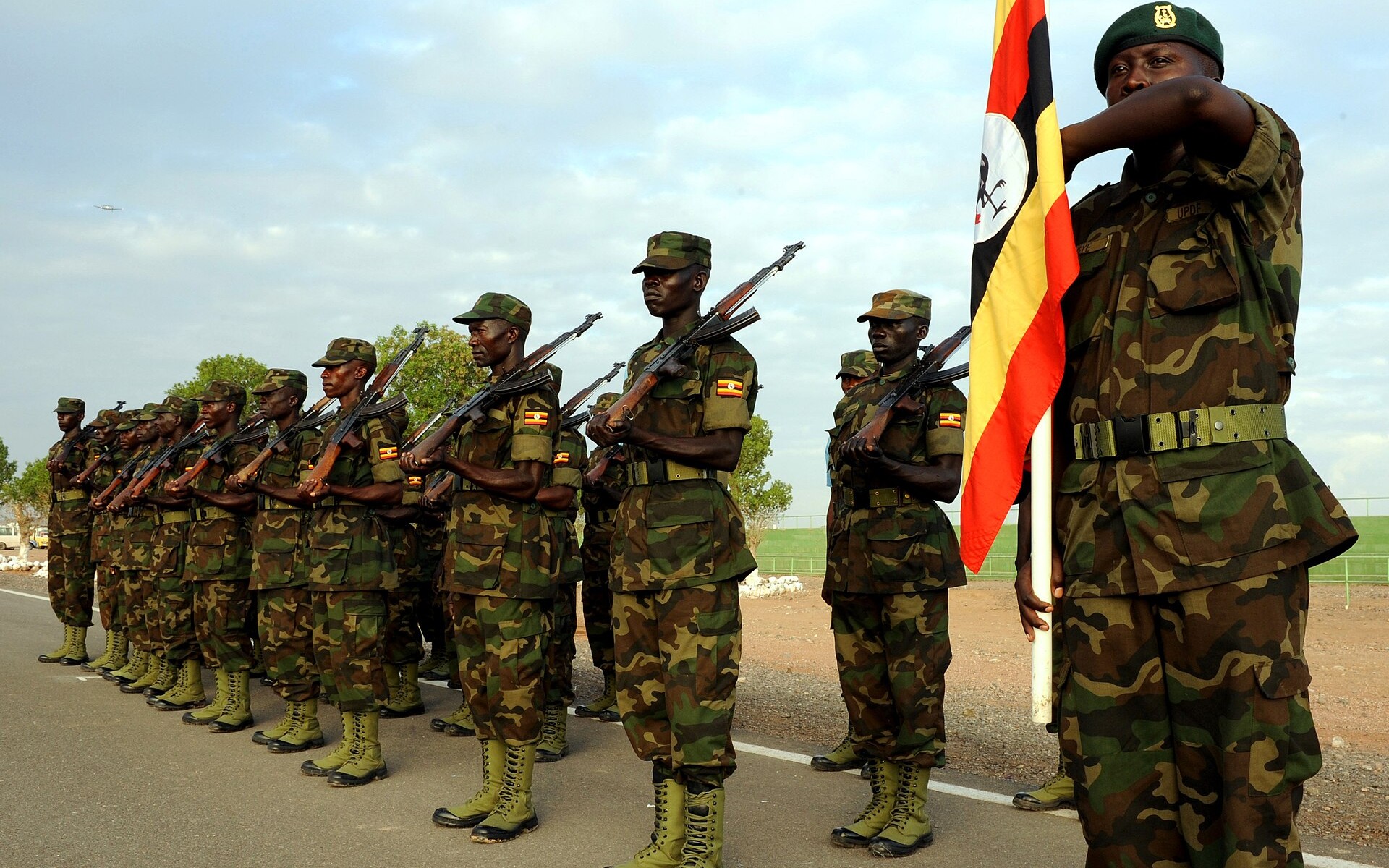
Conflict: Uganda and DR Congo
One general’s post on X has turned a rebel advance on a shared lake into a test of Uganda’s role in Congo’s war.
Kabila, who ruled Congo from 2001 to 2019, presented the FRN at a news conference in Goma, the capital of North Kivu, on Monday 12 October 2026 and said it aims to end what it calls tyranny, by force if needed. The movement unites him with leaders of the M23, the armed group that has held Goma since January 2025.
Congo and Rwanda signed the US-brokered Washington Accords, a peace deal for eastern Congo, on 4 December 2025, and the FRN was launched only in October 2026. So each new front tests the deal Washington brought, and Uganda is the neighbour with soldiers inside Congo.
Those soldiers have been in Congo since November 2021 to fight the Allied Democratic Forces (ADF), an armed group linked to Islamic State, under a joint campaign with Congo’s army called Operation Shujaa. Kampala, Uganda’s capital, and Kinshasa have thus been partners against one armed group, while Muhoozi now welcomes another.
Muhoozi posted a series of messages this week. The lines below are the part that drew the Congolese government’s protest.
“We are opposed to white mercenaries in the DRC. We have always been opposed to them. We approve the FRN’s capture of Walikale. UPDF will not oppose them.”
Gen. Muhoozi Kainerugaba, Uganda’s Chief of Defence Forces, on X, this week
He added that if the FRN “wastes time, we shall capture it ourselves”, and he spoke of the Bahema, a community near Walikale. He accused fighters linked to the FDLR, a Rwandan Hutu armed group, of killing Bahema there.
Congo’s foreign ministry summoned the head of Uganda’s mission this week. In its statement the ministry said the remarks had triggered “a major diplomatic and media incident” and that Congo is “equally determined to defend its dignity and institutions”.
In the reports we could find by Thursday 26 November, Uganda’s army and government had issued no statement, and no order sending Ugandan troops to join the FRN had been announced. The words quoted above name Walikale, not Lubero, and they do not on their own amount to a change of Ugandan policy.
On the ground, Col. Alain Kiwewa, administrator of Lubero territory, said on Wednesday 25 November that the rebels launched new attacks the previous morning on Wazalendo positions at Taliha, Kandole-Byanze and Kanzanza, “in violation of the ceasefire”, the truce between the government and the rebels. The Wazalendo are local pro-government militias, and the three places lie on the west shore of Lake Edward.
Muhindo Tafuteni, president of Lubero’s civil society, said Taliha appeared to have fallen under FRN control. Local sources say the rebels took Taliha, a lakeside fishing village, this week, after fighting that began on Monday 23 November.
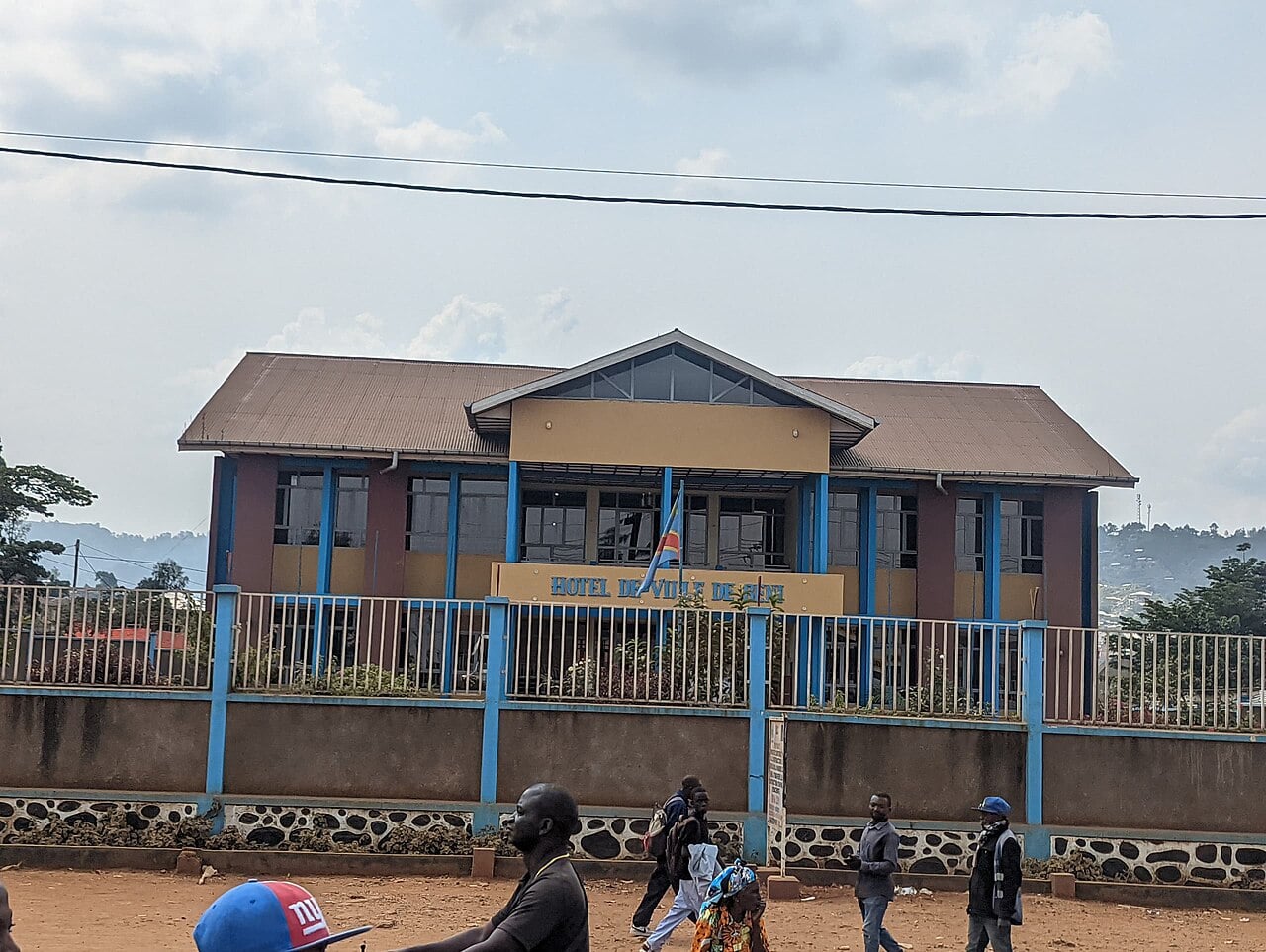
Local sources say the fighting opens the way towards Kipese, Lunyasenge and Kyavinyonge, a lake town in Beni territory. Kasindi, a border town with Uganda, lies on the roads out of the area.
Congo’s army has issued no statement on the fighting, and we could not confirm a reported counter-attack on Wednesday. How far Muhoozi’s words shape what Ugandan soldiers do next is the open point.
Frequently Asked Questions
What did Uganda’s army chief say about the Congo rebels?
He said on X that Uganda’s army would not oppose the FRN taking Walikale and that he approves of it. The posts are not a formal order, and Uganda’s government has not commented.
Why did Congo summon Uganda’s envoy?
Congo’s foreign ministry said the remarks caused a major diplomatic incident. It says it will defend its dignity and institutions.
Where is the fighting taking place?
It is on the western shore of Lake Edward in Lubero territory, North Kivu. Civilians are fleeing the fighting.
Sources: Posts by Gen. Muhoozi Kainerugaba on X (week of 23 November 2026); statement of the DR Congo foreign ministry (24 to 26 November 2026); Col. Alain Kiwewa, administrator of Lubero territory, and Muhindo Tafuteni, Lubero civil society (25 November 2026); local sources in Lubero territory (25 and 26 November 2026); FRN news conference, Goma (12 October 2026); Washington Accords (4 December 2025).
This article was produced by The Rio Times’ automated AI newsroom. Editorial responsibility: Matthias Camenzind, Publisher and Editor-in-Chief. The Rio Times also runs Ask Rio Times, which answers from 100,000+ of our own articles, the daily Latin America Power Map, and prediction-market odds on elections and markets.. How we use AI · Report an error
Connected Coverage
Uganda news · DR Congo news · the FRN offensive in South Kivu · fighting near Walikale · what the FRN is