Congo Ebola Outbreak Passes 11,500 Cases
Nearly half of those confirmed with Ebola in DR Congo have died, and the African Union's health agency says the outbreak is still not under control.

Health: DR Congo
A rare strain of Ebola with no approved vaccine is spreading through eastern and northern Congo, and almost half of those infected have died. The European Centre for Disease Prevention and Control (ECDC), the EU’s disease agency, said in its update of 19 November 2026 that DR Congo had 11,504 confirmed cases.
The same update, with data up to 16 November, counted 5,630 deaths. That means almost half of the confirmed cases ended in death.
Key Facts
- What. Bundibugyo virus, a rare Ebola species with no approved vaccine, first detected in May 2026.
- Numbers. 5,630 deaths among the confirmed cases, with data up to 16 November.
- Where. Eight provinces, led by Ituri in the north-east; cases also reported in Kenya and Nigeria.
- Prediction markets. Polymarket bettors put an Ebola pandemic in 2026 at about 1% (US$825,310 traded; 26 November, 5:54 a.m. US Eastern).
- As of. 26 November 2026, 11:13 GMT
Nearly half of those confirmed with Ebola in DR Congo have died, and the African Union’s health agency says the outbreak is still not under control.
The World Health Organization (WHO), the UN health agency, said in an outbreak notice with data to 23 September that the outbreak was first detected in May 2026. It is caused by Bundibugyo virus, a rarer Ebola species, and is the second documented Bundibugyo outbreak in DR Congo after 2012.
The same WHO notice calls it the largest Ebola outbreak ever recorded in DR Congo, whatever the virus species. It counted 7,890 confirmed cases and 3,799 deaths in seven provinces as of 23 September.
ECDC’s latest count shows about 3,600 more cases than WHO’s September count and an eighth province, with 68 of 178 health zones (local health districts) now affected. Ituri, the north-eastern province at the centre of the outbreak, has 7,911 cases and 3,738 deaths in 28 of its 36 health zones, ECDC said.
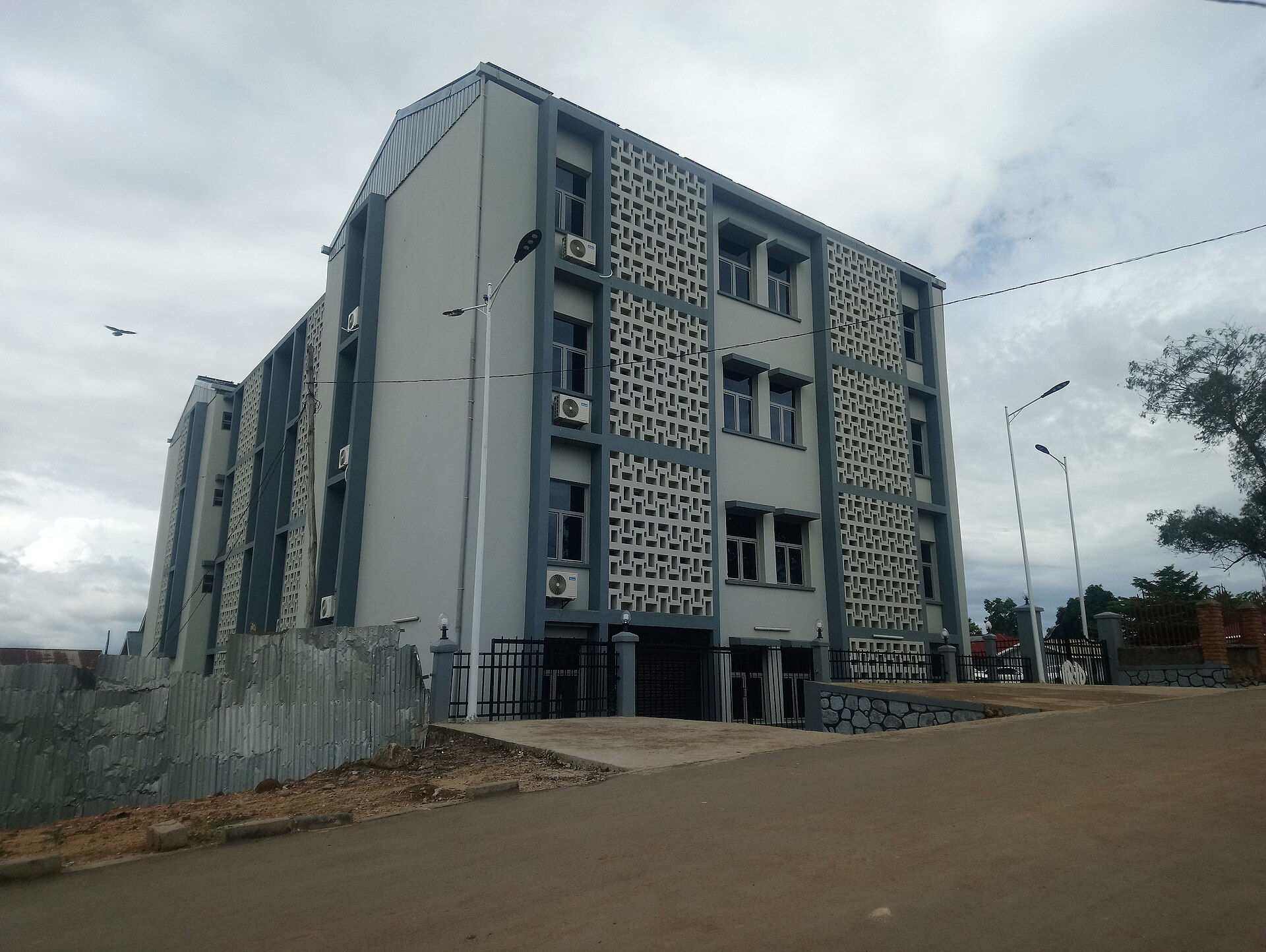
Nord-Kivu province has 2,925 cases and 1,623 deaths in the same ECDC update. The agency counted 128 more confirmed cases and 64 more deaths than in its previous update of 16 November.
ECDC said that 1,743 patients were in isolation in hospital, 3,142 had recovered and 81.6% of identified contacts were under follow-up. It cautions that Congolese data are still being reviewed, so totals can change.
Jean Kaseya, director-general of Africa CDC, the African Union’s public health agency, said on 15 November, in remarks published that day, that more than 80% of new cases appear outside contact lists. He added that over 65% of deaths occur in the community, outside health centres.
Speaking on Sunday 15 November, Kaseya said the outbreak is “still not under control”. He called coordination between Congo and donors “a collective failure”.
Bundibugyo has no approved vaccine or treatment, WHO and ECDC say. WHO’s notice also says deaths in communities and delays in finding patients keep transmission going.
UNICEF, the UN children’s agency, said on 13 November, in data as of 4 November relayed by ECDC, that 2,959 children were among confirmed cases, 28% of the total. It counted 1,737 child deaths, 35% of all deaths, and found that 72% of children under five with confirmed infection have died.
ECDC’s data to 17 November lists a cluster of nine cases in Kenya, including two deaths. The second death was reported on 23 October 2026.
ECDC also recorded one confirmed case in Nigeria on 20 October, a woman who travelled from Uganda to Nigeria’s capital Abuja via Addis Ababa. All 62 of her contacts completed 21-day quarantine by 13 November, ECDC said.
The US Centers for Disease Control and Prevention (CDC) lists a Level 4 travel health notice that says to avoid all travel to Ituri and Nord-Kivu, except for humanitarian aid or emergency response. The notice, last reviewed on 4 August, says people who were in DR Congo within 21 days of their flight, Americans included, will not be allowed to board commercial flights to the United States.
US citizens who were in Uganda or South Sudan, and not DR Congo, in the previous 21 days must enter through designated airports for enhanced screening, the CDC notice says. We have no verified information about any case in the United States.
We found no officially dated next step, such as a review of the travel limits, so we do not give one. ECDC’s next weekly count will show whether the outbreak is slowing.
Frequently Asked Questions
Is there a vaccine for this Ebola strain?
No approved vaccine or treatment exists for Bundibugyo virus, according to WHO and ECDC.
Can Americans travel to DR Congo?
The US CDC advises against all travel to Ituri and Nord-Kivu except for aid or emergency work. People who were in DR Congo within the previous three weeks cannot board commercial flights to the United States.
Is the outbreak under control?
Africa CDC’s Jean Kaseya said on 15 November that it is not. We found no official date for the next review.
More: DR Congo news in English, every day from The Rio Times.
Sources
ECDC update of 19 November 2026 (data up to 16 November, including UNICEF data as of 4 November); WHO Disease Outbreak News with data to 23 September 2026; Africa CDC remarks of 15 November 2026; US CDC travel health notice for Ituri and Nord-Kivu (last reviewed 4 August 2026); Polymarket, 26 November 2026.
This article was produced by The Rio Times’ automated AI newsroom. Editorial responsibility: Matthias Camenzind, Publisher and Editor-in-Chief. The Rio Times also runs Ask Rio Times, which answers from 100,000+ of our own articles, the daily Latin America Power Map, and prediction-market odds on elections and markets.. How we use AI · Report an error
Connected Coverage
DR Congo news · 7 in 10 Confirmed Under-Five Ebola Cases Die · Uganda Tightens Ebola Rules for Travellers