IBOV 166,191.45 ▼ 0.82% IPC MEX 71,087.56 ▲ 0.38% MERVAL 2,848,945 — — USD/BRL5.50▼ 0.03% USD/MXN18.75▼ 0.04% USD/CLP977.69▲ 1.16% USD/COP3,238▲ 0.33% USD/PEN3.44▼ 0.05% USD/ARS1,545▼ 0.03% USD/UYU40.22▲ 3.25% USD/PYG6,358▲ 8.23% USD/BOB11.92▲ 1.34% USD/DOP60.57▲ 0.45% USD/CRC449.63▲ 2.20% USD/GTQ7.64▲ 3.16% USD/HNL26.87▼ 0.09% USD/NIO36.62▲ 2.77% USD/VES892.65▼ 0.26% USD/PAB1.00— 0.00% USD/BZD2.00— 0.00% USD/JMD157.79▲ 2.77% USD/TTD6.64▲ 1.17% EUR/BRL6.16▲ 0.46% BRENT 99.38 ▲ 1.11% WTI 91.21 ▲ 0.76% IRON ORE 161.91 — — COPPER 6.20 ▼ 0.82% GOLD 4,056 ▼ 1.40% SILVER 51.35 ▼ 1.69% SOY 1,188 ▲ 0.61% CORN 440.75 ▲ 0.17% WHEAT 595.75 ▼ 0.58% COFFEE 277.40 ▼ 0.84% SUGAR 18.60 ▲ 0.70% ORANGE JUICE 136.15 ▲ 3.54% COTTON 78.45 ▲ 0.44% COCOA 5,290 ▼ 3.04% BEEF 214.48 ▼ 1.62% CATTLE 320.58 ▼ 3.45% LITHIUM 60.18 ▼ 2.75% PETR4 45.95 ▼ 2.48% VALE3 62.67 ▲ 0.51% ITUB4 39.97 ▲ 0.65% BBDC4 13.77 ▼ 2.06% ABEV3 15.48 ▲ 1.51% BBAS3 16.49 — 0.00% B3SA3 14.36 ▲ 0.42% WEGE3 48.30 ▼ 3.50% PRIO3 61.54 ▼ 0.97% SUZB3 52.29 ▼ 0.11% RENT3 29.07 ▼ 1.32% AZZA3 14.06 ▲ 0.64% CSAN3 2.50 ▲ 4.60% RAIZ4 27.57 ▲ 1.73% PCAR3 2.39 ▲ 3.91% GMAT3 3.71 ▲ 5.10% PSSA3 43.71 ▼ 2.63% CVCB3 0.82 ▲ 1.23% POSI3 3.11 ▼ 1.89% SLCE3 16.35 ▼ 1.51% NATU3 5.35 ▼ 1.29% BRKM5 3.03 ▼ 0.66% RANI3 8.46 ▼ 1.97% CSNA3 4.05 ▼ 0.74% IBOV 166,191.45 ▼ 0.82% IPC MEX 71,087.56 ▲ 0.38% MERVAL 2,848,945 — — USD/BRL 5.50 ▼ 0.03% USD/MXN 18.80 ▲ 0.25% USD/CLP 977.69 ▲ 1.16% USD/COP 3,226 ▼ 0.04% USD/PEN 3.44 ▼ 0.05% USD/ARS 1,545 ▼ 0.03% USD/UYU 40.22 ▲ 3.25% USD/PYG 6,358 ▲ 8.23% USD/BOB 11.92 ▲ 1.34% USD/DOP 60.57 ▲ 0.45% USD/CRC 449.63 ▲ 2.20% USD/GTQ 7.64 ▲ 3.24% USD/HNL 26.87 ▲ 3.22% USD/NIO 36.62 ▲ 2.77% USD/VES 892.65 ▼ 0.26% USD/PAB 1.00 — 0.00% USD/BZD 2.00 — 0.00% USD/JMD 157.79 ▲ 2.77% USD/TTD 6.64 ▲ 1.17% EUR/BRL 6.16 ▲ 0.61% BRENT 99.38 ▲ 1.11% WTI 91.21 ▲ 0.76% IRON ORE 161.91 — — COPPER 6.20 ▼ 0.82% GOLD 4,056 ▼ 1.40% SILVER 51.35 ▼ 1.69% SOY 1,188 ▲ 0.61% CORN 440.75 ▲ 0.17% WHEAT 595.75 ▼ 0.58% COFFEE 277.40 ▼ 0.84% SUGAR 18.60 ▲ 0.70% ORANGE JUICE 136.15 ▲ 3.54% COTTON 78.45 ▲ 0.44% COCOA 5,290 ▼ 3.04% BEEF 214.48 ▼ 1.62% CATTLE 320.58 ▼ 3.45% LITHIUM 60.18 ▼ 2.75% PETR4 45.95 ▼ 2.48% VALE3 62.67 ▲ 0.51% ITUB4 39.97 ▲ 0.65% BBDC4 13.77 ▼ 2.06% ABEV3 15.48 ▲ 1.51% BBAS3 16.49 — 0.00% B3SA3 14.36 ▲ 0.42% WEGE3 48.30 ▼ 3.50% PRIO3 61.54 ▼ 0.97% SUZB3 52.29 ▼ 0.11% RENT3 29.07 ▼ 1.32% AZZA3 14.06 ▲ 0.64% CSAN3 2.50 ▲ 4.60% RAIZ4 27.57 ▲ 1.73% PCAR3 2.39 ▲ 3.91% GMAT3 3.71 ▲ 5.10% PSSA3 43.71 ▼ 2.63% CVCB3 0.82 ▲ 1.23% POSI3 3.11 ▼ 1.89% SLCE3 16.35 ▼ 1.51% NATU3 5.35 ▼ 1.29% BRKM5 3.03 ▼ 0.66% RANI3 8.46 ▼ 1.97% CSNA3 4.05 ▼ 0.74%
since 2009
Friday, November 6, 2026

Uber Trips Generate 69 Percent More Pollution Than Other Public Transportation

By · February 27, 2020 · 3 min read

RIO DE JANEIRO, BRAZIL – Studies have already pointed out that App-based transport companies like Uber contribute to worsening traffic in cities.

Now, a new survey by the Union of Concerned Scientists (UCS) released on Tuesday, February 25th, addresses another issue: the pollution generated by vehicles. App-based trips emit an average of 69 percent more harmful gases than other means of transport, such as buses or bicycles, and are considered 47 percent worse for the environment than private cars, according to scientists.

Studies have already pointed out that App-based transport companies like Uber contribute to worsening traffic in cities.
RT
Ask Rio Times
17 years of Latin America reporting, on demand.
Open the full Ask Rio Times →

The increase in pollution occurs mainly due to deadheading, the name given to the times when the driver travels with no passengers in the car while waiting for a trip. In addition, App travel “doesn’t replace private car travel; instead, it’s increasing the total number of car trips,” the researchers say.

If transport Apps did not exist, “many passengers would take public transport, walk, cycle or give up the trip”. What about taxis? The study says most of the findings also apply to them – yet because taxis have been regulated by cities for decades, their negative effects are minimized by the limit on the number of cars and incentives for migration to hybrid vehicles.

And while the App vehicle fleets are usually newer than a private car and have more efficient engines, “the extra kilometers associated with deadheading result in higher emissions per trip”. As a result, based on the seven largest metropolitan areas in the United States, one App trip generates approximately 47 percent more pollution than a private car.

The LatAm Brief

One email, every weekday morning. What moved in Latin American markets, politics and expat life.

Yesterday’s subject line: “Brazil halts rate cuts at 13.75% after five in a row”

Free. We send a confirmation link first — nothing arrives until you click it. Unsubscribe with one click in any edition. If you stop opening us for 30 days we stop sending by ourselves, as we assume the interest is no longer there. See our privacy policy. We never share your email.

Shared trips and electric cars can reduce pollution

What’s the solution, then? One way out is to encourage the transition to electric cars and shared trip methods, such as Uber Together. Combined, these two measures could result in a 52 percent reduction in harmful gas emissions on average compared to a “replaced” trip – that which would be made by a private car, public transport or bicycle, for instance.
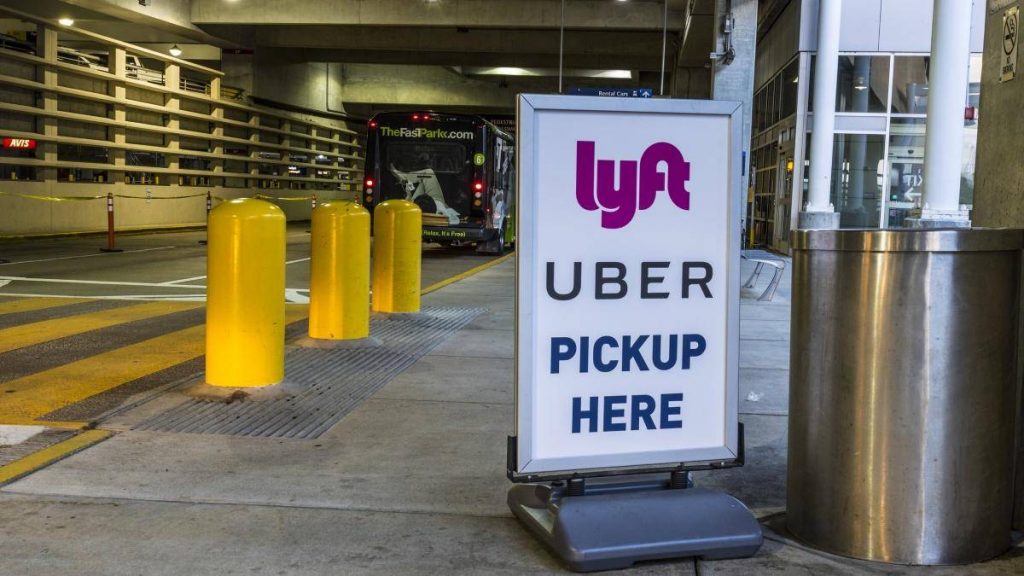
The increase in pollution occurs mainly due to deadheading, the name given to the times when the driver travels with no passengers in the car while waiting for a trip.

The survey mentions some promising avenues. In Chicago, for instance, a higher fare was approved for individual trips at rush hours, and a higher rate for out-of-town trips in areas less served by public transport. And in Denver, users may pay for bus or train fares through the Uber App.

The two largest App transport companies in the United States have commented. Uber says it will “continue to invest in products and advocate for policies that reduce car ownership, promote more shared travel, and support increased use of bikes, scooters, electric vehicles and public transport”.

Lyft says the study is making “misleading claims”. The company says it “encourages the use of shared trips, it was the first App transport company to include public transport information and last year it made one of the largest launches of electric vehicles in the country”.

This article was produced by The Rio Times’ automated newsroom system. How we use AI · Report an error · Editorial responsibility: Matthias Camenzind, Editor-in-Chief

Read More from The Rio Times

The Rio Times · Power Map
See who really holds power in Latin America
Click to open the Power Map →

Brazil runoff date: Sunday, October 25, poll closing times and when results start · Brazil runoff polls: Flávio 51%, Lula 49% · Kalshi and Polymarket odds

Rotate for Best Experience

This report is optimized for landscape viewing. Rotate your phone for the full experience.