The U.S. recently approved a deal for Argentina to buy 38 F-16 jets from Denmark. Now, Argentina must decide. The jets come with air-to-air missiles.
Mira Resnick, a U.S. official, said all barriers to this deal have been removed. This includes solving money issues.
She also said the U.S. offers a full package. This package has weapons, training, and spare parts for the jets.
Lieutenant Colonel Thomas Ksnewske detailed the package. It has AIM 9 and A120M missiles.
These are the U.S. Air Force’s main missiles. Ksnewske said these jets would help Argentina work better with neighboring countries.
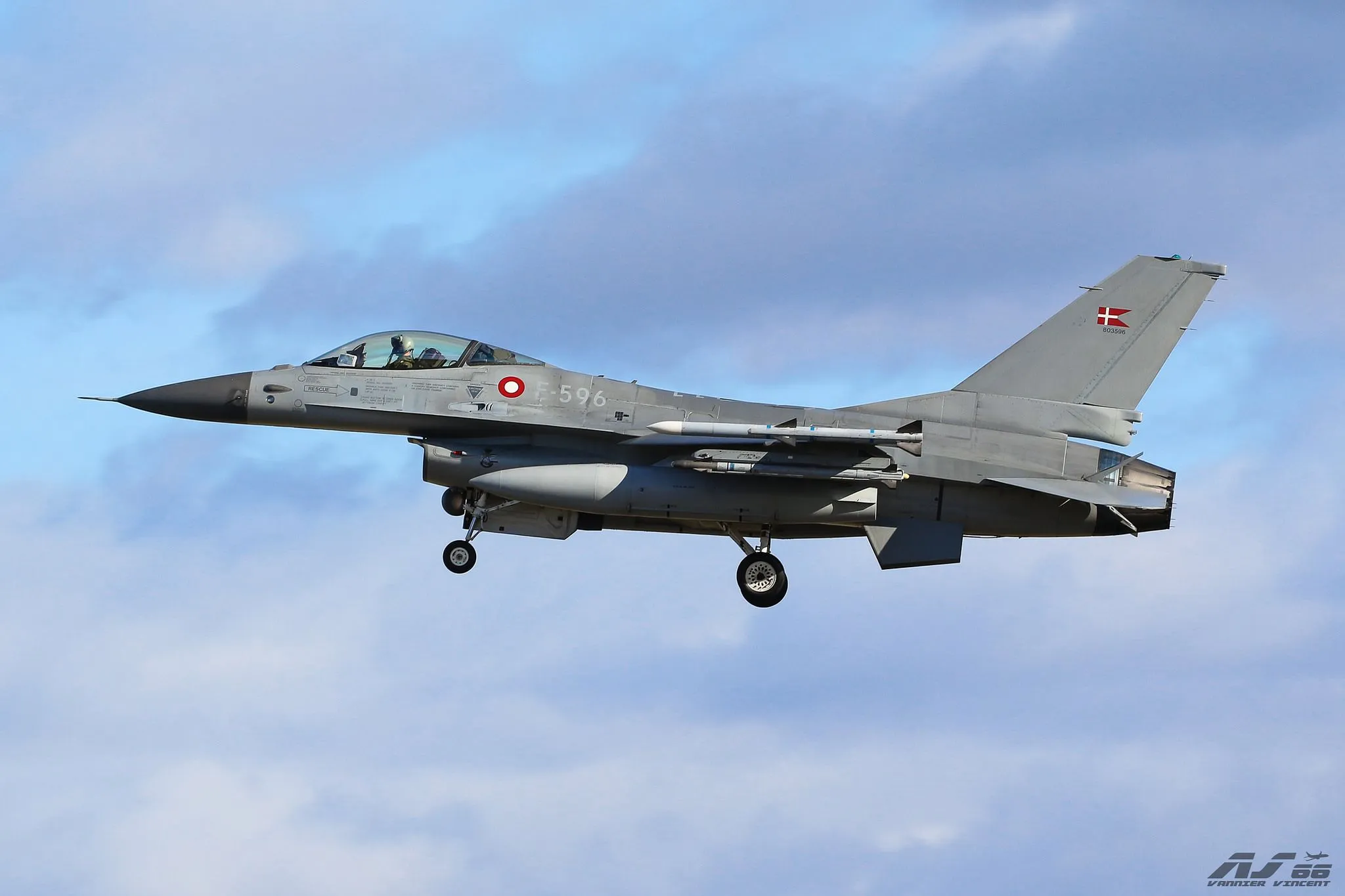
Chile, Brazil, and Colombia already use these jets. Argentina now faces a choice: Denmark’s F-16s or China’s offer.
Resnick said the U.S. thinks the F-16s are in its national interest. Also, they are looking at ways to help Argentina pay for it.
Both the U.S. State Department and Congress think this deal is essential. Resnick said they’re working on getting $40 million to help.
She believes this deal will strengthen U.S.-Argentina relations long-term.
Ksnewske also added that the F-16s are advanced and offer many benefits. They will help in joint training and sharing information.
U.S. officials think the Chinese jets won’t offer the same benefits. The F-16s will allow Argentina to do exercises with other regional countries, like Chile and Colombia.
Background
The F-16 deal comes at a time when Argentina aims to modernize its Air Force. Historically, Argentina has had a varied source of military aircraft.
They’ve bought from France, Israel, and the U.S. before. This potential shift leans more toward U.S. military hardware.
The deal also has geopolitical significance. Argentina’s choice between U.S. and Chinese jets could indicate its foreign policy direction.
The U.S. has traditionally been a major arms supplier in the Western Hemisphere. A deal would reinforce its role.
This is also a time when China is extending its influence in Latin America. So, Argentina’s choice could send a signal regionally.
It’s not just about jets; it’s also about international alliances and the balance of power.
This article was produced by The Rio Times’ automated newsroom system. How we use AI · Report an error · Editorial responsibility: Matthias Camenzind, Editor-in-Chief
Read More from The Rio Times