Trump Strikes Major Trade Deal with Vietnam, Raising Tariffs but Opening Markets
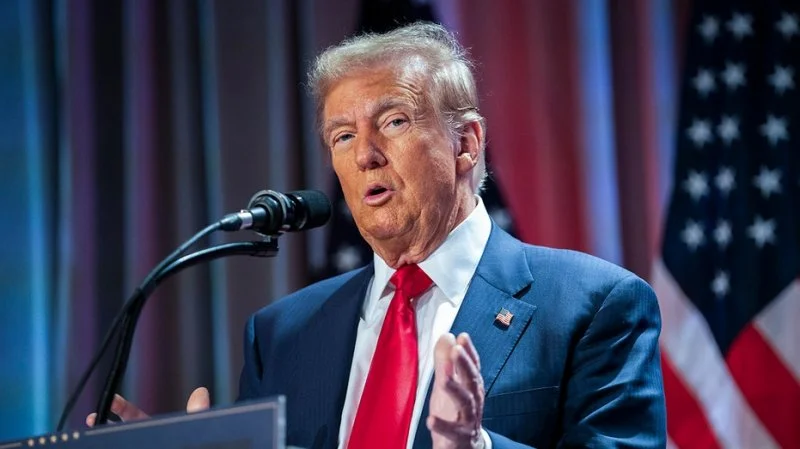
President Donald Trump has announced a new trade deal with Vietnam, just before higher tariffs on Vietnamese goods were set to take effect.
This agreement changes how much Vietnam pays to sell products in the United States and gives American companies better access to the Vietnamese market. Vietnam is a key supplier to the United States.
Last year, it sold $136.6 billion worth of goods to the U.S., including clothes, shoes, and electronics. In return, the U.S. sold only $13.1 billion to Vietnam. This big difference, called a trade deficit, has been a concern for the U.S. government.
Under the new deal, most Vietnamese products sent to the U.S. will face a 20% tariff. This is much higher than before. If a product comes from another country, like China, and is only slightly changed in Vietnam before being shipped to the U.S., it will face a 40% tariff.
This rule aims to stop companies from using Vietnam to avoid U.S. tariffs on Chinese goods. In exchange, Vietnam will remove all tariffs on American goods.
This means U.S. companies can sell their products in Vietnam without extra taxes. Vietnam also agreed to buy at least $2 billion in U.S. farm products, such as corn and soybeans, over the next three years.
Vietnam’s economy relies heavily on selling goods to the United States. Almost a third of its exports go to the U.S. Many big companies, like Nike and Gap, make their products in Vietnam.
These new tariffs could make Vietnamese goods more expensive in America, which might affect both Vietnamese workers and U.S. shoppers. The United States says Vietnam has sometimes helped Chinese companies avoid U.S. tariffs by shipping Chinese goods through Vietnam.
The new deal includes stricter checks to prevent this. For American businesses, the agreement opens the Vietnamese market more than ever before. For Vietnam, it avoids even higher tariffs but must now compete under new rules.
This deal shows how the U.S. is using tariffs to push for fairer trade and more American exports. It also highlights how global trade is changing, as countries and companies adjust to new policies and pressures.
All details and numbers in this story come from official government sources and public statements.
This article was produced by The Rio Times’ automated newsroom system. How we use AI · Report an error
Read More from The Rio Times