Trade Risks with U.S. Mount as Japan Loses Parliamentary Majority
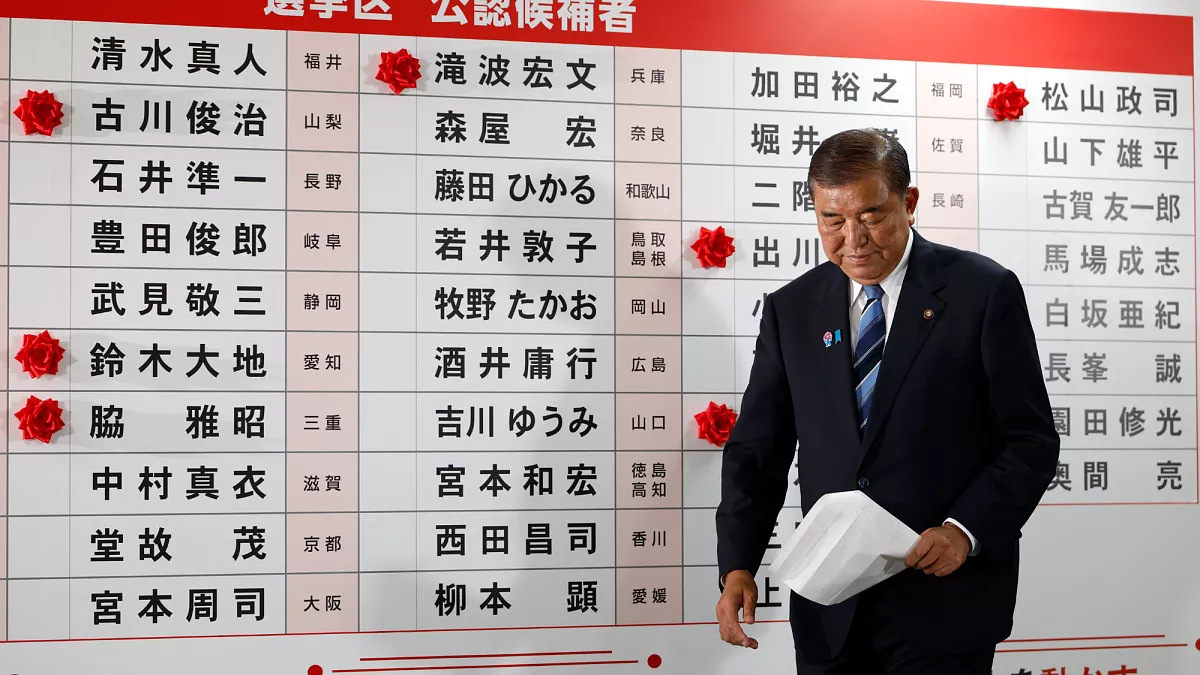
Japan’s ruling parties have lost control of the country’s upper house for the first time in decades, official election results confirmed in July 2025.
The Liberal Democratic Party and coalition partner Komeito secured only 46 of the 50 seats needed to keep their majority. This loss follows their defeat in the lower house last October and has thrown Japanese politics into new territory.
The results reflect genuine frustration among ordinary Japanese people. Government data shows inflation hit 3.2% year-over-year in June, while rice prices more than doubled. Wages could not keep up, so many people felt squeezed by rising costs.
At the same time, the number of foreign residents in Japan rose to around 3.8 million—still a small share, but a new high. Many voters say they want tighter rules and better protections for workers.
This discontent fueled the rise of the Sanseito party, which made “Japanese First” its campaign message and gained 14 seats. Like other opposition groups, Sanseito promised to crack down on immigration and stop big new trade concessions.
Tensions over money and identity matter because Japan’s leaders are locked in tough trade talks with the U.S. Since early 2025, American tariffs on Japanese cars and steel jumped to 25%.
That hit exports hard—a 25% drop in car shipments to the U.S. in June. Automakers like Toyota warned official agencies of job cuts and falling profits if tariffs go higher.
The U.S. says its tariffs are just “reciprocal,” but Japanese taxes on imported goods mostly stay below 2%. Prime Minister Ishiba has insisted he will not quit, but without a clear majority, his government cannot easily pass new laws or strike new deals.
Financial regulators warn this deadlock will slow decisions and could fuel more uncertainty or even job losses. The election shows Japanese voters care most about their wallets and national identity.
As government loses its grip and trade trouble grows, businesses and workers face a season of real uncertainty. Investors around the world are watching closely to see if Japan can keep its economy stable.
This article was produced by The Rio Times’ automated newsroom system. How we use AI · Report an error
Read More from The Rio Times