The World’s Top Universities Hold Their Edge—But Challengers are Rising
The 2025 international university rankings, built from independent research data, reveal how a handful of universities in the United States and United Kingdom still set the pace in global research and innovation.
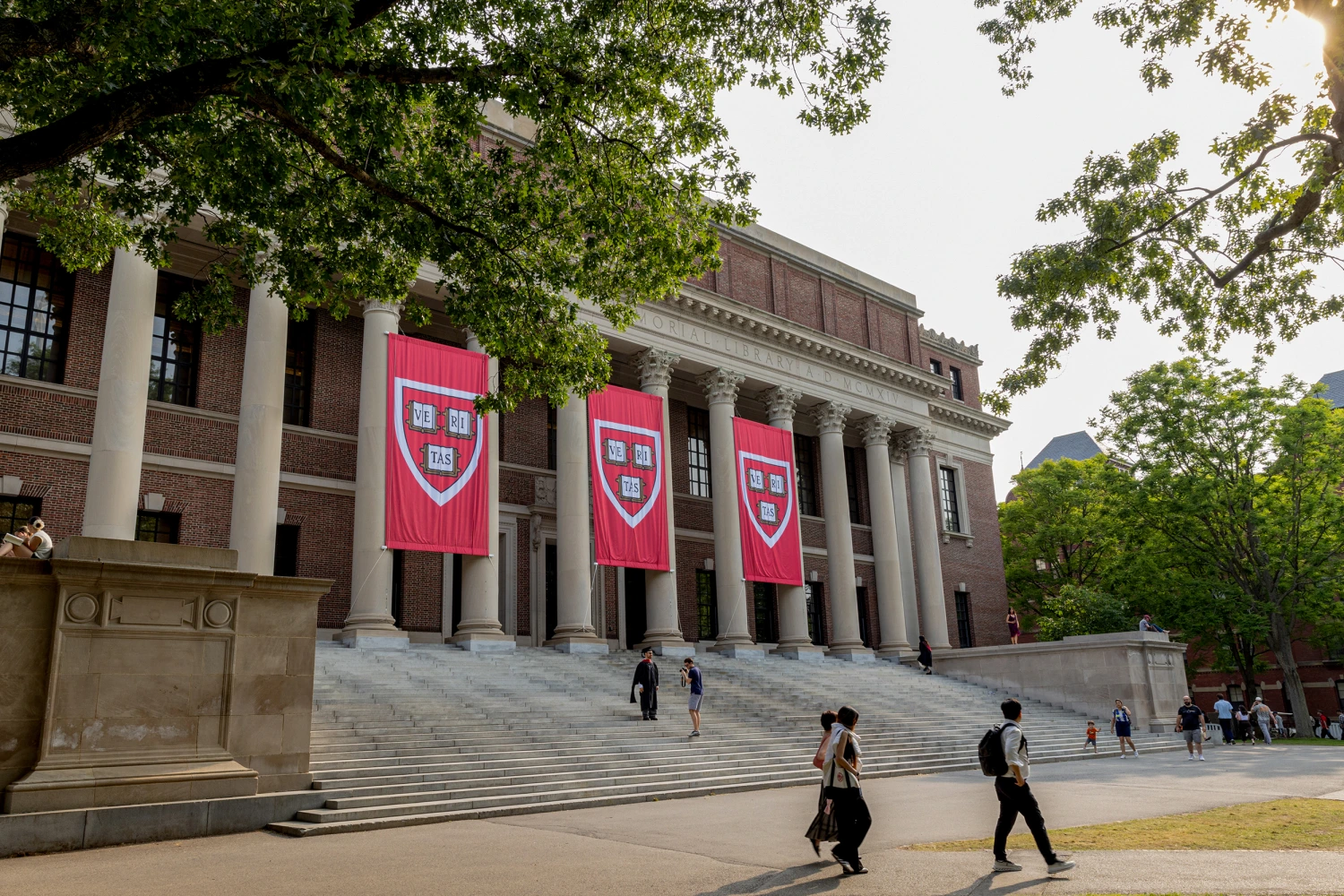
Harvard University leads the list with a perfect score of 100, recognized for both the volume and the influence of its published research.
The Massachusetts Institute of Technology (MIT) follows at 97.2, standing out for its focus on science, engineering, and technology. Stanford University holds third place at 94.5, supported by its strong connections to business and technology industries.
The methodology focuses strictly on research output and reputation, using data on publications, citations, and global impact. More than 2,250 institutions from over 100 countries met the benchmarks to be ranked.
The rankings included only those with major research activity. This approach ranks institutions for their real-world impact on science, medicine, and industry, not on sports or campus life.
The University of Oxford (88.3) and the University of Cambridge (86.8) lead among non-US universities. Both draw large numbers of postgraduate students and direct research into fields from medicine to the humanities, supporting innovation in the UK and beyond.
While US and UK institutions claim 23 of the top 30 spots, contenders outside these countries are making gains. China’s Tsinghua University has advanced rapidly, now a major force in engineering and applied sciences research.
Global Research Universities Power Innovation and Growth
The University of Tokyo excels in technology and science, while the University of Toronto continues to perform highly in medicine and artificial intelligence. Many of these universities focus on research partnerships and talent recruitment to boost their output and reputation.
Increasingly, top research universities shape more than education—they drive economic growth and business opportunity by turning discoveries into new products, companies, and skilled workers.
Large research funding, strong alumni networks, and close ties with industry help US and UK universities maintain their leadership. However, rising investment and collaboration are fueling competition from Asia and beyond, making the race for the world’s best universities more dynamic.
The story behind these rankings is not just about academic prestige. These universities anchor the global knowledge economy. Their breakthroughs pave the way for jobs and technologies that affect lives worldwide.
The landscape is evolving, with new players gaining ground, but for now, the traditional leaders remain at the center of research and innovation.
| Rank | University | Country | Score | Notable Highlights |
|---|---|---|---|---|
| 1 | Harvard University | USA | 100 | Oldest U.S. university (1636); over 20% international students |
| 2 | Massachusetts Inst. of Tech (MIT) | USA | 97.2 | Founded 1861; strong focus on science, engineering, and management |
| 3 | Stanford University | USA | 94.5 | Highly reputed in graduate-level studies, esp. business and tech |
| 4 | University of Oxford | United Kingdom | 88.3 | Founded before 1096; ~45% postgrads; 4 major research divisions |
| 5 | University of Cambridge | United Kingdom | 86.8 | Founded 1209; >35% postgrads; major innovations in multiple fields |
This article was produced by The Rio Times’ automated newsroom system. How we use AI · Report an error
Read More from The Rio Times