Last week, researchers Dr. Eran Bendavid from Stanford and Chirag Patel from Harvard published an eye-opening study.
Their work delved into the worldwide governmental responses to the COVID-19 pandemic.
Using extensive global data, they analyzed strategies ranging from lockdowns to mask mandates. Their goal was to identify effective measures for handling virus outbreaks.
Surprisingly, their research suggested none of the government interventions made a discernible impact. This led to significant costs without apparent benefits.
Consider the consequences. Government actions contributed to the collapse of small businesses, educational setbacks, and increased public health issues.
They also fueled political instability and raised concerns about governmental overreach and privacy intrusions.
This study builds on a growing body of research indicating similar findings. Yet, despite numerous studies, a conclusive impact of these interventions remains elusive.
The researchers pushed the boundaries by testing 100,000 possible scenarios, hoping to find patterns that might suggest effective strategies.
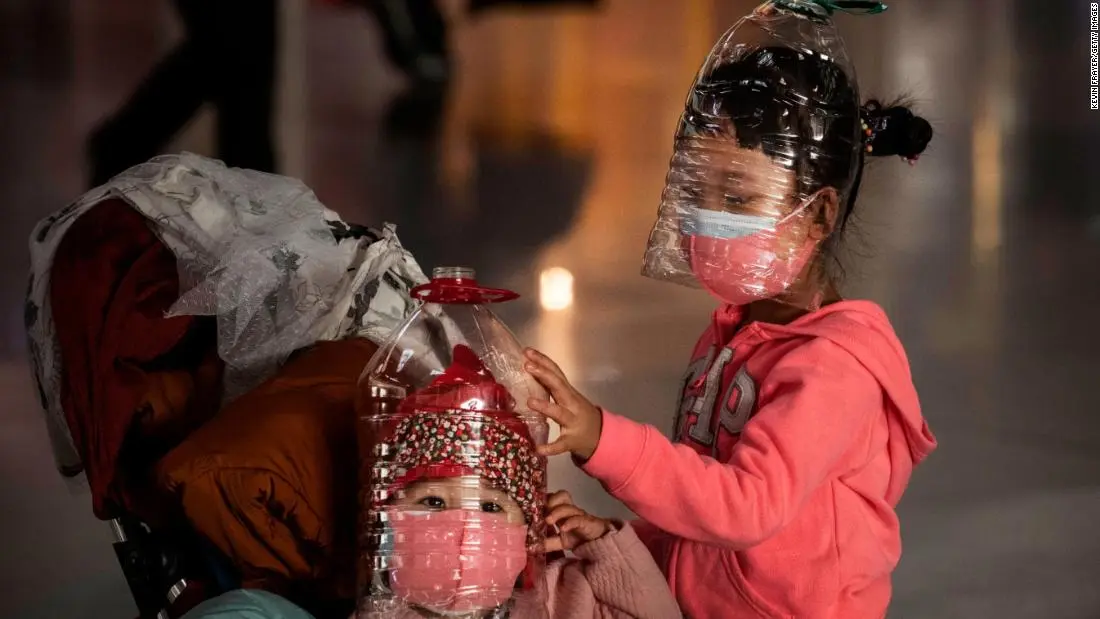
Instead, they found inconsistent correlations, making causality difficult to determine.
Globally, these policies have had profound effects on society. They disrupted education, forced businesses to operate below capacity, and led to bizarre public health rituals.
These measures were part of an experiment on an unprecedented scale, affecting billions but controlled by a surprisingly small number of decision-makers.
The study indicates that global decision-making is concentrated in the hands of a group, estimated to number between 3,000 and 5,000 worldwide.
These individuals, including public health experts and intelligence officers, shaped measures that reached every corner of the planet.
The Power Few: Decoding Global Pandemic Policies
Why does this matter? The results challenge the effectiveness of sweeping governmental policies in managing health crises.
They also highlight the need for more nuanced and evidence-based approaches in future public health strategies.
The implications of these findings extend beyond health policies. They touch on issues of governance, civil liberties, and the balance between public safety and individual rights.
As societies navigate future crises, the lessons learned from this pandemic will be crucial in shaping more effective and less disruptive responses.
This is more than a health story; it’s a narrative about power, governance, and human resilience.
It’s a call to reassess our approaches to crisis management and ensure that our responses are as effective as they are well-intentioned.
Download the study here.
More: Brazil news in English, every day from The Rio Times.
This article was drafted with automated assistance and reviewed before publication. How we use AI · Report an error
Read More from The Rio Times