The Internet of Things is a rapidly growing field that has the potential to revolutionize the way we interact with technology.
IoT refers to the network of physical objects connected to the internet that can communicate with each other and share data.
The primary goal of IoT is to make our lives more convenient, efficient, and productive by automating processes, gathering and analyzing data, and providing real-time insights into the physical world.
IoT software is an integral part of this ecosystem, enabling devices to communicate with each other and with cloud-based platforms.

IoT software can be classified into two categories: device-level software and platform-level software.
Device-level software manages device-specific functions such as data collection from sensors or actuators control.
Platform-level software manages the entire IoT system, including data storage, analytics, and application development.
This article will explore the various types of IoT software, the development process, and what affects IoT software development cost.
Where IoT Software Development Is Thriving: A Look at the Most Promising Sectors
IoT software is gaining popularity across various industries due to its ability to streamline processes, collect and analyze real-time data, and improve decision-making.
For example, the manufacturing industry uses IoT sensors and devices to monitor machines, collect data on performance, and identify potential maintenance issues.
Similarly, the healthcare industry is adopting IoT devices to monitor patients remotely, track vital signs, and improve patient care.
IoT technology is also revolutionizing the transportation industry by allowing fleet management systems to monitor vehicle performance, optimize routes, and track fuel usage.
In addition to these industries, IoT software is making waves in smart homes and buildings.
With IoT devices controlling lighting, heating, and cooling systems, energy efficiency is improving, safety hazards are being detected and prevented, and the convenience for building occupants is increasing.
Finally, the retail industry uses IoT devices to monitor inventory levels, track customer traffic, and personalize the shopping experience for customers.
The increasing popularity of IoT software in these industries is leading to significant benefits such as improved efficiency, cost savings, and enhanced customer experiences.
With continuous IoT software development, we can expect to see even more sectors adopting IoT software and reaping the benefits in the future.
Top Technologies Used in IoT Software Development
IoT software development involves several important technologies critical in creating efficient and effective solutions.
Among the most essential technologies in IoT software development is cloud computing.
With the massive amounts of data generated by IoT devices, cloud computing provides the infrastructure to store, process, and analyze this data in a secure and scalable manner.
Another key technology in IoT software development is artificial intelligence. Machine learning and deep learning algorithms enable IoT devices to learn from data, make predictions, and take action based on real-time data streams.
This is crucial in applications such as predictive maintenance, where IoT devices can detect potential issues before they arise and take corrective actions.
Edge computing is also gaining popularity in IoT software development. By processing data closer to the source, edge computing reduces latency and bandwidth usage, making it possible to process data in real time.
This is especially useful in industrial automation and autonomous vehicles, where low-latency processing is required.
Blockchain technology is another critical technology in IoT software development.
It provides secure and decentralized data storage and management, allowing IoT devices to share data transparently and securely with each other and with cloud-based platforms without a central authority.
Lastly, Internet Protocol version 6 (IPv6) is a crucial technology for IoT software development.
With its larger address space, IPv6 must accommodate the significant number of IoT devices expected to be deployed in the coming years.
IPv6 also provides enhanced security features and supports multicast communication, which is essential for IoT applications requiring group communication.
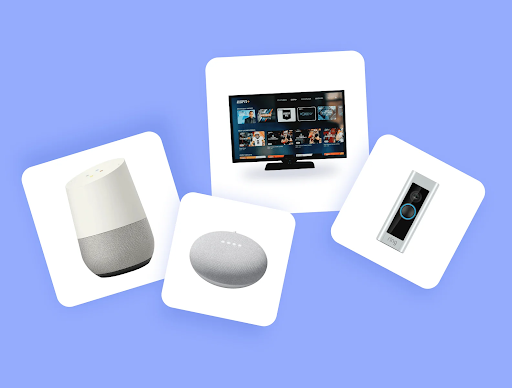
Key Stages of Iot Software Development
The process of developing IoT software involves several stages similar to traditional software development but with additional considerations for the unique challenges posed by IoT devices and systems.
Planning and Analysis
The first stage of IoT software development involves planning and analysis. This includes defining the project’s scope, identifying the hardware and software requirements, and defining the use cases and user requirements.
This stage is critical to ensure the project’s feasibility and meet the end-users needs.
Design and Architecture
The next stage involves designing the software architecture and creating a detailed design specification. This includes defining the data models, flow, communication protocols, and APIs.
The architecture should be flexible enough to accommodate changes in hardware and software components and scalable to handle large volumes of data.
Development and Testing
The development stage involves writing code and testing the software. This includes developing device drivers, implementing communication protocols, and integrating hardware and software components.
Testing is crucial to ensure that the software meets the functional and non-functional requirements and is robust and reliable.
Deployment and Maintenance
The final stage involves deploying the software and maintaining it over its lifecycle. This includes monitoring performance, updating the software, and fixing bugs and issues as they arise.
A clear maintenance plan is important to ensure the software remains up-to-date and secure.
IoT software development includes several challenges, for instance, the complexity of integrating hardware and software components, ensuring data security and privacy, and managing the large volumes of data generated by IoT devices.
It is crucial to carefully consider the end-users’ requirements and design the software architecture to accommodate the system’s changing needs.
Thoroughly testing the software and conducting regular updates and maintenance is essential to ensure the system’s security and reliability.
Working with experienced IoT developers and leveraging existing technologies and tools to streamline the development process and reduce costs is also crucial.
The Cost of IoT Software Development
IoT software development costs are influenced by several factors, including project complexity, the number of hardware and software components, the development team’s expertise, and testing and maintenance time.
Other factors that affect costs include the need for custom software or hardware development, third-party service and API integration, and security and privacy measures.
Furthermore, the development team’s hourly rates and location can also impact the project’s overall cost.
Monetization Strategies for IoT Applications
- Subscription model: With this model, users pay a recurring fee to access the app’s features or services. It works best for apps offering ongoing value or requiring regular updates to maintain relevance.
- Freemium model: This model offers users a free basic version of the app, but charges for premium features or functionality. It’s an excellent way to attract a large user base while generating revenue from users who require more advanced capabilities.
- In-app advertising: This model involves displaying ads within the app, such as banner ads, interstitials, or native ads. It can be particularly effective if the app has a large user base and can deliver targeted advertising to specific audiences.
- Sponsorship or partnerships: This model involves partnering with other companies to promote their products or services within the app. For example, a fitness app might partner with a sports equipment company to offer product discounts.
- Data monetization: This model involves collecting and selling user data to third-party companies. While it can generate significant revenue, it can also raise privacy and data security concerns.
Ultimately, the best way to monetize an IoT app depends on its target audience, features, and business model. Careful consideration of the pros and cons of each monetization strategy is essential to choose the one that best aligns with the app’s goals and values.
Conclusion
IoT apps are poised to become even more popular and essential in the future.
The increasing availability of affordable smart devices and sensors, coupled with the rise of 5G networks and edge computing, will only further fuel the growth of IoT technology.
As more businesses and consumers recognize the value and benefits of connected devices and systems, the demand for IoT apps will continue to rise.
More: Brazil news in English, every day from The Rio Times.
This article was produced by The Rio Times’ automated newsroom system. How we use AI · Report an error
LatAm Markets: Live Signals → — real-time movers, turnover leaders and FX across Latin America.
Read More from The Rio Times