IBOV 183,476.86 ▼ 0.27% IPSA 11,256.80 ▼ 0.38% IPC MEX 64,992.23 ▲ 1.13% MERVAL 2,893,751 ▼ 1.57% COLCAP 2,584.72 ▼ 0.95% BVL PERÚ 59,934.37 ▲ 1.27% USD/BRL5.19▼ 0.12% USD/MXN17.68▼ 0.27% USD/CLP960.63▼ 0.27% USD/COP3,293▲ 0.20% USD/PEN3.39▼ 0.67% USD/ARS1,525▲ 0.30% USD/UYU40.21▲ 3.50% USD/PYG5,870▲ 2.23% USD/BOB12.17▲ 2.05% USD/DOP59.35▲ 0.25% USD/CRC450.87▲ 2.53% USD/GTQ7.64▲ 3.22% USD/HNL26.85▲ 0.31% USD/NIO36.62— 0.00% USD/VES853.52▼ 0.13% USD/PAB1.00— 0.00% USD/BZD2.00— 0.00% USD/JMD 157.28 — 0.00% USD/TTD6.77▲ 2.72% EUR/BRL5.91▲ 0.63% BRENT 88.88 ▼ 0.03% WTI 83.11 ▼ 0.11% IRON ORE 161.91 — — COPPER 6.61 ▲ 0.03% GOLD 4,461 ▲ 1.78% SILVER 65.59 ▲ 1.26% SOY 1,184 ▲ 3.20% CORN 480.50 ▲ 10.02% WHEAT 655.00 ▲ 3.93% COFFEE 317.25 ▼ 5.51% SUGAR 16.43 ▼ 1.79% ORANGE JUICE 138.55 ▼ 0.47% COTTON 85.03 ▲ 2.33% COCOA 5,719 ▲ 3.18% BEEF 223.60 ▼ 3.93% CATTLE 339.10 ▼ 3.16% LITHIUM 75.20 ▲ 1.47% PETR4 41.64 ▼ 0.05% VALE3 72.97 ▲ 0.83% ITUB4 38.60 ▼ 1.03% BBDC4 16.85 ▲ 0.36% ABEV3 14.89 ▼ 0.80% BBAS3 19.37 ▲ 0.47% B3SA3 14.26 ▼ 0.21% WEGE3 47.59 ▲ 0.49% PRIO3 59.14 ▼ 0.19% SUZB3 41.33 ▲ 2.35% RENT3 34.68 ▼ 0.09% AZZA3 15.89 ▼ 2.63% CSAN3 3.22 ▼ 1.83% RAIZ4 0.25 — 0.00% PCAR3 2.75 ▼ 0.36% GMAT3 3.65 ▼ 1.08% PSSA3 48.13 ▼ 0.54% CVCB3 1.33 ▼ 2.92% POSI3 3.36 ▲ 2.44% SLCE3 13.34 ▲ 0.30% NATU3 8.14 ▼ 0.73% IBOV 183,476.86 ▼ 0.27% IPSA 11,256.80 ▼ 0.38% IPC MEX 64,992.23 ▲ 1.13% MERVAL 2,893,751 ▼ 1.57% COLCAP 2,584.72 ▼ 0.95% BVL PERÚ 59,934.37 ▲ 1.27% USD/BRL 5.16 ▲ 0.01% USD/MXN 17.06 ▼ 0.24% USD/CLP 913.98 ▲ 0.04% USD/COP 3,140 ▲ 0.03% USD/PEN 3.36 ▼ 0.66% USD/ARS 1,493 ▲ 0.10% USD/UYU 40.27 ▲ 1.24% USD/PYG 5,939 ▲ 1.68% USD/BOB 11.64 ▼ 0.76% USD/DOP 58.34 ▲ 1.25% USD/CRC 445.92 ▲ 0.89% USD/GTQ 7.62 ▲ 2.21% USD/HNL 26.79 ▲ 1.57% USD/NIO 36.62 ▲ 0.69% USD/VES 762.44 ▼ 0.13% USD/PAB 1.00 — 0.00% USD/BZD 2.00 — 0.00% USD/JMD 157.28 — 0.00% USD/TTD 6.70 ▲ 0.61% EUR/BRL 5.95 ▲ 1.01% BRENT 88.88 ▼ 0.03% WTI 83.11 ▼ 0.11% IRON ORE 161.91 — — COPPER 6.61 ▲ 0.03% GOLD 4,461 ▲ 1.78% SILVER 65.59 ▲ 1.26% SOY 1,184 ▲ 3.20% CORN 480.50 ▲ 10.02% WHEAT 655.00 ▲ 3.93% COFFEE 317.25 ▼ 5.51% SUGAR 16.43 ▼ 1.79% ORANGE JUICE 138.55 ▼ 0.47% COTTON 85.03 ▲ 2.33% COCOA 5,719 ▲ 3.18% BEEF 223.60 ▼ 3.93% CATTLE 339.10 ▼ 3.16% LITHIUM 75.20 ▲ 1.47% PETR4 41.64 ▼ 0.05% VALE3 72.97 ▲ 0.83% ITUB4 38.60 ▼ 1.03% BBDC4 16.85 ▲ 0.36% ABEV3 14.89 ▼ 0.80% BBAS3 19.37 ▲ 0.47% B3SA3 14.26 ▼ 0.21% WEGE3 47.59 ▲ 0.49% PRIO3 59.14 ▼ 0.19% SUZB3 41.33 ▲ 2.35% RENT3 34.68 ▼ 0.09% AZZA3 15.89 ▼ 2.63% CSAN3 3.22 ▼ 1.83% RAIZ4 0.25 — 0.00% PCAR3 2.75 ▼ 0.36% GMAT3 3.65 ▼ 1.08% PSSA3 48.13 ▼ 0.54% CVCB3 1.33 ▼ 2.92% POSI3 3.36 ▲ 2.44% SLCE3 13.34 ▲ 0.30% NATU3 8.14 ▼ 0.73%
since 2009
Sunday, September 27, 2026

Analysis China

The Dragon’s Bargain: How China’s Cheap Exports Reshape Southeast Asian Markets

By · September 23, 2024 · 2 min read

The LatAm Brief

One email, every weekday morning. What moved in Latin American markets, politics and expat life.

Yesterday’s subject line: “The US Army is quietly planning for Cuba”

Free. We send a confirmation link first — nothing arrives until you click it. Unsubscribe with one click in any edition. If you stop opening us for 30 days we stop sending by ourselves, as we assume the interest is no longer there. See our privacy policy. We never share your email.

(Analysis) China’s economic slowdown has sparked a surge in low-cost exports, reshaping markets across Southeast Asia.

Chinese manufacturers now redirect excess inventory abroad, causing prices to plummet worldwide. This flood of inexpensive goods has ignited tensions and forced local industries to adapt or perish.

The purchasing managers’ index for China dipped to 49.1 in August, marking its fourth consecutive month below 50.

Free daily brief — no card needed
Get every Analysis story in one morning email
We build you a personalized brief around the topics you follow — free for 7 days. Love it? Your first month after that is US$1.

Despite this economic downturn, Chinese exports continue to thrive. In July, exports reached $300.5 billion, a 7% increase from the previous year.

Chinese companies have slashed prices on various products to maintain their competitive edge. Steel, home appliances, and integrated circuits have seen significant price drops.
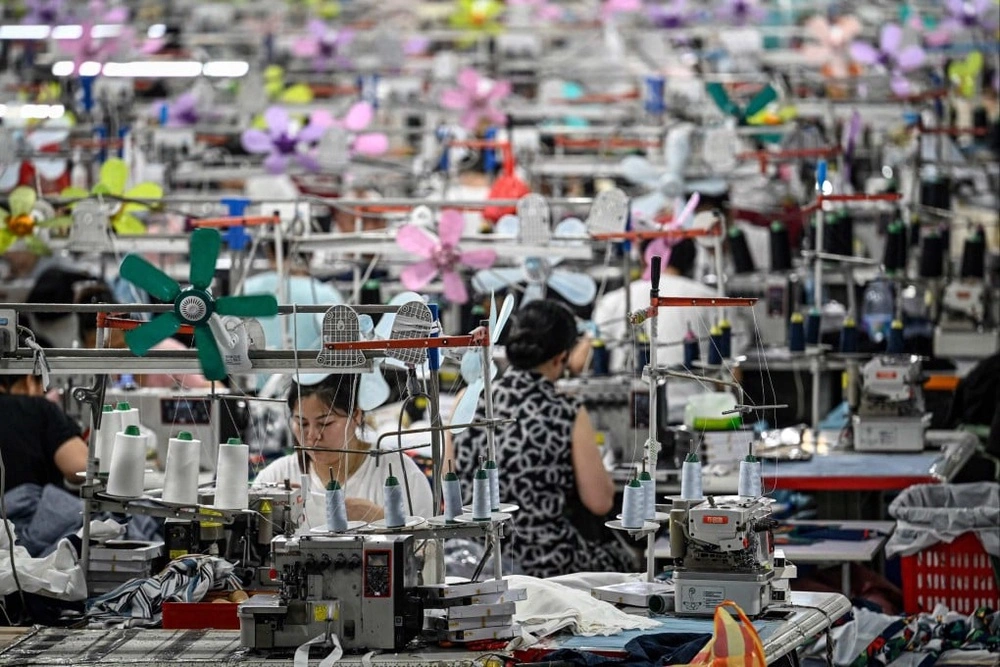
The Dragon's Bargain: How China's Cheap Exports Reshape Southeast Asian Markets.
The Dragon’s Bargain: How China’s Cheap Exports Reshape Southeast Asian Markets.
One-stop reference
Company Intelligence
Every listed company in Latin America — financials, ownership and structure for 1,450+ companies across 26 exchanges, in one place.
Browse the directory →
RT
Ask Rio Times
Latin American markets, currencies and companies.
Open the full Ask Rio Times →

Steel exports, in particular, have surged by 22% to 61.23 million tonnes in the first seven months of 2024. This influx of cheap goods has sent shockwaves through Southeast Asian economies.

In Thailand, half of the ceramics factories in Lampang province have shut down. Indonesian textile workers face widespread job losses, while Malaysian retailers struggle to compete.

Meelarp Tangsuwana, a Thai ceramics factory owner, exemplifies the challenges faced by local businesses.

His hand-painted soup bowls, priced at 18 baht, now compete with identical Chinese products selling for just 8 baht. This stark price difference has left many local artisans bewildered and struggling to survive.

The flood of Chinese goods benefits from several factors. These include China’s massive e-commerce market, improved logistics, and free trade agreements.

The Regional Comprehensive Economic Partnership has further facilitated Chinese products’ entry into local markets. Southeast Asian governments have begun implementing protective measures.

Thailand’s new administration has pledged to tackle illegal imports and support local businesses. Malaysia imposed a 10% levy on imported goods valued at 500 ringgit or less.

The Dragon’s Bargain: How China’s Cheap Exports Reshape Southeast Asian Markets

Indonesia has taken more drastic action, introducing import tariffs of 100% to 200% on certain Chinese goods.

These measures aim to protect small and medium enterprises, which account for 60% of Indonesia’s economic output. However, some experts argue that these efforts may be insufficient.

Ameer Ali Mydin of the Malaysia Retailers Association believes his country has become a “dumping ground” for Chinese excess capacity. He advocates for a flat tax of up to 20% on all overseas online purchases.

The situation has sparked debates about balancing free trade agreements with the need to protect local industries.

End of an Era: Global Resistance to China’s Economic Expansion Mounts

Some fear that entire sectors of their economies may slip into Chinese control. Thai logistics workers, for instance, report being undercut by “zero dollar transport” schemes.

As Western markets become less accessible, Chinese exporters increasingly target Southeast Asia.

This shift has forced local businesses to innovate or face extinction. Some advocate for stricter border controls and quality standards to level the playing field.

The influx of cheap Chinese goods presents both opportunities and challenges for Southeast Asian economies.


This article was produced by The Rio Times’ automated newsroom system. How we use AI · Report an error

Read More from The Rio Times

The Rio Times · Power Map
See who really holds power in Latin America
Click to open the Power Map →

Rotate for Best Experience

This report is optimized for landscape viewing. Rotate your phone for the full experience.