The Dark Fleet: Navigating the Perils of Sanctioned Oil in Asian Waters
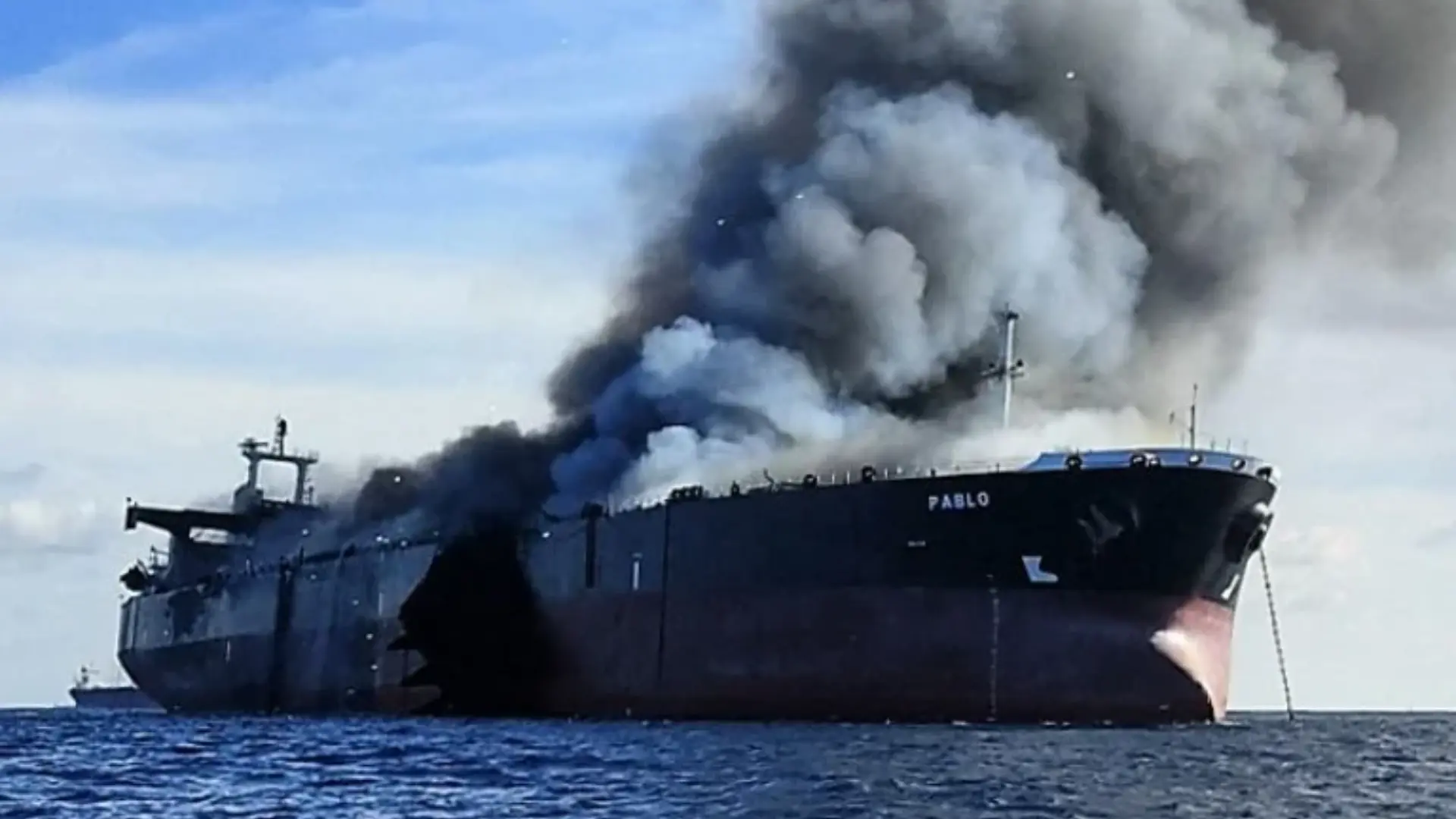
On July 19, a collision between two oil tankers off Singapore underscored the escalating risks from vessels that avoid detection to transport oil from sanctioned nations.
This incident highlights the challenges Asia faces with these so-called “dark fleet” ships. These vessels use deceptive practices like disabling tracking systems and changing flags to evade sanctions.
The dark fleet has grown significantly, especially since Russia’s 2022 invasion of Ukraine prompted it to reroute its oil exports away from Western markets. Currently, this fleet comprises approximately 1,300 vessels or about 15% of the global total.
Their tactics include not only turning off tracking devices but also using outdated ships that often lack proper maintenance and insurance. This raises significant risks for maritime safety.
Western sanctions, particularly the price caps on Russian oil, aim to curb Moscow’s revenue without causing global market disruptions.
However, the effectiveness of these caps is questionable as they have been frequently breached, and enforcing compliance is complex.
The Rise of the Dark Fleet and Its Implications
The withdrawal of European companies from the Russian oil trade, driven by fear of sanctions, has allowed the dark fleet to fill the gap. This shift has led to an increase in the use of substandard ships in oil transportation.
This situation poses a significant risk not just of maritime accidents but also of environmental disasters. The incident near Singapore is a stark reminder of the potential consequences.
Addressing this involves more than just enforcing sanctions; it also requires a reevaluation of strategies like the price cap policy.
Additionally, encouraging responsible participation by Western shipping and insurance industries in the Russian oil trade is essential.
Ultimately, the growth of the dark fleet and the resulting dangers highlight the intricate and often adverse effects of international sanctions on global trade and safety.
Addressing these issues effectively calls for a nuanced approach that balances economic interests with environmental and regional stability.
This article was produced by The Rio Times’ automated newsroom system. How we use AI · Report an error
Read More from The Rio Times