The biggest party in the world? What is Carnival in Rio de Janeiro and how did it come about?
RIO DE JANEIRO, BRAZIL – When the Carnival season begins, the streets of Brazil are full of color, festivities, and samba. As one of the essential elements of Brazilian culture, no city in the South American country does not have its parade. From the Brazilian soap operas of Rede Globo to The Simpsons, Brazilian Carnival has been covered, but Rio de Janeiro’s Carnival stands out the most for its visibility.
The Sambadrome and the streets are all about the music of the recently deceased Elsa Soares, samba schools promoting the festival, floats featuring Afro-Latin religions, and coverage of the large turnout of citizens.
Read also: Check out our coverage on Brazil.
How did one of the most important Brazilian festivals come to be, why is it linked to Afro-Latin cultures, and why is it the most important festival in the South American country, even though there are carnivals in other parts of the world?
WHAT DOES THE CARNIVAL IN RIO INVOLVE?
Brazilian Carnival takes place in all cities of the country, but the Carnival of Rio de Janeiro is the most famous because it is the most broadcast worldwide and has the most visitors. Although the Sambódromo Carioca has a capacity of 90,000 people, up to 5 million people celebrate in the streets.
There are two types of Carnival: the televised one in the Sambadrome and the one in the city streets. The latter usually begins before the official date. It is celebrated initially in February, at noon on Friday before Ash Wednesday, as it is meant to be celebrated in advance of the Catholic Lenten season.
This year’s Carnival has been postponed until April 20, 2022, shortly after Easter, due to the outbreak of the Covid 19 pandemic. Technical rehearsals are expected to occur before the start of Brazil’s largest festival.

More than 450 samba schools are registered to participate in the parade for five consecutive days. The samba schools must compete in seven blocks to determine the single winner, with costumes, fluency, theme, and quality and interpretation of the band’s music being judged.
The samba schools often evoke elements of universal cultures, such as European and African influences, the Catholic and Afro-Latin religions, satire on politicians, street school names with double meanings, and a lot of samba in between.
Traditionally, there is the figure of King Momo and a queen and two princesses – who are responsible for opening Carnival. Each receives a cash prize. In the case of Rio de Janeiro, a big, fat man must be chosen to receive the keys to the city from the mayor, as he “rules” the town.
A PORTUGUESE TRADITION THAT TURNED OUT TO BE A CELEBRATION OF SOCIAL CLASSES
The colonization of Brazil began on January 26, 1500, when Spanish navigator Vicente Yáñez Pinzón – eight years after Christopher Columbus arrived on the island of Hispaniola, now the Dominican Republic and Haiti – reached the coast of Cape St. Augustine (or Cape Consolation) in what is now Pernambuco.
However, the formal arrival did not occur until months later, when the navigator Pedro Álvares Cabral reached Porto Seguro (in Bahia) on April 24 of the same year, claimed by Portugal and confirmed in the Treaty of Tordesillas in 1494. The area was inhabited by two native Tupi tribes, which eventually fought because one of them supported the arrival of the Portuguese.
It was not until 1530, under the reign of “João III the Pious,” that Portugal began colonizing Brazil for strategic and economic reasons-because. The Spanish and French were interested in controlling the area, especially after discovering Caesalpinia echinata, or “Brazil wood.”
With the establishment of the capitals of Pernambuco, Bahia, and Maranhão around 1535, the Brazilian economy was boosted by two other factors: the cultivation of sugar cane and the arrival of African slaves to work in the fields. Elements of Portuguese culture were also imported, such as Catholic patronal festivals, which were adopted from Roman times.
According to some scholars, the first Carnival in Brazil did not occur until 1553 in Pernambuco as a three-day celebration to kick off the Catholic Lenten season. It was attended by masters and slaves, priests and soldiers, and even the colonial hierarchy itself.
This was the beginning of Brazil’s territorial expansion as a colony but also the beginning of the spread of Lenten Carnival throughout the region. Although the city of Rio de Janeiro was not founded until 1565, it was it that would shape part of the present-day celebration.
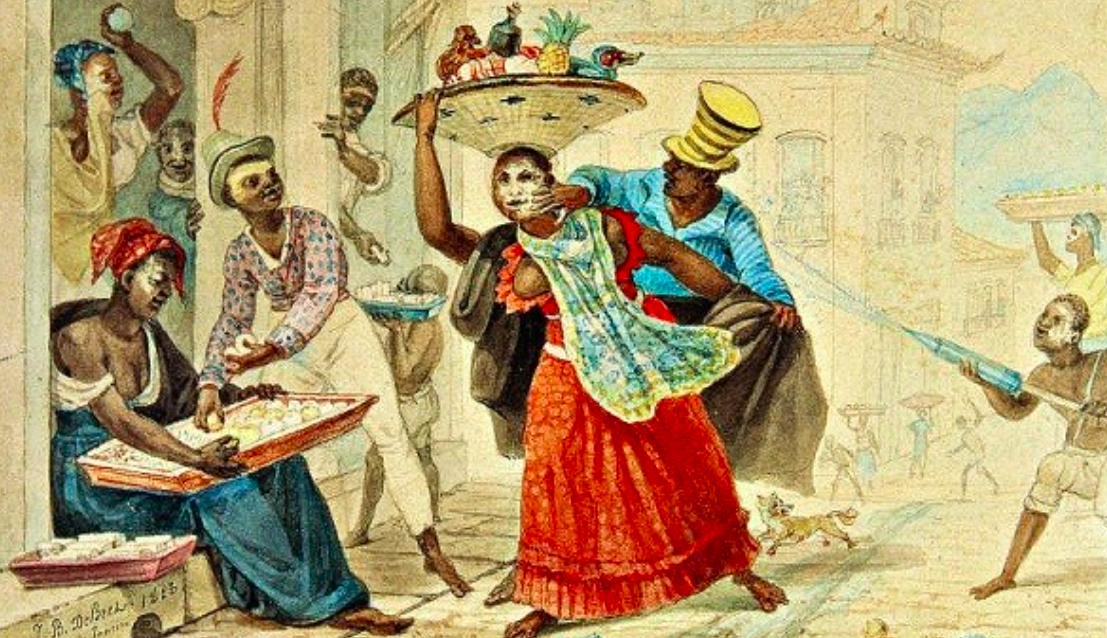
With the arrival of Carnival also came another Portuguese tradition: the Entrudo (Entrance). It took place three days before Ash Wednesday, where people threw buckets of water, lemons, eggs, tangerines, pasta, and gloves full of sand, beat each other with brooms and wooden spoons, and soiled themselves with flour, plaster, and other objects to have fun before Lent, which it was imperative to observe.
The entrudo established the Lenten Carnival’s bad reputation at the end of the 18th century because it ended in violent incidents in which people died in the streets. Portuguese elites came to celebrate it in private, while Afro-Brazilian slaves were freed to celebrate it in public.
The invasion of Portugal by Napoleon Bonaparte in 1808 – as a result of which the Portuguese imperial court was moved to Rio de Janeiro – marked the first change in the Lenten carnival tradition to make it more “civilized” by adding dances, carriages, and masquerade parades – in the style of the Parisian elite – and placing the entrudo under strict police control.
A few years after Brazil’s independence, but under the reign of Pedro II, who had renounced the independence of the country controlled by his father João VI of Portugal, this led to a divided fast for the rich and noble and the poor and slaves.
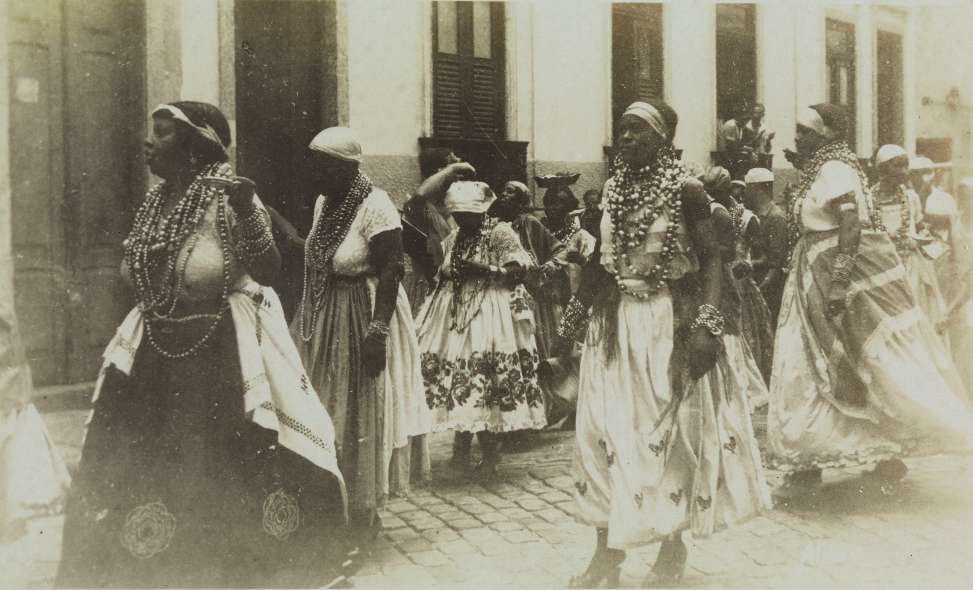
While the elite celebrated a festival inspired by European societies to distance themselves from their Lusitanian past, the common people and slaves continued to celebrate in the streets, forming carnival blocks and barriers, especially in Rio de Janeiro.
According to “O Livro de Ouro do Carnaval Brasileiro” (“The Golden Book of Brazilian Carnival”) by Felipe Ferreira, the blocks and barriers were the preludes to what we see today with the Carnival floats and samba schools because they added music, dance and religious elements, for both Catholics and Afro-Brazilians, not Candomblé, a kind of “Brazilian Santeria.”
According to other scholars, the modern concept of Carnival in Brazil began in 1854 with Pedro II’s formal prohibition of entrudo, whose main goal was to limit celebrations in the streets and concentrate them in salons and theaters, turning Carnival into a class-oriented celebration.
However, the poor and Afro-Brazilians kept the festival going in the streets – especially in Rio de Janeiro and Recife – but under strict police surveillance, which eventually tried to suppress it. This led to the creation of the first carnival societies, which were “legalized” by the end of the 19th century, with the fall of the Empire and the creation of the Republic of Brazil in 1889.
THE UNIFICATION AND RECOGNITION OF A SINGLE CARNIVAL
Francisca Edviges Neves Gonzaga, better known as Chiquinha Gonzaga, was the woman who officially set Brazilian Carnival to music, composing the march “Ó Abre Alas” in 1899, created specifically for the Rosa de Ouro Cordon. One of the elements that instrumentalized the parade was the “Zé Pereira” who played drums and other instruments.
The “Carnival of the Poor” was already politically charged, as they sought to distance themselves from the political elite of the time. Although the samba genre was born in 1910, the first song of the genre was recorded seven years later: “Pelo Telefone” by Donga, which would become an essential part of the parade over the years.
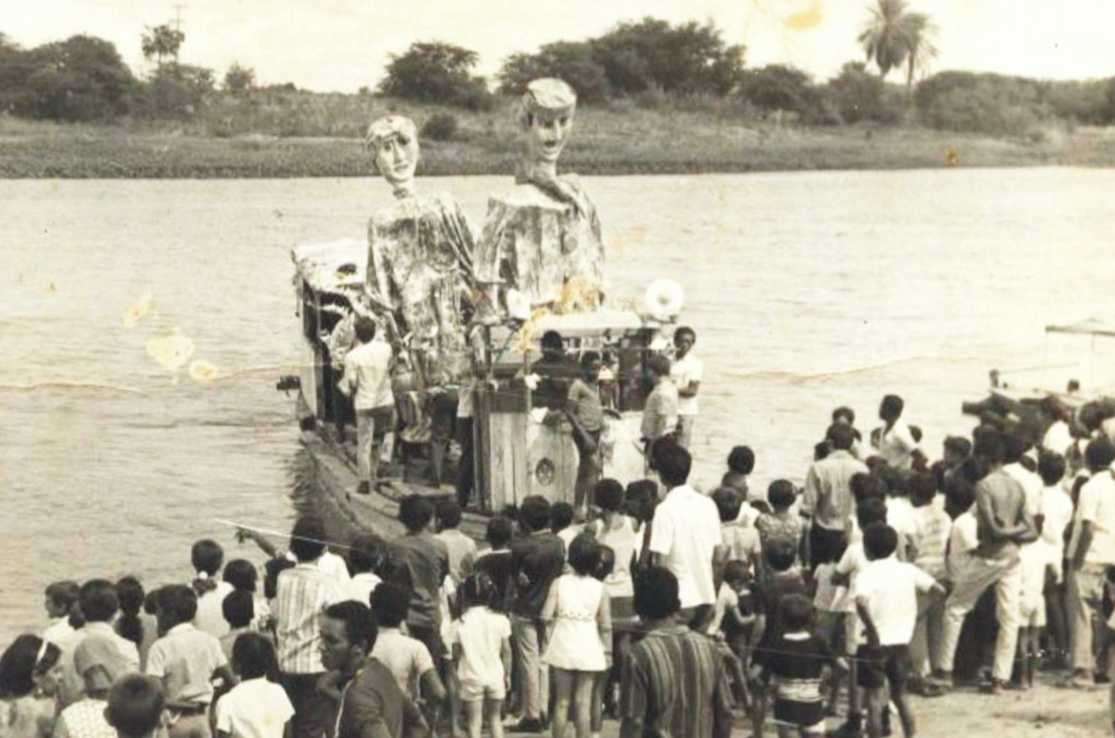
Around 1920, the samba schools emerged, representing the neighborhoods of the city of Rio de Janeiro, and over the years, they would replace the “cordões” and part of the “blocos”.
According to the free book “Almanaque do Carnaval” by André Diniz, the famous Carnival was concentrated in what is now Praça Onze in the Estácio district of Rio de Janeiro had more followers among intellectuals and artists but was still frowned upon by outsiders.
One of the key years for the “victory” of the popular Carnival was 1928, when the artists decided to organize themselves like the rich. With the creation of the Samba School Deixa Falar (Let Them Speak) – which gave birth to the concept of today’s schools – started by the sambista Ismael Silva, each block had to have its own theme and costumes.
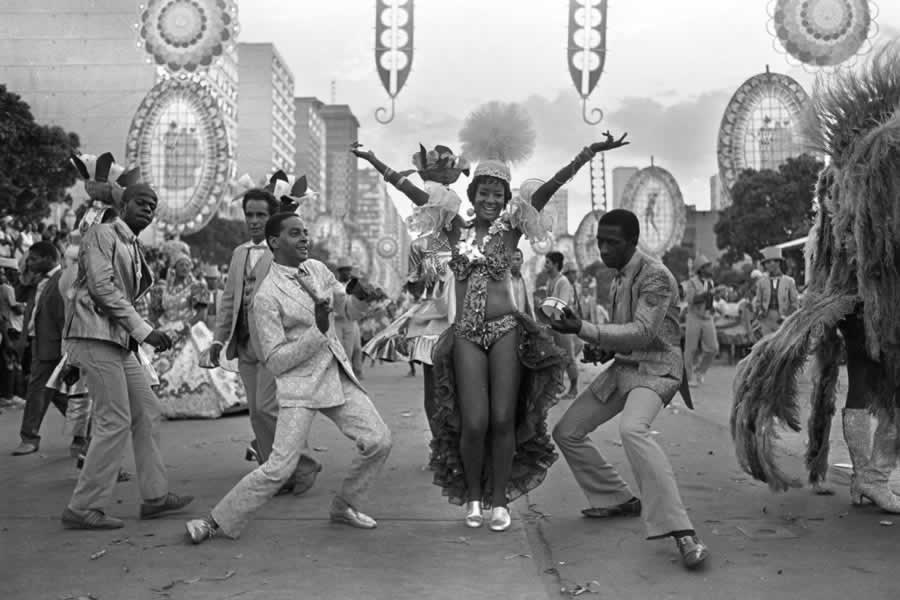
In 1932, the director of the Mundo Sportivo newspaper, Mário Filho – considered the most important sports journalist in Brazil’s history, since he popularized soccer in the country – decided to create the first samba school competition, whose first winner would be the Estação Primeira de Mangueira. Although the newspaper was discontinued the following year, the newspaper O Globo would continue the tradition for years to come.
The final victory, however, would come in 1935, when the mayor of Rio de Janeiro – which was the capital of Brazil until Brasilia was built in 1960 – Pedro Ernesto, with the support of populist President Getúlio Vargas, legalized the samba schools and made the street parades official, giving official status to the Carnival in Rio de Janeiro and others throughout the country to boost the tourism industry and provide it with public funding.
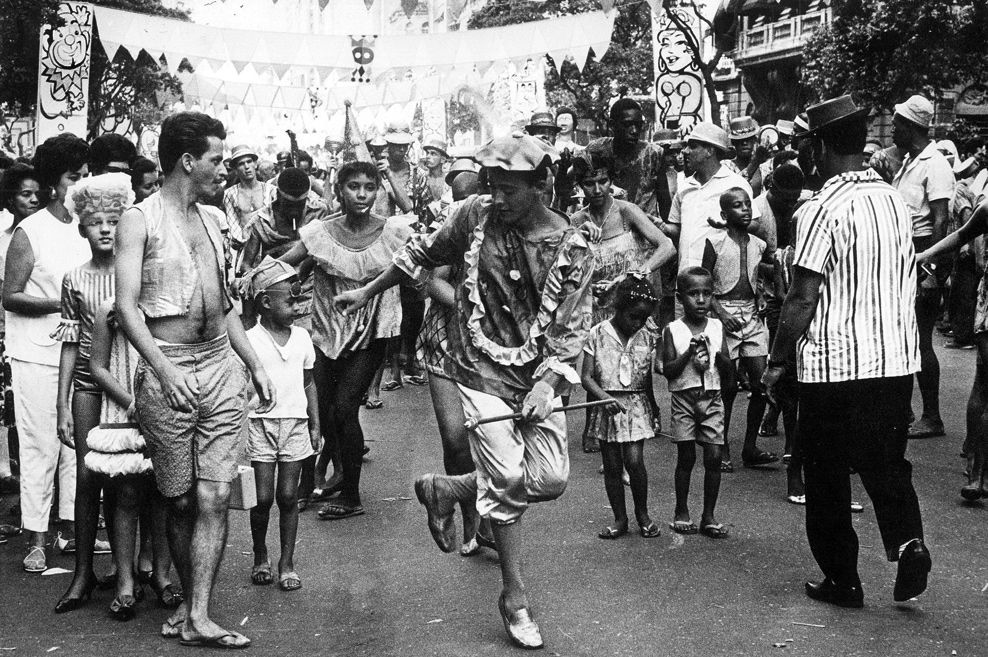
The samba schools gained great importance starting in the 1950s when the middle class was included in the parades, a consequence of the rapprochement between the schools and leftist intellectuals and the arrival of tourism and European immigrants in the country, which made the samba a national event.
However, the parade’s appeal began to wane in the 1970s due to the military dictatorship (1964-1985), when censorship and repression became the norm and the lack of freedoms and democracy somewhat affected the festive atmosphere of the Carnival.
To revive the festival, Leonel Brizola, the mayor of Rio de Janeiro – who lived in exile during the dictatorship and whose return marked the beginning of the return to democracy – asked the famous architect Oscar Niemeyer, who had designed the most important buildings in Brasilia and was still in exile, to design Rio de Janeiro’s Sambadrome in 1983 to make room for the complete exhibition of samba schools. It was inaugurated within four months in 1984.
After returning to democracy, two carnival parades were maintained in Rio, one of which takes place in the Sambadrome. At the same time, the other continues to be held in the streets of Rio de Janeiro, the first paying tribute to the parade of the samba schools with their emblematic floats and dances. In contrast, the second maintains the popular character and in which everyone can participate.
More: Brazil news in English, every day from The Rio Times.
This article was produced by The Rio Times’ automated newsroom system. How we use AI · Report an error
Read More from The Rio Times