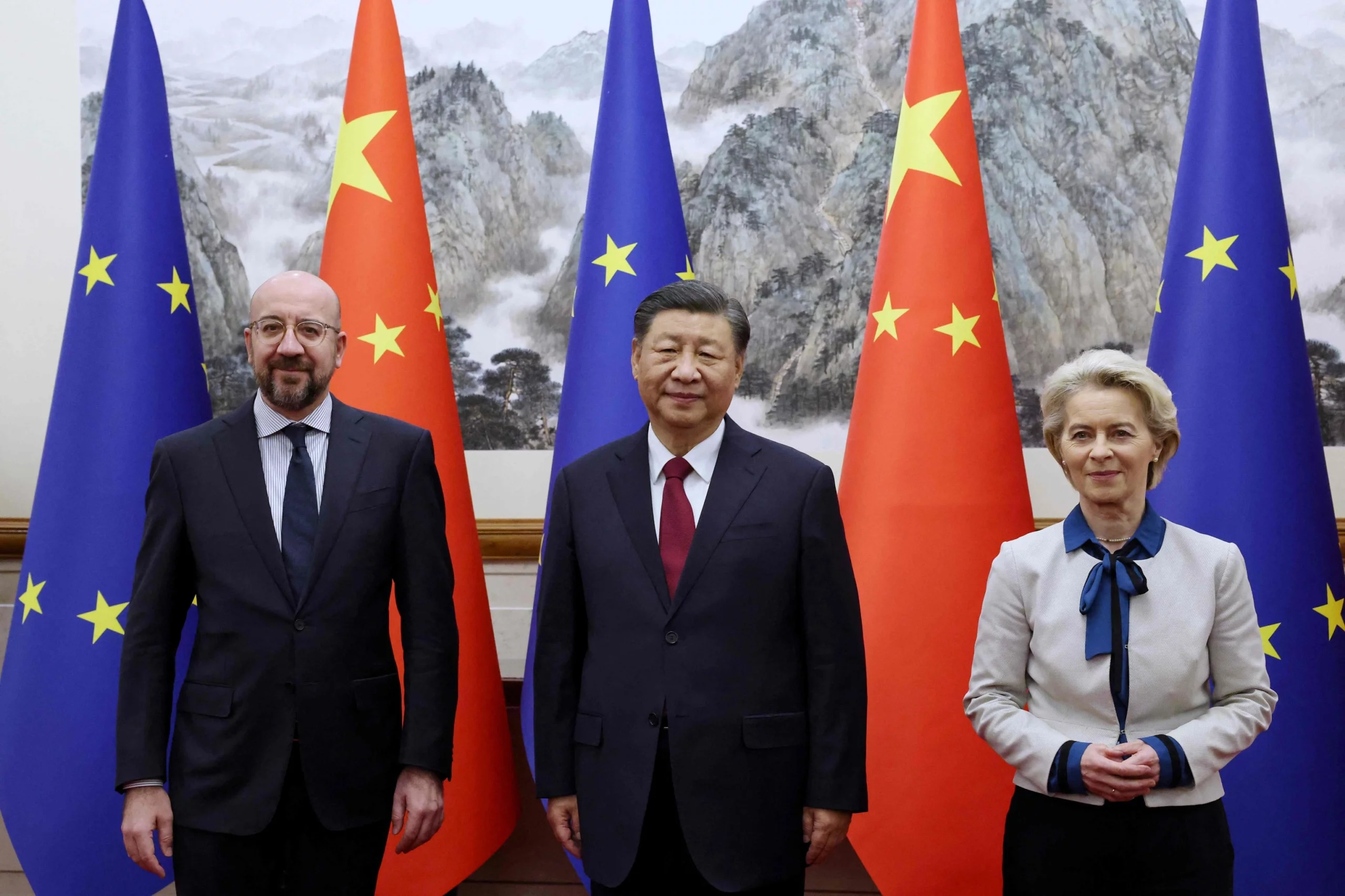
Leaders from the EU and China met in Beijing this week for their 25th annual summit. The conversation centered on one hard truth: the economic partnership now tilts in China’s favor, and Europe wants urgent change.
Right now, European officials say the EU provides 14.5% of China’s total tax revenue, while China’s trade brings 8% to the EU’s own tax base.
But Europe’s trade deficit with China has doubled in only two years, now topping €200 billion.
This means Europe is buying much more from China than it sells there—a growing concern for businesses and politicians alike.
One major issue: European companies face tough barriers when trying to sell goods or compete in China.
Chinese “buy local” rules and slow import approvals keep EU products out, while Europe’s own markets remain open to Chinese imports.
The EU’s leaders stressed they welcome competition, but only if both sides play by the same rules.
Tension Rises as EU Pushes China for Fairer Trade Deal
There’s also friction on exports of key raw materials. Chinese controls on rare earths and permanent magnets make life uncertain for European technology and manufacturing firms.
The summit saw China agree to speed up export licenses and set up a fast-track mechanism—so delays in supplies can be fixed quickly if they threaten European companies.
European leaders made it clear: they expect real progress soon. If China does not open its markets further and treat European businesses fairly, the EU may rethink its own openness to Chinese goods.
Behind the Red Wall: Internal Feuds and Economic Strain Shake China’s Elite
Europe set three priorities: better access to the Chinese market, more transparency and reliability for exports of critical materials, and a fair system for resolving supply chain problems.
Beyond trade, the summit addressed climate cooperation and the war in Ukraine. Both sides agreed to back the Paris climate goals, but Europe pushed China to take more ambitious action.
On Ukraine, the EU asked China to use its influence to push Russia toward peace—saying how China acts on global security will influence future economic ties.
The message from the summit is clear: both sides need each other, but Europe wants a fairer deal.
By linking market access and reliable supply chains to future business, EU leaders sent a strong signal. Europe’s next steps will depend on whether China matches its words with action.
This article was produced by The Rio Times’ automated newsroom system. How we use AI · Report an error
In depth
Read More from The Rio Times