Behind the Red Wall: Internal Feuds and Economic Strain Shake China’s Elite
Political life in China, long known for orchestrated stability, now displays visible signs of internal discord.
Official information and regional documentation confirm that Xi Jinping, China’s leader since 2013, is navigating an intensifying challenge to his authority at a moment of economic and military strain.
Xi’s absence from high-profile diplomatic events, including the 2025 BRICS summit—a first in over a decade—caught business and political observers off guard.
Official explanations cited scheduling conflicts, yet China’s state media cut coverage of Xi and his allies for days, substituting less consequential news. For nearly two weeks in mid-2025, Xi did not appear publicly.
Such vanishing acts, especially during vital diplomatic windows, have no recent precedent for a leader previously omnipresent in official publications.
Simultaneously, China’s political elite displays clear evidence of upheaval. Internal party meetings, such as critical Politburo gatherings, reportedly took place without Xi at the helm.
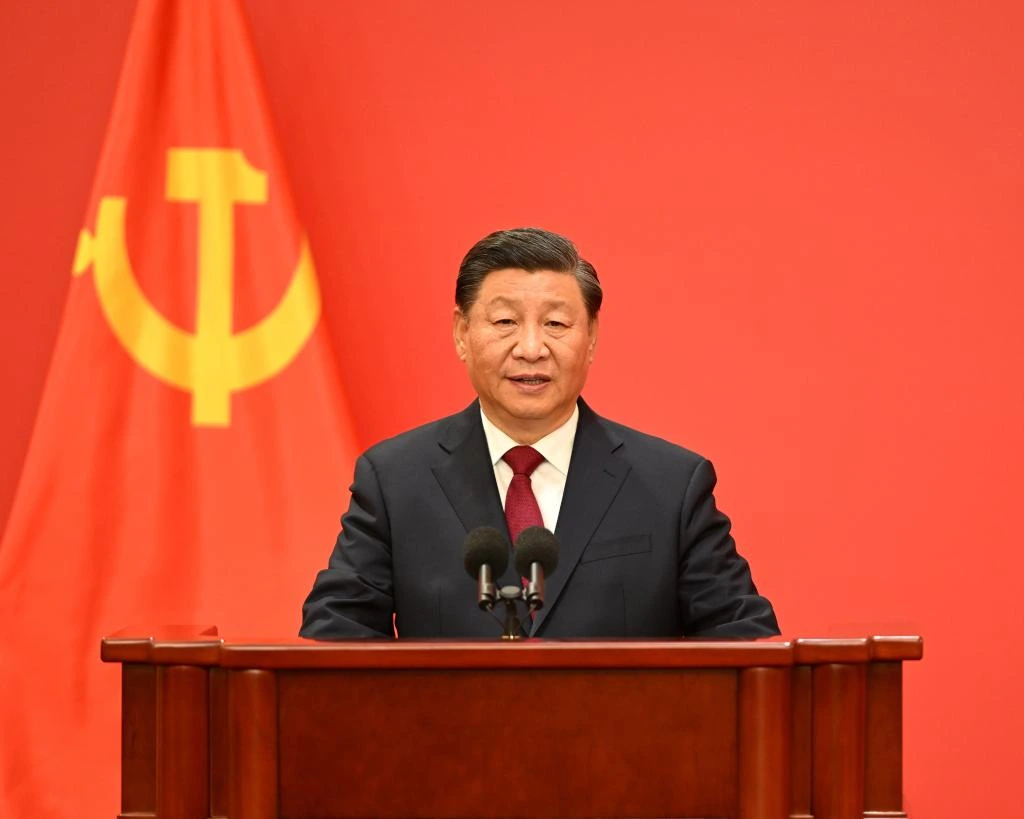
Reports of a new, elevated decision-making body and the publication of unusually terse official communiqués, omitting references to Xi’s central ideological position, point to a recalibration of power within the Communist Party’s highest ranks.
Leadership changes, including reassignment of loyalists and increased prominence of figures previously marginalized under Xi, further signal that party elders and rival factions now exert greater influence.
The military, traditionally Xi’s stronghold, illustrates the underlying turmoil most starkly. Official sources acknowledge ongoing large-scale anti-corruption purges.
These have swept away generals from the Central Military Commission, admirals, and senior officials in sensitive areas like the Rocket Force—many once handpicked by Xi himself.
While corruption is presented as the justification, analysts recognize these removals as an act of political control and an expression of deep paranoia.
The targeting of close allies and wholesale leadership reshuffling leave a mark of uncertainty on military effectiveness and ultimately, national security.
Economic challenges compound these risks. China’s 2025 official growth estimates fall short of earlier years, with GDP projected around 4.7–4.9 percent and declining investment in property.
Surveys from the National Bureau of Statistics highlight persistent youth unemployment near 15 percent and softened manufacturing activity, despite steady household-driven consumption.
Business leaders face mounting unpredictability, while outward capital flows and moves to hedge assets abroad signal a lack of confidence in the direction of policy leadership.
For business, the storyline is no longer just about expansion or opportunity. Instead, key risks arise from concentrated rule and the absence of succession planning.
After Xi’s bid to sideline rivals and end leadership term limits in 2018, China is now, according to multiple official and regional sources, experiencing exactly the scenario those earlier power-sharing reforms were meant to prevent.
This article was produced by The Rio Times’ automated newsroom system. How we use AI · Report an error
Read More from The Rio Times