
TANZANIA · ANALYSIS
Key Facts
- —What is happening Chadema official John Pambalu was charged with treason on 21 October 2026, the second senior party leader prosecuted after chairman Tundu Lissu.
- —Why it matters Political mobilisation can now carry the state’s maximum criminal penalty.
- —The numbers Two Chadema leaders now face treason charges as of October 2026; the High Court set 6 November 2026 for judgment in Lissu’s case.
- —Who is who Tundu Lissu chairs Chadema; John Pambalu directs the party’s training, organisation and elections.
- —What to watch The Lissu verdict on 6 November 2026.
- —What it means for you US investors in Dar es Salaam port, mining and energy projects should reassess political-risk insurance, contract arbitration and supply-chain contingency plans.
Tanzania treason charges against Chadema’s John Pambalu on 21 October 2026 mark the second capital prosecution of a senior opposition leader in under two years. For US investors and policy readers, the case signals that election-related dissent is being treated as a national-security offence in a country central to East African logistics and critical minerals.
Tanzania sits on the Indian Ocean and serves as a trade gateway for landlocked neighbours including Zambia, Burundi and the Democratic Republic of Congo. This analysis explains the charges, the legal framework, the actors and the commercial stakes, drawing on the Africa Intelligence Brief published on 22 October 2026.
What Pambalu Is Accused Of
John Pambalu, Chadema’s director of organisation, training and elections and a member of its national council, appeared before the Kisutu Resident Magistrate’s Court in Dar es Salaam on 21 October 2026. He is also a former leader of the party’s youth wing.
The prosecution alleges that Pambalu intended to persuade the public to obstruct the 2025 general election and to organise continuing protests to intimidate or pressure Tanzania’s executive. The charge sheet frames political speech, protest organisation and alleged electoral interference as treason.
That means an accused person can remain detained while proceedings continue, regardless of whether any violence occurred.
The reported charge does not establish that Pambalu committed violence or attempted to overthrow the state. The prosecution’s theory centres on mobilisation and public persuasion, a distinction that matters because it suggests ordinary political activity can be reclassified as a capital offence when it challenges government control of the electoral process.
The Lissu Precedent
Pambalu is the second senior Chadema figure prosecuted for treason after Tundu Lissu, the party’s national chairperson and a practising lawyer. Lissu was arrested on 9 April 2025 after a CHADEMA rally in Mbinga, in Tanzania’s Ruvuma Region, and charged with treason.
The prosecution reportedly relies heavily on a short speech in which Lissu used the Swahili term kukinukisha. Authorities interpreted the word as a call for rebellion or civil disobedience.
Lissu’s trial lasted about a year and concluded on 29 September 2026.
The Lissu prosecution therefore supplies the legal and political precedent for Pambalu’s case.
The 2025 Election Background
The charges follow Tanzania’s disputed October 2025 general election. The ruling Chama Cha Mapinduzi, or CCM, remained in power, while President Samia Suluhu Hassan was effectively left without her strongest challenger after Lissu’s imprisonment and Chadema’s exclusion from the poll.
Chadema rejected the electoral process and mobilised opposition supporters.
That context changes the meaning of the Pambalu charge. The government can present the case as protection of electoral order; Chadema and outside observers see it as criminalisation of dissent after an election in which the principal opposition party was unable to compete normally.
Chadema deputy chair John Heche said he had been informed of Pambalu’s treason charge and warned that he expected similar treatment. He pledged that the party would continue fighting.
What It Means for Tanzania’s Democracy
A functioning electoral system requires opposition parties to campaign, protest disputed procedures and challenge official results without facing the maximum criminal penalty. The Pambalu and Lissu cases move Tanzania in the opposite direction: election-related dissent is being framed as a threat to the state.
That weakens the credibility of future elections, the independence of courts and prosecutors, and the ability of opposition parties to recruit and campaign. It also reduces public confidence that political disputes can be resolved institutionally.
A death-eligible treason charge sends a message beyond the accused individual. Party officials, journalists, civil-society groups, lawyers and business associations may avoid public criticism because the boundary between peaceful protest and treason appears uncertain.
This is the logic behind the “fear travels faster than dissent” framing: the state does not need to prosecute everyone if a few high-profile cases deter many others. The chilling effect may exceed the number of prosecutions.
US Relations, Aid and Trade Policy
Tanzania matters to the United States for three overlapping reasons: development and governance, strategic trade and logistics, and critical minerals and energy. Political prosecutions create pressure on US democracy, governance and human-rights assistance.
The available search results did not provide a primary US government source establishing the precise amount, scope or current status of any suspension.
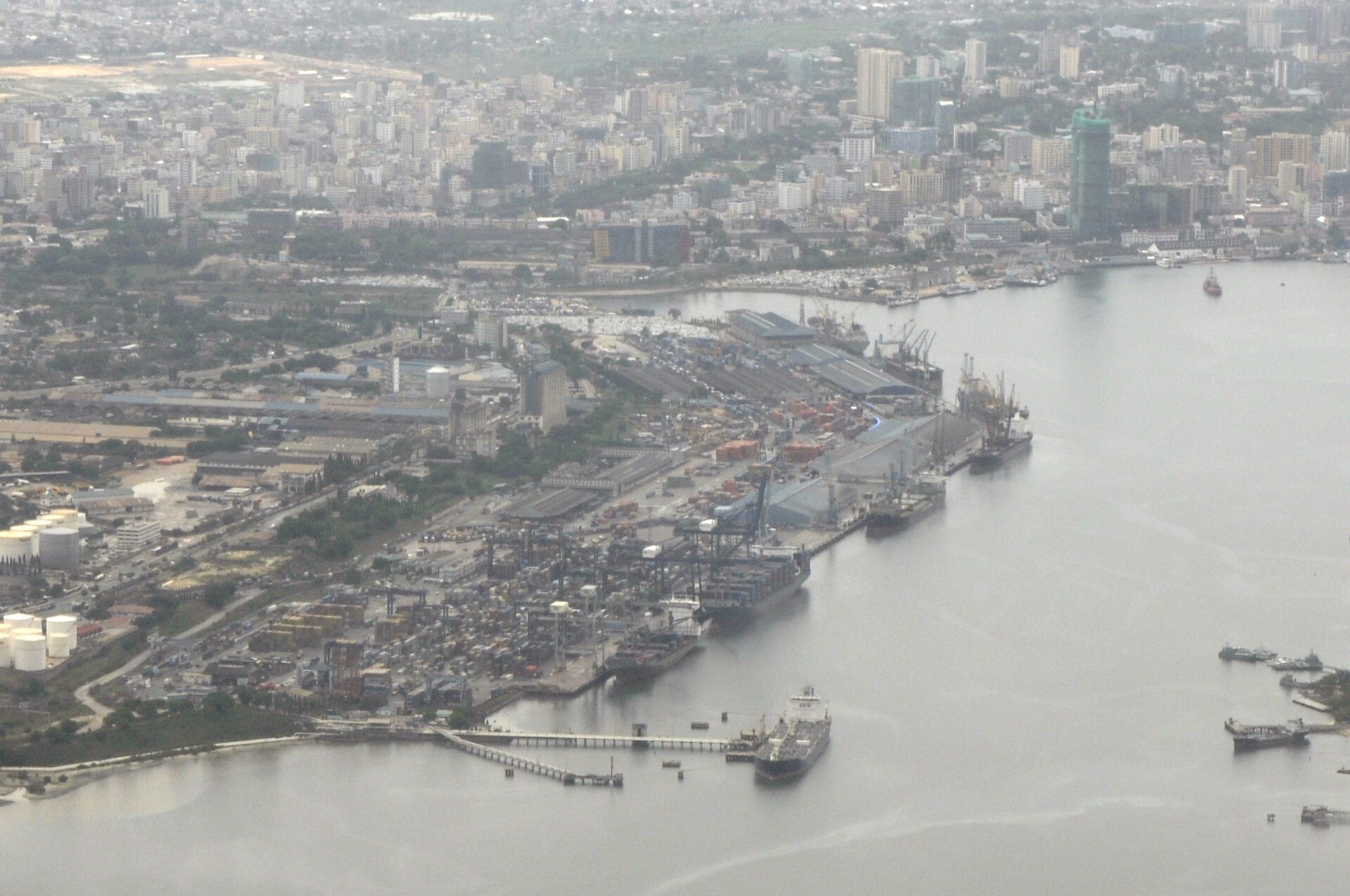
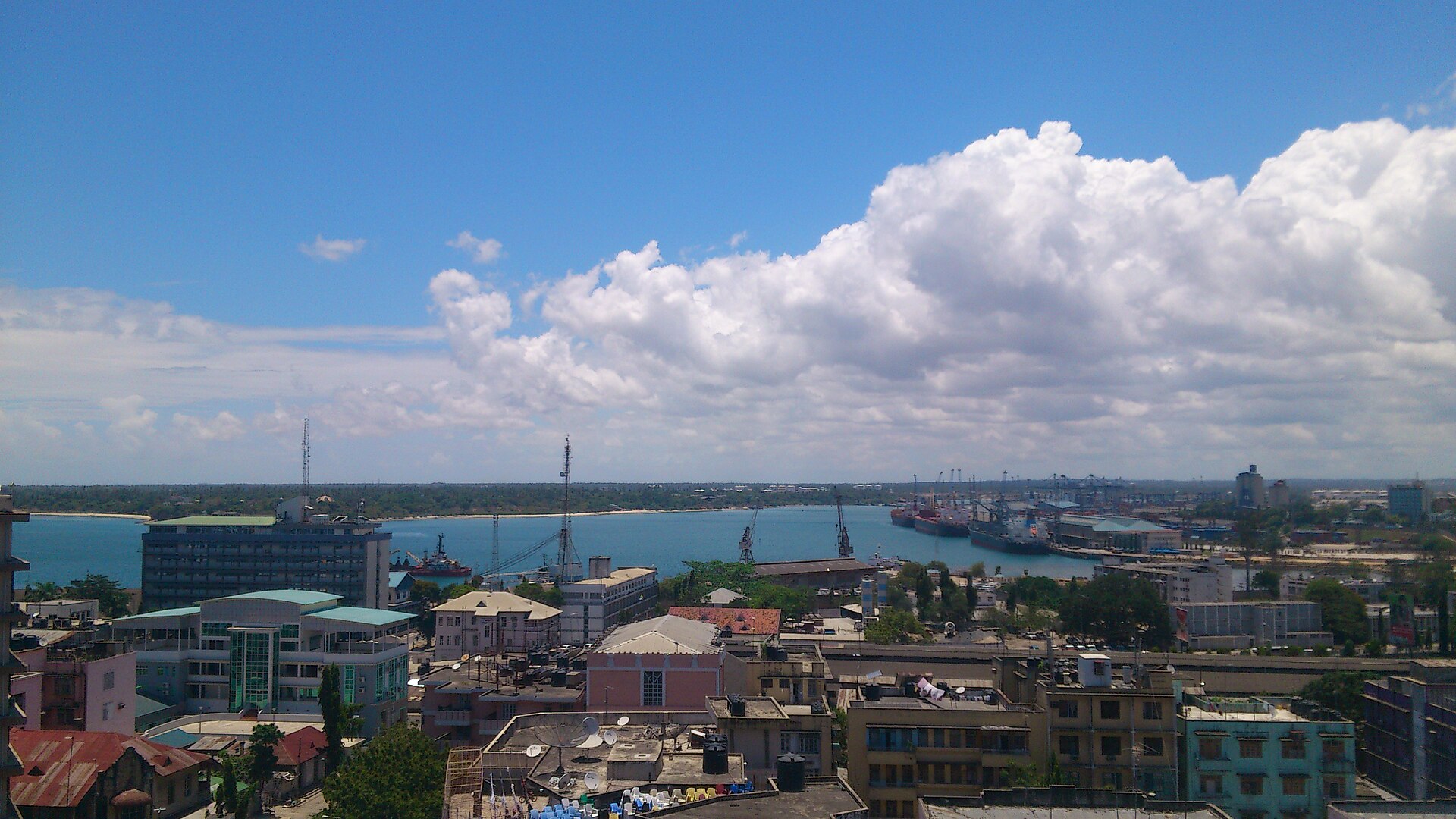
Dar es Salaam is a major Indian Ocean gateway for Tanzania and landlocked neighbours.
Because the project is strategically large and politically sensitive, any deterioration in relations with Washington could affect financing, procurement, sanctions screening and the participation of Western companies.
Mining, Energy and Investor Risk
Tanzania’s investment appeal includes graphite, nickel, rare earths, natural gas, fertiliser and tourism.
Negotiations on large projects could face further delays. These figures and timelines require confirmation from the relevant project companies, Tanzania’s investment authorities and official US filings before publication as definitive facts.
The primary risk is not that treason charges automatically stop investment. It is that they show the legal environment can change rapidly when commercial activity intersects with politics.
Investors should assess whether local partners have political exposure, whether permits or tax disputes could become politicised, and whether contracts contain enforceable international arbitration provisions. Political-risk insurance through MIGA or private providers should also be reviewed.
Port and Supply-Chain Exposure
Dar es Salaam is a critical logistics point. Protests, blockades, curfews, communications restrictions or security operations can delay cargo, customs clearance and inland transport.
The available search material claims post-election disruptions affected port throughput, but it does not provide a primary port-authority release sufficient to verify the cited percentage declines. Those claims should not be published as confirmed statistics without official data from the Tanzania Ports Authority or a company filing.
For investors, the practical response is diversification. Maintain alternative routing through Tanga or regional corridors where feasible, build larger inventory buffers for imported inputs, and review force-majeure and political-violence clauses.
Confirm the resilience of rail and road links to mining areas, and include internet and telecommunications outages in business-continuity planning. The 2025 experience showed that political risk can become an operational risk quickly, particularly in Dar es Salaam and other major urban centres.
What It Means for You
For US investors, executives and policy readers, the treason charges against Chadema leaders are not a distant legal matter. They are a signal that Tanzania’s governance premium has risen, even if the country remains orderly in ordinary circumstances.
Companies with exposure to Dar es Salaam port, mining concessions, LNG projects or regional logistics should review political-risk insurance, contract arbitration clauses and local partner screening. The risk is not that Tanzania stops being investable; it is that the legal environment can change rapidly when commercial activity intersects with politics.
For US policy readers, the central tension is clear. Washington has incentives to criticise political repression, but Tanzania controls important regional infrastructure and has major energy and mineral opportunities.
Targeted pressure may be more likely than a rupture that pushes Tanzania toward alternative partners, including Russia and China. Tanzanian authorities may calculate that the country’s economic and geographic importance limits the practical cost of Western criticism.
What Is Not Known
The available search results do not provide a verified official charge sheet, a primary US government source on aid suspension, or confirmed statistics on post-election port throughput. The alleged wording of the charges and future dates should be checked against official court records before treating them as definitive.
The current Director of Public Prosecutions, the Inspector General of Police and the chairperson of the National Electoral Commission were not verified in the available results. The individual presiding magistrate in Pambalu’s case was also not identified.
No case-specific monetary amount was reported in the available sources.
It is not known whether the High Court will narrow the use of treason to genuine attacks on the state or allow it to cover peaceful political speech and protest. That judicial choice will shape both democratic space and investor confidence.
What to Watch
The most immediate date is 6 November 2026, when Tanzania’s High Court is scheduled to deliver judgment in Tundu Lissu’s treason case. A three-judge panel concluded final submissions and set the date, according to The EastAfrican on 30 September 2026.
The charge was reported on 21–22 October 2026.
Investors should also watch for any official US government statement on aid, sanctions or visa restrictions, and for any primary data from the Tanzania Ports Authority on cargo throughput.
Related reading: Tanzania Neighbours Explained, East Africa Borders and Trade; Songwe Tanroads Manager Replacement: What Happens Next; Tanzania National Roads Agency Explained: What Tanroads Does; more from Tanzania.
Frequently Asked Questions
What are the treason charges against Chadema leaders in Tanzania?
John Pambalu was charged with treason on 21 October 2026 for allegedly intending to persuade the public to obstruct the 2025 general election and organise protests to intimidate the executive. Tundu Lissu, Chadema’s chairman, was charged with treason in April 2025 over a speech authorities interpreted as a call for rebellion.
When is Tundu Lissu’s treason verdict expected?
Tanzania’s High Court set 6 November 2026 for judgment in Lissu’s treason case after a three-judge panel concluded final submissions.
How do the treason charges affect US investors in Tanzania?
The charges raise political and legal risk for investors in Dar es Salaam port, mining and energy projects. Companies should review political-risk insurance, contract arbitration clauses, supply-chain contingency plans and local partner screening.
What is Chadema’s position on the treason charges?
Chadema deputy chair John Heche said he had been informed of Pambalu’s treason charge and warned that he expected similar treatment. He pledged that the party would continue fighting.
Who is John Pambalu?
John Pambalu is a Chadema national-council member and a former leader of the party’s youth wing. He is the second senior Chadema figure charged with treason, after party chairman Tundu Lissu.
Sources: riotimesonline.com, africanews.com, x.com, nampa.org, fr.africanews.com, abcnyheter.no. Retrieved 22 October 2026.
This article was produced by The Rio Times’ automated newsroom system. How we use AI · Report an error · Editorial responsibility: Matthias Camenzind, Editor-in-Chief
Part of our ongoing coverage
Africa: The New Scramble — the great-power contest over the continent.