Submarine Cable Disruptions Threaten East Africa’s Connectivity
Recent disruptions to undersea cables have highlighted the vulnerability of East Africa’s internet infrastructure, with several countries experiencing significant outages.
This incident, marking the third major disruption this year, affected internet users across Kenya, Uganda, Tanzania, Rwanda, Mozambique, Malawi, and Madagascar.
The disruption followed damage to the EASSy and Seacom cables.
Recovery efforts are underway, with Kenya’s communications authority signaling ongoing slow speeds and telecom operators like Safaricom seeking additional capacity from alternative cables.
Meanwhile, companies such as MTN and Telkom are also striving to minimize impacts. Tanzania endured the most severe outage, prompting the US embassy to temporarily close.
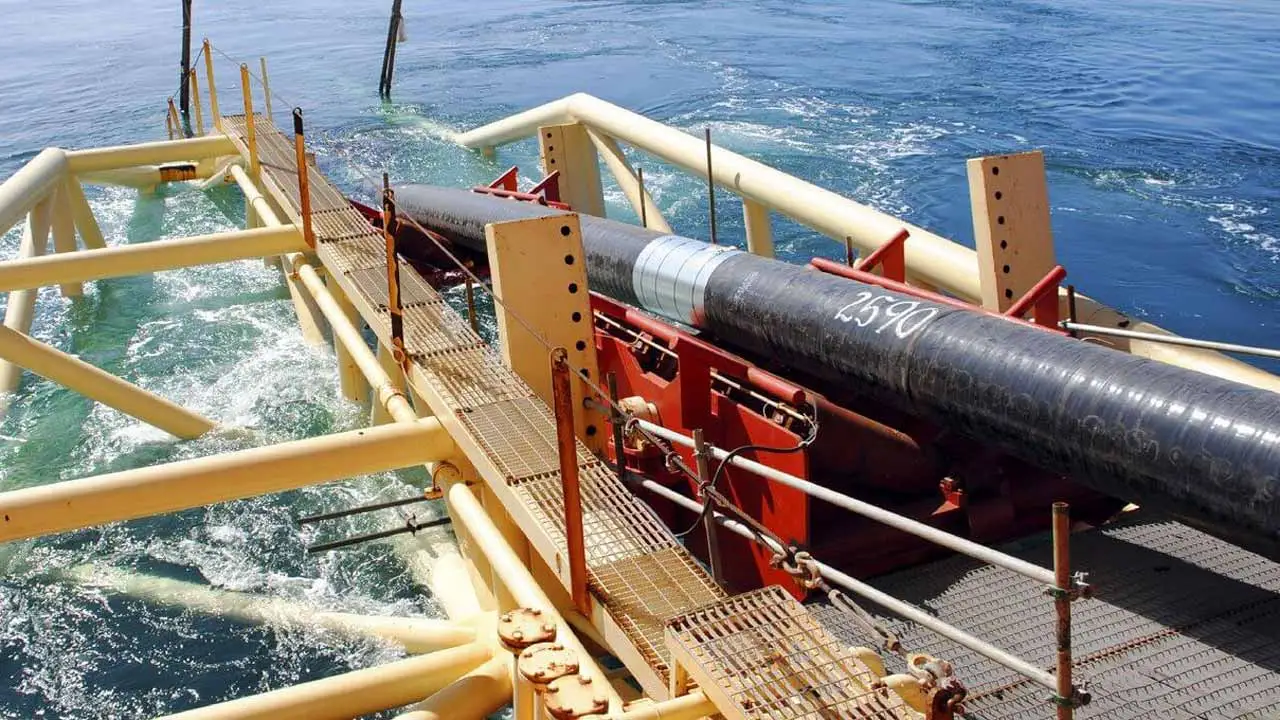
This pattern of disruption isn’t new. Similar incidents earlier in the year affected West Africa, impacting essential services like online banking and stock exchange operations.
In February, submarine cables in the Red Sea suffered damage, reportedly due to a cargo ship incident involving the Yemen-based Houthi rebel group, complicating repair efforts due to regional tensions.
Repairs of the EASSy and Seacom cables could take weeks, influenced by sea conditions and the damage’s extent.
Africa’s Internet Challenges
Chris Wood, CEO of the West Indian Ocean Cable Company, emphasized the repair complexities.
These outages underline Africa’s increasing reliance on the Internet for economic and daily activities. Projections suggest the internet economy could hit $180 billion by 2025.
The frequent disruptions underscore the urgent need for improved resilience in internet infrastructure across the continent.
East Africa, despite its progress in regional integration, lacks a cohesive emergency telecom framework.
Experts like Bright Simons from the IMANI Center for Policy and Education advocate for a regional contingency plan to ensure quicker, more coordinated responses to such crises.
While new submarine cable projects by Google and Meta aim to enhance capacity, integrating these infrastructures effectively within national and regional frameworks remains crucial.
This integration is essential for ensuring long-term stability and access.
As Africa moves to solidify its digital economy, building robust and resilient internet infrastructure becomes essential.
This infrastructure is crucial for safeguarding the region’s connectivity and supporting its continued growth.
More: Kenya news in English, every day from The Rio Times.
This article was produced by The Rio Times’ automated newsroom system. How we use AI · Report an error
Part of our ongoing coverage
Africa: The New Scramble — the great-power contest over the continent.
Read More from The Rio Times