Spanish Residents Increasingly View Tourism as a Nuisance
Cities like Málaga and the Canary Islands are experiencing large protests due to mass tourism’s impact on local housing markets.
This weekend, housands are demonstrating against rising housing costs, which are making homes unaffordable for locals.
In Málaga, protestors on June 29th voiced their frustrations with banners stating, “Ban tourist housing” and “Salary €1,300, rent €1,100, how to live?”
Organized by fifty local associations, the protest aimed to highlight the city’s tourist appeal and the consequent surge in short-term rentals, escalating property values and rents.
With 570,000 locals, Málaga is a top tourist destination, featuring 39,000 homes listed for tourist use—the highest in Spain. In 2022, tourism spiked by 56%, drawing 8.3 million visitors.
Meanwhile, the Canary Islands are echoing similar concerns. Tenerife’s residents called for a cap on tourist numbers to manage the short-term rental market and hotel constructions.
Hosting nearly 14 million tourists in 2023, the 2.2 million residents find housing increasingly unaffordable.
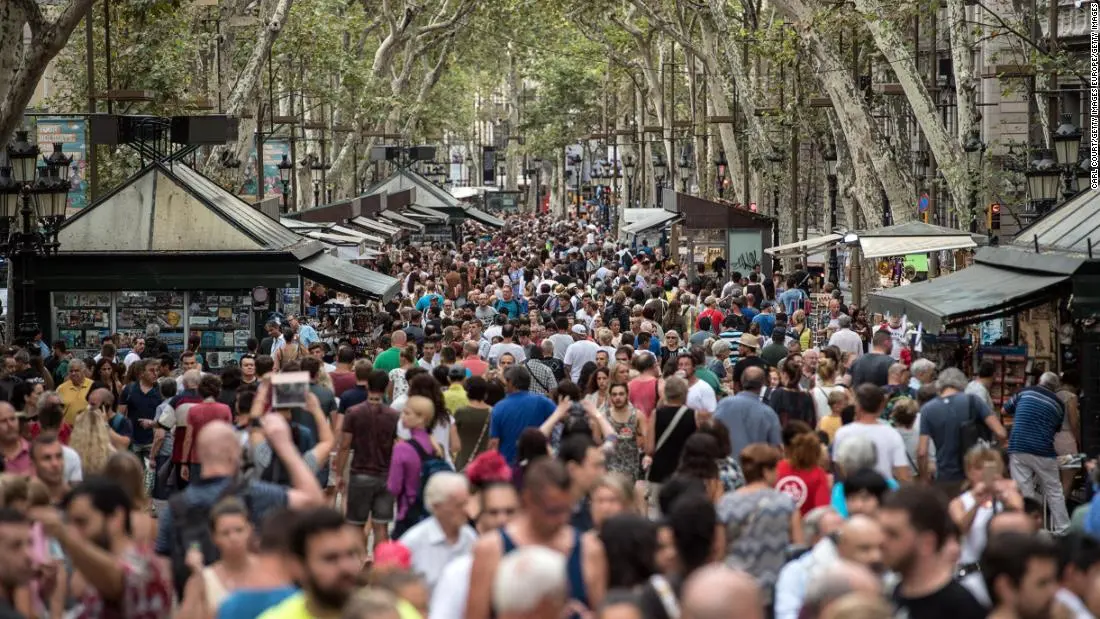
Globally, cities are struggling with overtourism’s adverse effects. In Venice, Barcelona, and Lisbon, the influx of tourists often outweighs economic gains with heightened living costs and displacement of locals.
Measures are being implemented worldwide to tackle these challenges.
Spanish Residents Increasingly View Tourism as a Nuisance
For example, Fujikawaguchiko, Japan, installed barriers to control tourist access to popular spots like Mount Fuji. This aims to lessen crowd-related environmental damage.
In Japan, differential pricing for locals and tourists at attractions and eateries is being tested to manage overtourism and increase revenue.
For instance, a Tokyo seafood restaurant charges tourists $44 and locals $38 for the same meal.
Himeji Castle plans to raise entrance fees for foreigners significantly while keeping them low for Japanese residents.
These global and local actions reflect the urgent need to balance tourism’s economic benefits with the well-being of local communities.
Advocating for sustainable tourism practices and thoughtful regulation is essential to protect residents.
This article was drafted with automated assistance and reviewed before publication. How we use AI · Report an error
Read More from The Rio Times