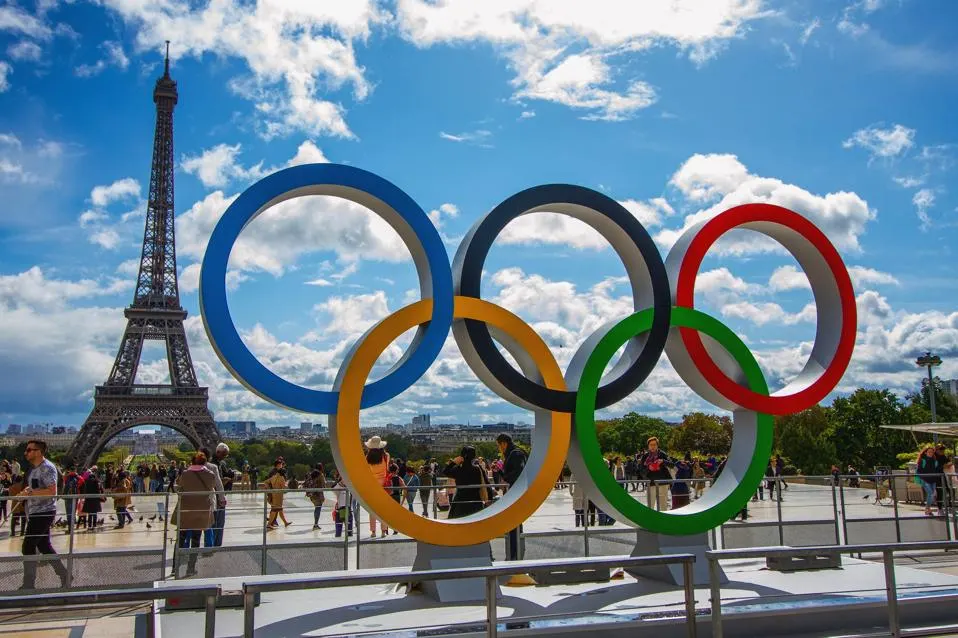
As the 2024 Olympics approach, tourists are showing decreased interest in visiting Paris this summer.
This trend is evident in reduced travel bookings and unsold hotel rooms, significantly impacting local businesses.
Eurostar cut fares by a third for London-Paris routes, responding to fewer British travelers. Airfares to Paris also dropped.
Despite these reductions, almost half of Paris hotels remain unsold during the Games. Air France-KLM forecasts a $160 million revenue loss due to postponed travel by French tourists.
Social media influencers are also discouraging visits to Paris. They highlight transportation chaos, high prices, crowded areas, and bedbug infestations, affecting millions and dissuading visitors.
Concerns are not without precedent. During the 2012 London Olympics, the expected influx of spectators did not compensate for the regular tourists who avoided the city.
London saw a 40% drop in activity at hotels, restaurants, and cultural sites.
Similarly, Rio’s 2016 Olympics initially boosted visitor numbers but struggled to maintain growth post-Games, leaving new infrastructure underutilized.
Paris 2024 aims to be sustainable and inclusive, focusing on gender balance and environmental responsibility.
Yet, the current sentiment among tourists and locals suggests a cautious approach to the expected visitor influx and potential disruptions.
Navigating Tourism and the Olympics
These developments matter because the Olympics traditionally bring global attention and economic boosts to host cities.
However, the concerns and realities of managing such a massive event can lead to a complex relationship with regular tourism.
Understanding this dynamic is crucial for future host cities planning to balance local needs with international expectations.
In summary, the Olympics promise significant global exposure and potential economic benefits.
However, the current trends in Paris highlight the challenges of managing tourism effectively during such events.
This situation underscores the importance of strategic planning to ensure that the benefits of hosting the Olympics extend beyond the Games themselves.
This article was produced by The Rio Times’ automated newsroom system. How we use AI · Report an error
Read More from The Rio Times