Spain’s Campaign Heats Up as Polls Split
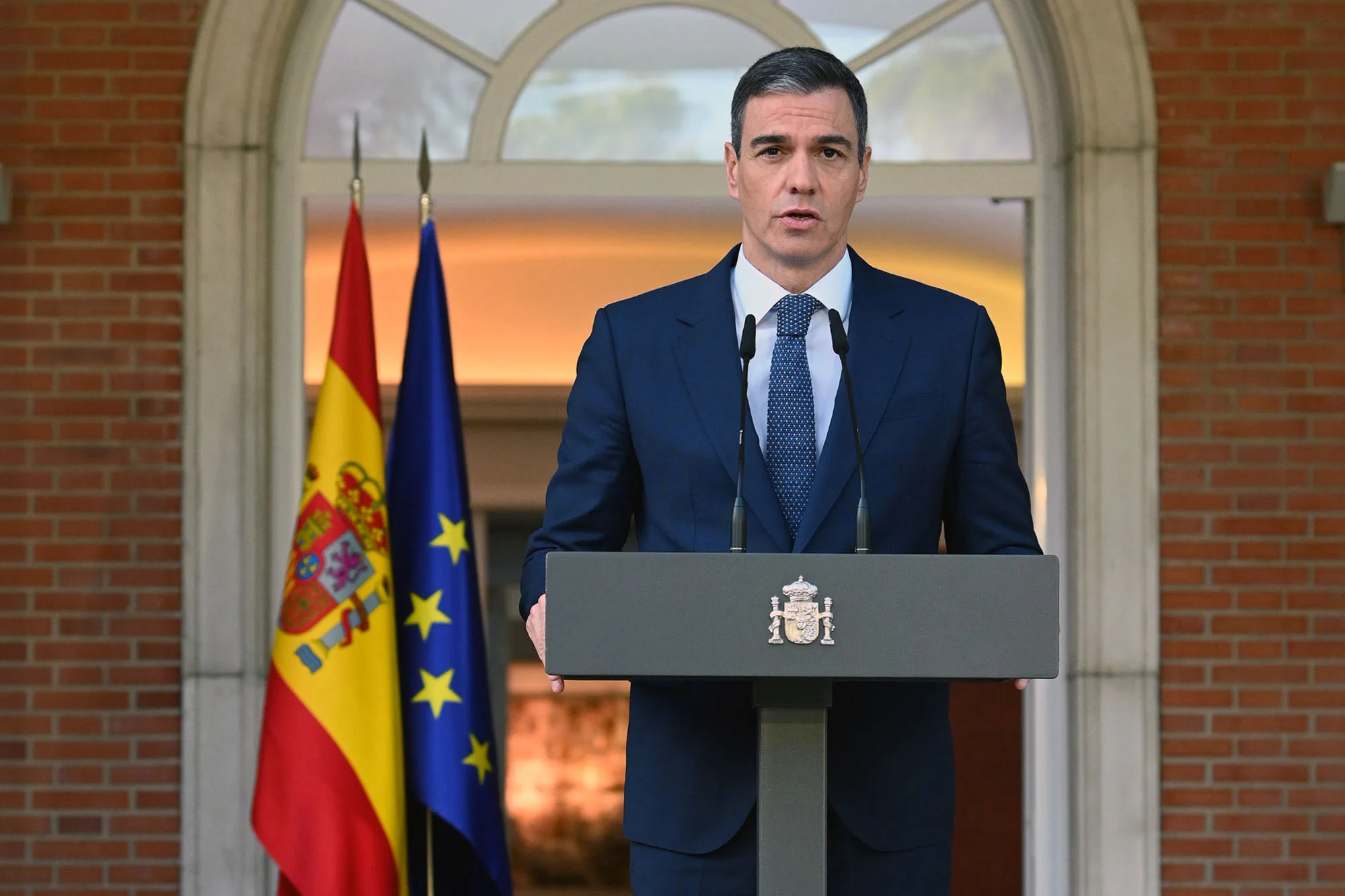
Spain’s main parties stepped up campaigning over the weekend of 23 to 25 October 2026, five weeks before the general election on 29 November, as our Spain Election 2026 dossier tracks. Opposition leader Alberto Núñez Feijóo promised a smaller state in Valencia on Friday, while polls disagree sharply on who leads.
A private poll published on Friday puts the conservative People’s Party narrowly ahead. The state-run Centre for Sociological Research (CIS) still shows the governing Socialists well in front.
Key Facts
- Vote: Spain votes on Sunday, 29 November; the official campaign runs 13 to 27 November.
- Polls: IMOP, a private pollster, has the People’s Party (PP) first at 28.5%; the state-run CIS has the Socialists (PSOE) on 34.0%.
- Prediction markets: Kalshi, a US exchange regulated by the CFTC (the Commodity Futures Trading Commission), priced Feijóo at 82% to be prime minister (25 October, 5:52 p.m. ET).
- Unknown: Spain’s Supreme Court has yet to rule on 163,000 disputed overseas voter registrations.
This story is part of our coverage of the Spain Election 2026. Dates, times and how to follow it are in our guide.
Campaign Events
Alberto Núñez Feijóo, leader of the conservative People’s Party (PP), told supporters in Valencia on Friday, 23 October, that a PP government would shrink the state. He also promised to exempt minimum-wage earners from the personal income tax, known as IRPF.
Pedro Sánchez, the Socialist (PSOE) prime minister, recorded a video message defending his anti-war position at Madrid’s Reina Sofía, the national art museum, on Saturday, 24 October. Santiago Abascal, leader of the conservative Vox party, told a rally in Palma the same day to stay on “maximum alert” on 29 November and spoke of possible electoral fraud; the reports we reviewed offered no evidence of any.
On Saturday in Barcelona, the left-wing Podemos party and the Catalan Republican Left (ERC) presented an electoral pact. Podemos is to stay off the Catalan ballot, while ERC’s Gabriel Rufián campaigns for the arrangement elsewhere in Spain; it is a pact, not a coalition.
A Polling Divide
IMOP, a Spanish polling firm, published a survey on 23 October. It put the PP at 28.5%, the PSOE at 27.1% and Vox at 20.0%, and projected 123 seats for the PP, 113 for the PSOE and 72 for Vox in the 350-seat Congress of Deputies.
IMOP’s reading is the latest private poll we could verify, and we cannot confirm a polling average from the sources available, so we do not quote one.The CIS survey, taken on 1 to 6 October and published on 14 October, differs sharply.
It shows the PSOE at 34.0%, the PP at 22.2%, Vox at 17.1% and the left-wing Sumar-Frente Amplio alliance at 6.1%, from more than 5,000 interviews.
What Prediction Markets Say
On Kalshi’s market “Prime Minister of Spain after the next election?”, traders priced Alberto Núñez Feijóo at 82%, Pedro Sánchez at 18% and Santiago Abascal at 6% on 25 October at 5:52 p.m. ET. Kalshi is regulated in the US by the CFTC, the Commodity Futures Trading Commission, and about 23,951 contracts had traded.
Vox is a right-wing party and the PP’s likely partner. The prices come from separate contracts, so they need not add to 100%.
These prices are bets, not polls, and can move quickly as new information emerges.
Why we show this: prediction markets turn real-money bets into a live probability that moves within minutes of the news, which is why investors, campaigns and newsrooms in the United States now follow them closely. We show them next to polls and official results, never instead of them.
Election Timetable
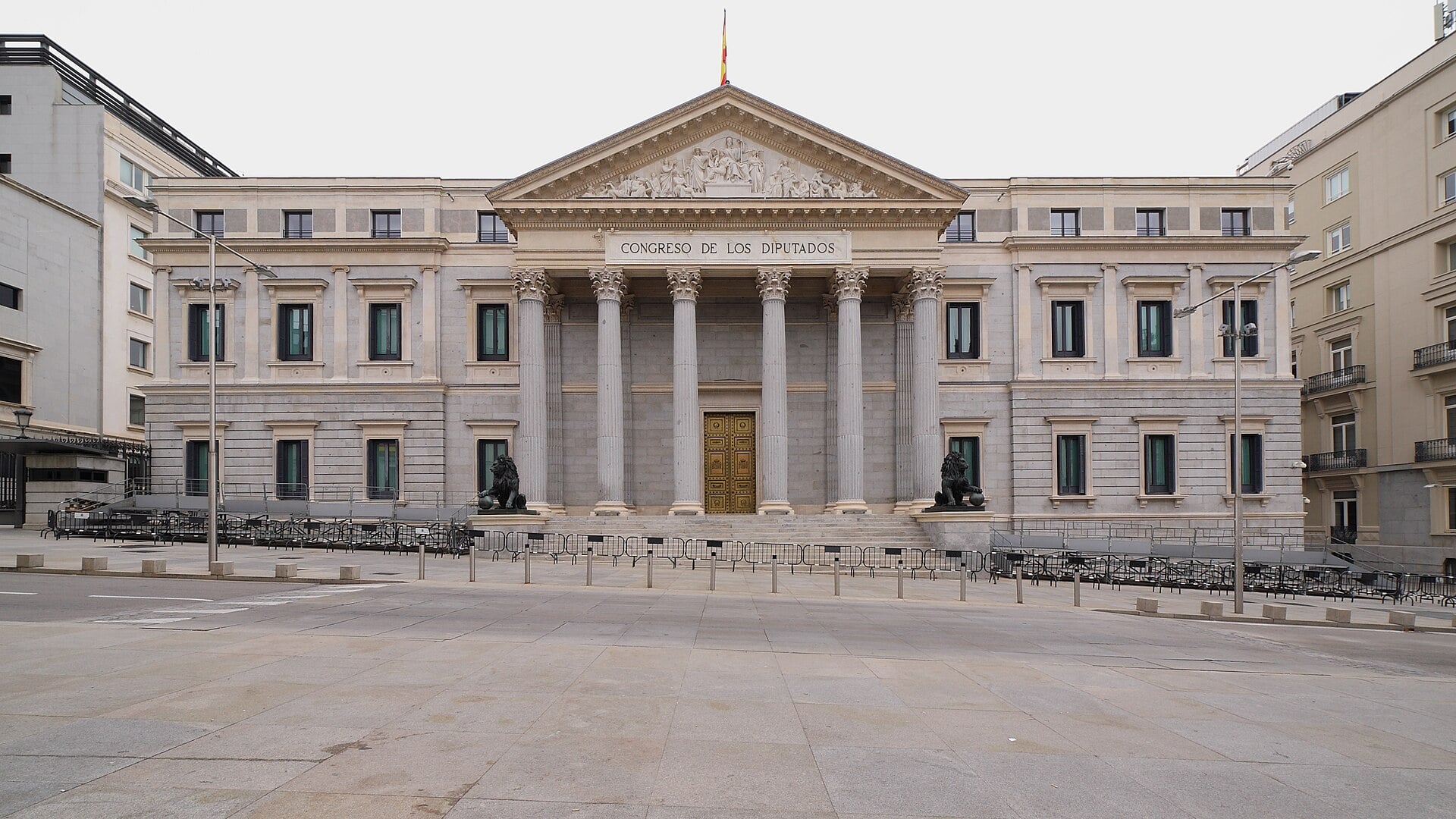
The vote covers both chambers of parliament, the Congress of Deputies and the Senate. The sources we checked give no polling-station hours and no new Senate projection.
Institutional Uncertainty
The main open legal question is the status of about 163,000 disputed overseas voter registrations. The Constitutional Court reportedly declined to admit an appeal from the Ombudsman, the state’s rights watchdog, as premature, which leaves the Supreme Court to decide whether the registrations can affect the November vote.
The politics rest on the gap between private polls and the CIS, which puts the Socialists nearly 12 points ahead of the PP (34.0% to 22.2%). The IMOP poll shows the opposite order, with the PP slightly ahead.
What It Means For US Readers
For US investors and policy watchers, the 29 November vote will decide whether a PP-led government, possibly leaning on Vox, a right-wing party, replaces Sánchez’s Socialist-led coalition. That could shift Spain’s stance on European Union fiscal rules, energy policy and ties with Washington.
Markets and the latest private poll lean towards the right, but the CIS shows how far that picture could still change.
What Is Not Known
We also cannot say whether private polls or the CIS will prove more accurate on 29 November.No new verified Senate projection is available.
Frequently Asked Questions
When is Spain’s general election?
Spain votes on Sunday, 29 November 2026, for both the Congress of Deputies and the Senate. The official campaign runs from 13 to 27 November.
Who is leading in the polls?
The latest private poll, IMOP on 23 October, puts the conservative PP narrowly ahead of the Socialist PSOE, with Vox third. The CIS survey shows the PSOE ahead by nearly 12 points.
What do prediction markets say?
On Kalshi, traders priced Feijóo at 82% to become prime minister on 25 October at 5:52 p.m. ET. These prices are bets, not polls.
Published Sunday, 25 October, 6:00 p.m. ET · Source: CIS, IMOP, Kalshi, Spanish government
This article was produced by The Rio Times’ automated newsroom system. How we use AI · Report an error · Editorial responsibility: Matthias Camenzind, Editor-in-Chief