IBOV 183,476.86 ▼ 0.27% IPSA 11,256.80 ▼ 0.38% IPC MEX 64,992.23 ▲ 1.13% MERVAL 2,893,751 ▼ 1.57% COLCAP 2,584.72 ▼ 0.95% BVL PERÚ 59,934.37 ▲ 1.27% USD/BRL5.19▼ 0.12% USD/MXN17.68▼ 0.27% USD/CLP960.63▼ 0.27% USD/COP3,293▲ 0.20% USD/PEN3.39▼ 0.67% USD/ARS1,525▲ 0.30% USD/UYU40.21▲ 3.50% USD/PYG5,870▲ 2.23% USD/BOB12.17▲ 2.05% USD/DOP59.35▲ 0.25% USD/CRC450.87▲ 2.53% USD/GTQ7.64▲ 3.22% USD/HNL26.85▲ 0.31% USD/NIO36.62— 0.00% USD/VES853.52▼ 0.13% USD/PAB1.00— 0.00% USD/BZD2.00— 0.00% USD/JMD 157.28 — 0.00% USD/TTD6.77▲ 2.72% EUR/BRL5.91▲ 0.63% BRENT 88.88 ▼ 0.03% WTI 83.11 ▼ 0.11% IRON ORE 161.91 — — COPPER 6.61 ▲ 0.03% GOLD 4,461 ▲ 1.78% SILVER 65.59 ▲ 1.26% SOY 1,184 ▲ 3.20% CORN 480.50 ▲ 10.02% WHEAT 655.00 ▲ 3.93% COFFEE 317.25 ▼ 5.51% SUGAR 16.43 ▼ 1.79% ORANGE JUICE 138.55 ▼ 0.47% COTTON 85.03 ▲ 2.33% COCOA 5,719 ▲ 3.18% BEEF 223.60 ▼ 3.93% CATTLE 339.10 ▼ 3.16% LITHIUM 75.20 ▲ 1.47% PETR4 41.64 ▼ 0.05% VALE3 72.97 ▲ 0.83% ITUB4 38.60 ▼ 1.03% BBDC4 16.85 ▲ 0.36% ABEV3 14.89 ▼ 0.80% BBAS3 19.37 ▲ 0.47% B3SA3 14.26 ▼ 0.21% WEGE3 47.59 ▲ 0.49% PRIO3 59.14 ▼ 0.19% SUZB3 41.33 ▲ 2.35% RENT3 34.68 ▼ 0.09% AZZA3 15.89 ▼ 2.63% CSAN3 3.22 ▼ 1.83% RAIZ4 0.25 — 0.00% PCAR3 2.75 ▼ 0.36% GMAT3 3.65 ▼ 1.08% PSSA3 48.13 ▼ 0.54% CVCB3 1.33 ▼ 2.92% POSI3 3.36 ▲ 2.44% SLCE3 13.34 ▲ 0.30% NATU3 8.14 ▼ 0.73% IBOV 183,476.86 ▼ 0.27% IPSA 11,256.80 ▼ 0.38% IPC MEX 64,992.23 ▲ 1.13% MERVAL 2,893,751 ▼ 1.57% COLCAP 2,584.72 ▼ 0.95% BVL PERÚ 59,934.37 ▲ 1.27% USD/BRL 5.16 ▲ 0.01% USD/MXN 17.06 ▼ 0.24% USD/CLP 913.98 ▲ 0.04% USD/COP 3,140 ▲ 0.03% USD/PEN 3.36 ▼ 0.66% USD/ARS 1,493 ▲ 0.10% USD/UYU 40.27 ▲ 1.24% USD/PYG 5,939 ▲ 1.68% USD/BOB 11.64 ▼ 0.76% USD/DOP 58.34 ▲ 1.25% USD/CRC 445.92 ▲ 0.89% USD/GTQ 7.62 ▲ 2.21% USD/HNL 26.79 ▲ 1.57% USD/NIO 36.62 ▲ 0.69% USD/VES 762.44 ▼ 0.13% USD/PAB 1.00 — 0.00% USD/BZD 2.00 — 0.00% USD/JMD 157.28 — 0.00% USD/TTD 6.70 ▲ 0.61% EUR/BRL 5.95 ▲ 1.01% BRENT 88.88 ▼ 0.03% WTI 83.11 ▼ 0.11% IRON ORE 161.91 — — COPPER 6.61 ▲ 0.03% GOLD 4,461 ▲ 1.78% SILVER 65.59 ▲ 1.26% SOY 1,184 ▲ 3.20% CORN 480.50 ▲ 10.02% WHEAT 655.00 ▲ 3.93% COFFEE 317.25 ▼ 5.51% SUGAR 16.43 ▼ 1.79% ORANGE JUICE 138.55 ▼ 0.47% COTTON 85.03 ▲ 2.33% COCOA 5,719 ▲ 3.18% BEEF 223.60 ▼ 3.93% CATTLE 339.10 ▼ 3.16% LITHIUM 75.20 ▲ 1.47% PETR4 41.64 ▼ 0.05% VALE3 72.97 ▲ 0.83% ITUB4 38.60 ▼ 1.03% BBDC4 16.85 ▲ 0.36% ABEV3 14.89 ▼ 0.80% BBAS3 19.37 ▲ 0.47% B3SA3 14.26 ▼ 0.21% WEGE3 47.59 ▲ 0.49% PRIO3 59.14 ▼ 0.19% SUZB3 41.33 ▲ 2.35% RENT3 34.68 ▼ 0.09% AZZA3 15.89 ▼ 2.63% CSAN3 3.22 ▼ 1.83% RAIZ4 0.25 — 0.00% PCAR3 2.75 ▼ 0.36% GMAT3 3.65 ▼ 1.08% PSSA3 48.13 ▼ 0.54% CVCB3 1.33 ▼ 2.92% POSI3 3.36 ▲ 2.44% SLCE3 13.34 ▲ 0.30% NATU3 8.14 ▼ 0.73%
since 2009
Sunday, September 27, 2026

South Korea’s Pension Crisis: A Ticking Time Bomb

By · October 7, 2024 · 3 min read

The LatAm Brief

One email, every weekday morning. What moved in Latin American markets, politics and expat life.

Yesterday’s subject line: “The US Army is quietly planning for Cuba”

Free. We send a confirmation link first — nothing arrives until you click it. Unsubscribe with one click in any edition. If you stop opening us for 30 days we stop sending by ourselves, as we assume the interest is no longer there. See our privacy policy. We never share your email.

South Korea faces a severe pension crisis that threatens the financial security of its rapidly aging population.

The National Pension Service (NPS), established in 1988 and now the world’s third-largest pension fund, is projected to deplete by 2055, raising alarm bells across the nation.

As of 2024, the NPS fund is valued at 1,113.5 trillion won ($834 billion). Despite this impressive sum, the Ministry of Health and Welfare projects that the fund will start running deficits by 2041.

Free daily brief — no card needed
Get every East Asia story in one morning email
We build you a personalized brief around the topics you follow — free for 7 days. Love it? Your first month after that is US$1.

Without significant changes, the fund will completely depleted by 2055. Currently, 22.38 million South Koreans contribute to the plan, while 6.82 million people aged 65 or older receive benefits.

In addition, the crisis stems from South Korea’s demographic challenges. The country’s fertility rate has plummeted to 0.72 in 2023, far below the replacement level.
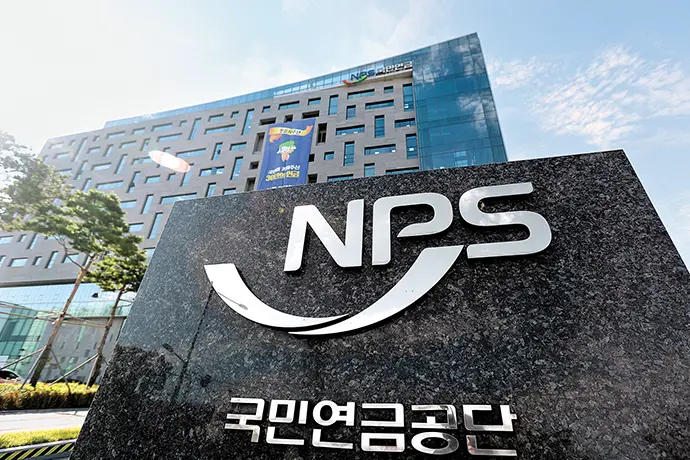
South Korea's Pension Crisis: A Ticking Time Bomb
South Korea’s Pension Crisis: A Ticking Time Bomb.
One-stop reference
Company Intelligence
Every listed company in Latin America — financials, ownership and structure for 1,450+ companies across 26 exchanges, in one place.
Browse the directory →
RT
Ask Rio Times
17 years of Latin America reporting, on demand.
Open the full Ask Rio Times →

By 2050, projections suggest there will be only one working-age adult for every retiree in South Korea. This dire situation has left many workers anxious about their retirement prospects.

A 35-year-old office worker in Seoul voiced his concerns, wondering if he would need to work indefinitely. The projected collapse of the pension system coincides with his eligibility for retirement benefits at age 65.

President Yoon Suk Yeol has proposed significant reforms to address the crisis:

  1. Raising the contribution rate from 9% to 13% of income.
  2. Increasing the income replacement rate from 40% to 42%.
  3. Implementing an automatic stabilization mechanism to adjust benefits based on demographic and economic factors.
  4. Extending credit benefits for individuals who have children or complete military service.
  5. Increasing the basic pension for older people to 400,000 won per month by 2027.
  6. Improving investment returns of the NPS fund from 4.5% to 5.5% in long-term returns.
  7. Potentially adjusting the retirement age, which is currently set at 62, below the OECD average of 64.

However, these reforms face significant challenges. Political resistance is strong, with both ruling and opposition parties disagreeing on the extent of necessary changes.

South Korea’s Pension System

Presidents serve five-year terms and often prioritize short-term goals over long-term planning, leading to a lack of meaningful debate about the pension system’s future.

Public skepticism is also high, particularly among young South Koreans. A 29-year-old startup employee believes that investing in high-yield financial products would be more secure than relying on the pension fund.

However, this sentiment reflects growing distrust in the system’s ability to provide for future retirees. The current system already struggles to support retirees adequately.

In 2012, the average family received only 838,000 won ($635) per month in pension benefits. About 40% of South Koreans aged 66 and older live in relative poverty, according to OECD data.

South Korea has reformed its pension system twice in recent history. In 1998, the retirement age was gradually increased from 60 to 65.

In 2007, authorities reduced the pension replacement rate to 40% of pre-retirement income. Despite these changes, the system remains under threat.

As South Korea races against time, the stakes couldn’t be higher. The financial security of millions hangs in the balance. Without bold action and public support, the consequences could be devastating for future generations.

The nation must find a way to balance the needs of current workers and retirees while ensuring the long-term sustainability of its pension system in the face of unprecedented demographic challenges.

This article was produced by The Rio Times’ automated newsroom system. How we use AI · Report an error

Read More from The Rio Times

The Rio Times · Power Map
See who really holds power in Latin America
Click to open the Power Map →

Rotate for Best Experience

This report is optimized for landscape viewing. Rotate your phone for the full experience.