Chile recently hosted a landmark regional security meeting to address the pervasive issue of organized crime in South America.
The event marked a significant collaborative effort to develop strategies against transnational criminal networks.
Chilean President Gabriel Boric highlighted the threats these groups pose to public safety and institutional integrity.
Officials from Argentina, Bolivia, Brazil, Colombia, Ecuador, Paraguay, Peru, Suriname, Uruguay, and Venezuela gathered in Santiago.
They discussed strategies for sharing information, enhancing border security, and creating anti-money laundering protocols.
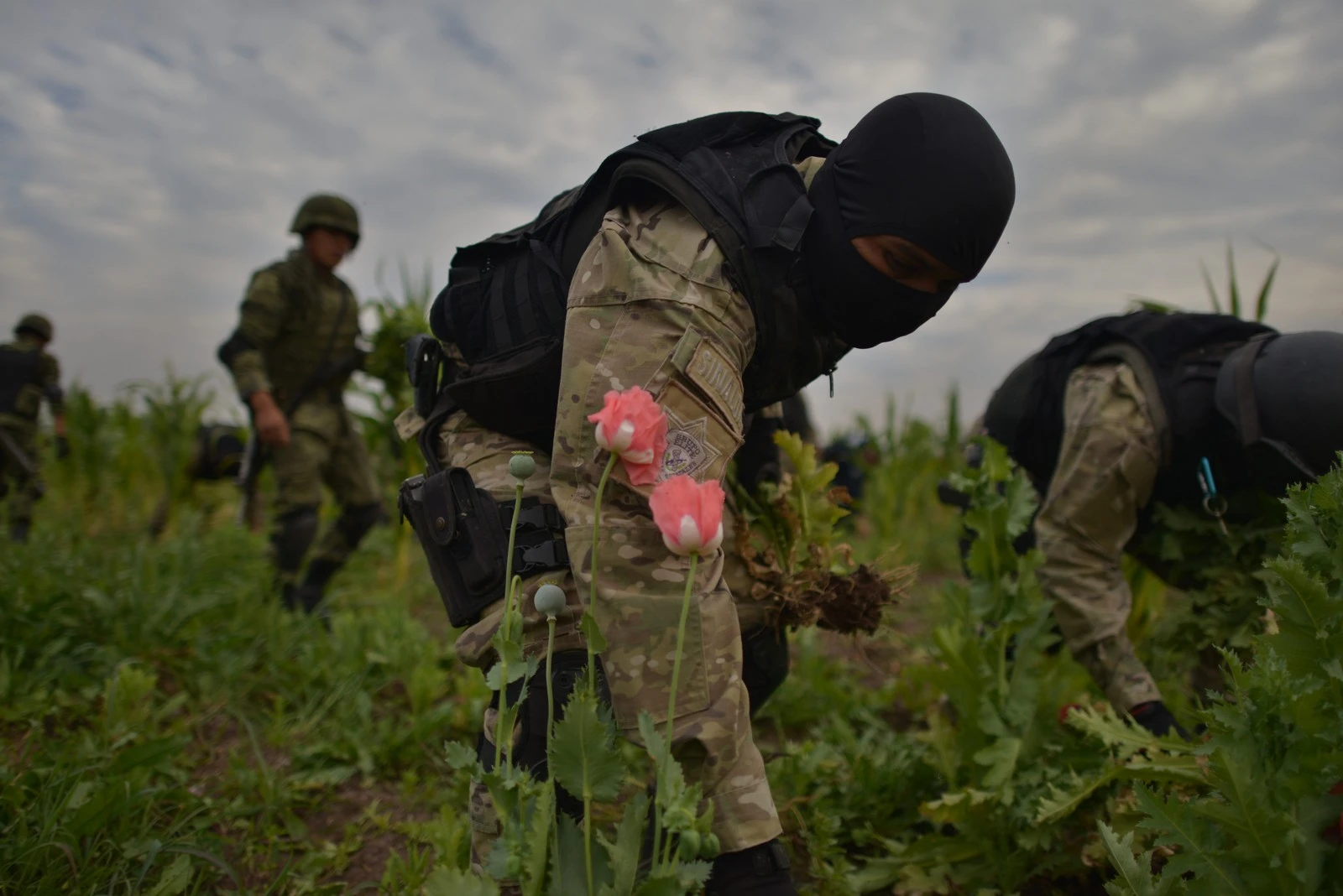
Chile’s Interior Minister, Carolina Tohá, stressed the need for countries to unite their efforts to effectively combat the trafficking of arms and drugs.
She also highlighted the importance of enhancing prison management systems to support these efforts.
The meeting was an integral part of the Brasilia Consensus, an initiative launched by Brazilian President Luiz Inácio Lula da Silva in 2023.
This initiative seeks to enhance regional dialogue and cooperation and is crucial against a backdrop of rising drug trafficking and violence.
Tohá underlined the necessity of robust security strategies to counteract the operations of criminal cartels effectively.
Foreign Minister Alberto van Klaveren concluded the summit by affirming the Brasilia Consensus as a vital tool for regional collaboration.
He stressed its role in coordinating efforts to enhance security and tackle organized crime across the continent.
This meeting not only set a precedent but also demonstrated South America’s commitment to maintaining sovereignty over its security and public order.
More: Latin America news in English, every day from The Rio Times.
This article was produced by The Rio Times’ automated newsroom system. How we use AI · Report an error
Read More from The Rio Times