South American Energy Cooperation: Brazil Welcomes Argentine Gas via Bolívia
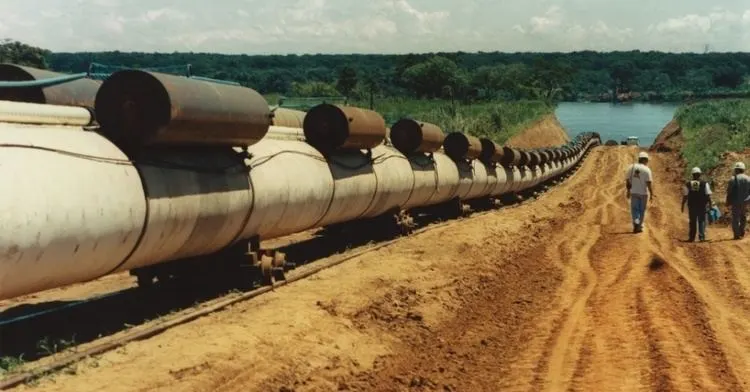
Brazil’s government recently celebrated a groundbreaking energy deal. This agreement allows Brazil to import natural gas from Argentina’s Vaca Muerta field through Bolivia. The gas will flow using existing pipelines connecting the three countries.
This development marks a significant step in South American energy integration. It stems from recent agreements between Brazil, Argentina, and Bolivia. These agreements laid the groundwork for this new energy route.
Bolivia played a crucial role by issuing a decree. This decree officially established a transit service for Argentine gas to reach Brazil. The move demonstrates Bolivia’s commitment to regional energy cooperation.
Brazil’s Minister of Mines and Energy, Alexandre Silveira, praised the deal. He emphasized its importance for Brazil’s energy security and diversification efforts. Silveira believes this cooperation will benefit both the Brazilian people and industries.
The contract involves several key players. Bolivia’s state-owned YPFB, along with TotalEnergies and Matrix Energy, signed the agreement. This partnership will facilitate the gas flow from Vaca Muerta to Brazil through Bolivia’s pipeline network.
For Brazil, this deal offers multiple advantages. It promises to boost industrial competitiveness by providing a reliable energy source at lower costs. The predictable supply of natural gas is expected to support sustainable economic growth.
South American Energy Cooperation: Brazil Welcomes Argentine Gas via Bolívia
This agreement goes beyond mere energy trade. It strengthens commercial ties between South American nations. It also reflects a shared strategic vision for regional development and cooperation.
The deal aligns with Brazil’s broader energy strategy. By diversifying its energy sources, Brazil aims to enhance its energy independence. This approach supports economic growth while promoting regional integration.
Brazil’s government views this cooperation as a win-win situation. It meets domestic energy needs while fostering stronger relationships with neighboring countries. This balanced approach aims to create mutual benefits for all parties involved.
More: Brazil news in English, every day from The Rio Times.
This article was produced by The Rio Times’ automated newsroom system. How we use AI · Report an error · Editorial responsibility: Matthias Camenzind, Editor-in-Chief
In depth