Social Media Crackdown: U.K. Considers Terror Charges for Riot Posts and Retweets
The UK government has announced potential legal actions against individuals sharing or retweeting images related to recent civil unrest.
This move has sparked discussions about a possible temporary ban on social media platforms to prevent the spread of such content.
Stephen Parkinson, the Director of Public Prosecutions, suggested that those apprehended during the unrest could face charges under terrorism laws.
He highlighted that some social media posts might promote racial hatred, with even the act of retweeting potentially landing someone in legal trouble.
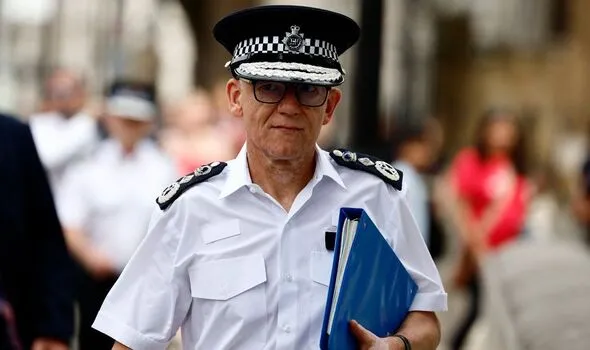
Police Commissioner Sir Mark Rowley emphasized a crackdown on “keyboard warriors,” individuals who may incite unrest online.
This approach has been criticized by some, drawing comparisons to authoritarian practices.
Elon Musk, CEO of X (formerly Twitter), likened the situation to Stasi tactics, escalating the debate.
This situation highlights the ongoing challenge of balancing public order with freedom of expression in the digital age.
Background
The UK’s longstanding policing strategy, known as “policing by consent,” is encountering new challenges amid rising societal tensions.
This method, rooted in 19th-century principles established by Prime Minister Robert Peel, emphasizes minimal force and public trust over sheer power.
Established by Peel, this philosophy advocates that police derive their power from public support, using only necessary force.
Traditionally, UK police avoid aggressive riot control techniques seen in other democracies. They use tasers and tear gas sparingly, a practice reflecting restraint and careful scrutiny.
Social Media Crackdown: U.K. Considers Terror Charges for Riot Posts and Retweets
This article was produced by The Rio Times’ automated newsroom system. How we use AI · Report an error
Read More from The Rio Times