IBOV 185,229.17 ▼ 0.41% IPSA 11,381.18 ▲ 1.30% IPC MEX 63,375.93 ▼ 0.78% MERVAL 3,021,926 ▼ 1.29% COLCAP 2,548.22 ▲ 1.05% BVL PERÚ 60,023.65 ▼ 1.13% USD/BRL5.14▲ 0.26% USD/MXN17.22▼ 0.01% USD/CLP959.00▼ 0.31% USD/COP3,175▲ 1.37% USD/PEN3.37▼ 0.10% USD/ARS1,514▲ 0.26% USD/UYU40.16▲ 2.90% USD/PYG5,906▲ 2.95% USD/BOB9.95▼ 6.56% USD/DOP58.83▲ 0.22% USD/CRC444.45▲ 2.49% USD/GTQ7.63▲ 3.03% USD/HNL26.85▲ 0.38% USD/NIO36.62— 0.00% USD/VES846.42▼ 0.13% USD/PAB1.00— 0.00% USD/BZD2.00— 0.00% USD/JMD 157.28 — 0.00% USD/TTD6.75▲ 2.57% EUR/BRL5.91▲ 0.04% BRENT 88.88 ▼ 0.03% WTI 83.11 ▼ 0.11% IRON ORE 161.91 — — COPPER 6.61 ▲ 0.03% GOLD 4,461 ▲ 1.78% SILVER 65.59 ▲ 1.26% SOY 1,184 ▲ 3.20% CORN 480.50 ▲ 10.02% WHEAT 655.00 ▲ 3.93% COFFEE 317.25 ▼ 5.51% SUGAR 16.43 ▼ 1.79% ORANGE JUICE 138.55 ▼ 0.47% COTTON 85.03 ▲ 2.33% COCOA 5,719 ▲ 3.18% BEEF 223.60 ▼ 3.93% CATTLE 339.10 ▼ 3.16% LITHIUM 75.20 ▲ 1.47% PETR4 41.64 ▼ 0.05% VALE3 72.97 ▲ 0.83% ITUB4 38.60 ▼ 1.03% BBDC4 16.85 ▲ 0.36% ABEV3 14.89 ▼ 0.80% BBAS3 19.37 ▲ 0.47% B3SA3 14.26 ▼ 0.21% WEGE3 47.59 ▲ 0.49% PRIO3 59.14 ▼ 0.19% SUZB3 41.33 ▲ 2.35% RENT3 34.68 ▼ 0.09% AZZA3 15.89 ▼ 2.63% CSAN3 3.22 ▼ 1.83% RAIZ4 0.25 — 0.00% PCAR3 2.75 ▼ 0.36% GMAT3 3.65 ▼ 1.08% PSSA3 48.13 ▼ 0.54% CVCB3 1.33 ▼ 2.92% POSI3 3.36 ▲ 2.44% SLCE3 13.34 ▲ 0.30% NATU3 8.14 ▼ 0.73% IBOV 185,229.17 ▼ 0.41% IPSA 11,381.18 ▲ 1.30% IPC MEX 63,375.93 ▼ 0.78% MERVAL 3,021,926 ▼ 1.29% COLCAP 2,548.22 ▲ 1.05% BVL PERÚ 60,023.65 ▼ 1.13% USD/BRL 5.16 ▲ 0.01% USD/MXN 17.06 ▼ 0.24% USD/CLP 913.98 ▲ 0.04% USD/COP 3,140 ▲ 0.03% USD/PEN 3.36 ▼ 0.66% USD/ARS 1,493 ▲ 0.10% USD/UYU 40.27 ▲ 1.24% USD/PYG 5,939 ▲ 1.68% USD/BOB 11.64 ▼ 0.76% USD/DOP 58.34 ▲ 1.25% USD/CRC 445.92 ▲ 0.89% USD/GTQ 7.62 ▲ 2.21% USD/HNL 26.79 ▲ 1.57% USD/NIO 36.62 ▲ 0.69% USD/VES 762.44 ▼ 0.13% USD/PAB 1.00 — 0.00% USD/BZD 2.00 — 0.00% USD/JMD 157.28 — 0.00% USD/TTD 6.70 ▲ 0.61% EUR/BRL 5.95 ▲ 1.01% BRENT 88.88 ▼ 0.03% WTI 83.11 ▼ 0.11% IRON ORE 161.91 — — COPPER 6.61 ▲ 0.03% GOLD 4,461 ▲ 1.78% SILVER 65.59 ▲ 1.26% SOY 1,184 ▲ 3.20% CORN 480.50 ▲ 10.02% WHEAT 655.00 ▲ 3.93% COFFEE 317.25 ▼ 5.51% SUGAR 16.43 ▼ 1.79% ORANGE JUICE 138.55 ▼ 0.47% COTTON 85.03 ▲ 2.33% COCOA 5,719 ▲ 3.18% BEEF 223.60 ▼ 3.93% CATTLE 339.10 ▼ 3.16% LITHIUM 75.20 ▲ 1.47% PETR4 41.64 ▼ 0.05% VALE3 72.97 ▲ 0.83% ITUB4 38.60 ▼ 1.03% BBDC4 16.85 ▲ 0.36% ABEV3 14.89 ▼ 0.80% BBAS3 19.37 ▲ 0.47% B3SA3 14.26 ▼ 0.21% WEGE3 47.59 ▲ 0.49% PRIO3 59.14 ▼ 0.19% SUZB3 41.33 ▲ 2.35% RENT3 34.68 ▼ 0.09% AZZA3 15.89 ▼ 2.63% CSAN3 3.22 ▼ 1.83% RAIZ4 0.25 — 0.00% PCAR3 2.75 ▼ 0.36% GMAT3 3.65 ▼ 1.08% PSSA3 48.13 ▼ 0.54% CVCB3 1.33 ▼ 2.92% POSI3 3.36 ▲ 2.44% SLCE3 13.34 ▲ 0.30% NATU3 8.14 ▼ 0.73%
since 2009
Sunday, September 20, 2026

Navigating Unrest: The UK’s Policing Code at a Crossroads

By · August 9, 2024 · 2 min read

The LatAm Brief

One email, every weekday morning. What moved in Latin American markets, politics and expat life.

Yesterday’s subject line: “Bolivia's 83% fuel shock, hours after the IMF loan”

Free. We send a confirmation link first — nothing arrives until you click it. Unsubscribe with one click in any edition. If you stop opening us for 30 days we stop sending by ourselves, as we assume the interest is no longer there. See our privacy policy. We never share your email.

The UK’s longstanding policing strategy, known as “policing by consent,” is encountering new challenges amid rising societal tensions.

This method, deeply ingrained since the 19th century by Prime Minister Robert Peel, focuses on minimal force and public trust rather than sheer power.”Policing by consent” forms the backbone of the UK’s approach to law enforcement.

Established by Peel, this philosophy advocates that police derive their power from public support, using only necessary force.

For nearly two centuries, this model has shaped how officers interact within communities, promoting a sense of mutual respect and cooperation.

Traditionally, UK police avoid aggressive riot control techniques seen in other democracies. They use tasers and tear gas sparingly, a practice reflecting restraint and careful scrutiny.
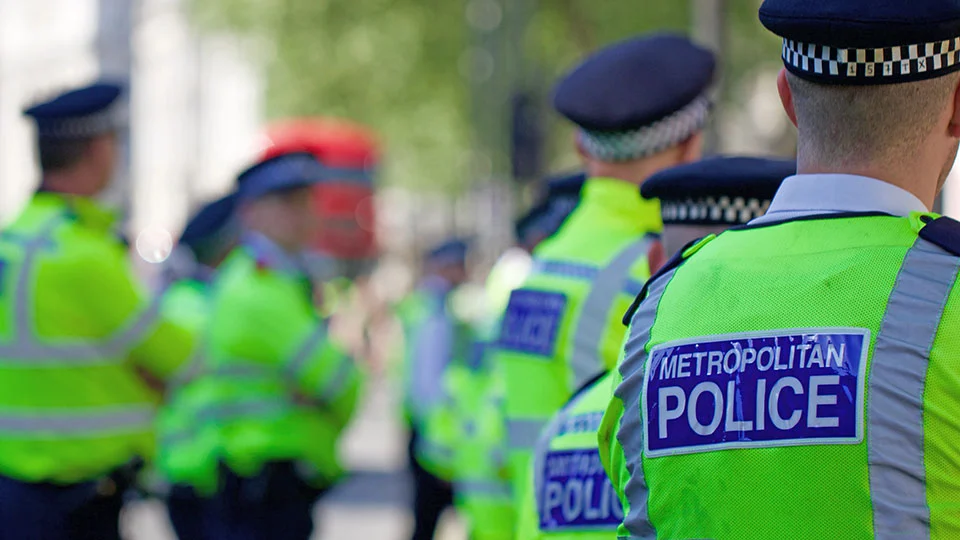
Navigating Unrest: The UK's Policing Code at a Crossroads
Navigating Unrest: The UK’s Policing Code at a Crossroads.
One-stop reference
Company Intelligence
Every listed company in Latin America — financials, ownership and structure for 1,450+ companies across 26 exchanges, in one place.
Browse the directory →
RT
Ask Rio Times
17 years of Latin America reporting, on demand.
Open the full Ask Rio Times →

However, recent violent clashes, notably in Southport following the tragic murder of three young girls, have pressured this approach.

Prime Minister Keir Starmer’s response was to create a “standing army” of 6,000 public order specialists. This decision, while signaling readiness, does not necessarily indicate a shift toward harsher methods.

In the UK, ordinary officers manage riot situations, not specialized units. This contrasts sharply with countries like France and underscores a key principle: police are not just enforcers but community members.

Although riots are infrequent in the UK, when they do occur, police tactics focus on de-escalation and intelligence gathering. This approach aims to preserve community trust rather than relying on immediate force.

Balancing Tradition and Modern Challenges

Despite the success of this gentle approach, voices like Kevin Moore, former Sussex Police chief, call for adopting tougher measures like those used by other European forces.

The debate intensified when London’s Metropolitan Police acquired water cannons following the 2011 riots.

However, their use was vetoed by then-Interior Minister Theresa May, who raised concerns about potential harm and undermining the consent-based policing ethos.

The discussion on whether to maintain traditional methods or adapt to newer, potentially more forceful tactics is ongoing.

The challenge lies in balancing the need to preserve public trust with the necessity of effectively managing increasing unrest.

The UK’s policing philosophy faces a critical test: evolving while retaining its core principles in an age of complex social dynamics.

The outcome of this debate will crucially influence both public safety and the relationship between the police and the communities they serve.

How the UK navigates these waters will set a precedent for the future of its law enforcement strategies.

This article was produced by The Rio Times’ automated newsroom system. How we use AI · Report an error

Read More from The Rio Times

The Rio Times · Power Map
See who really holds power in Latin America
Click to open the Power Map

Rotate for Best Experience

This report is optimized for landscape viewing. Rotate your phone for the full experience.