Shifting Tides: U.S. and Brazil’s Dominance in Mexico’s Chicken Import Market
In the dynamic landscape of global poultry trade, Mexico’s chicken import market is witnessing significant changes.
The United States Department of Agriculture (USDA) projects a slight decline in Mexico’s chicken imports for 2024, despite the continued dominance of US and Brazilian suppliers.
The USDA forecasts Mexico’s chicken imports to reach 960,000 metric tons in 2024, a 4.6% decrease from 2023.
This decline comes after a period of substantial growth, with imports hitting 1,006,000 tons in 2023.
Despite the projected decrease, the US and Brazil are expected to maintain their stronghold on Mexico’s chicken import market.
In 2023, the US accounted for approximately 86% of Mexico’s chicken imports, while Brazil supplied nearly 14%.
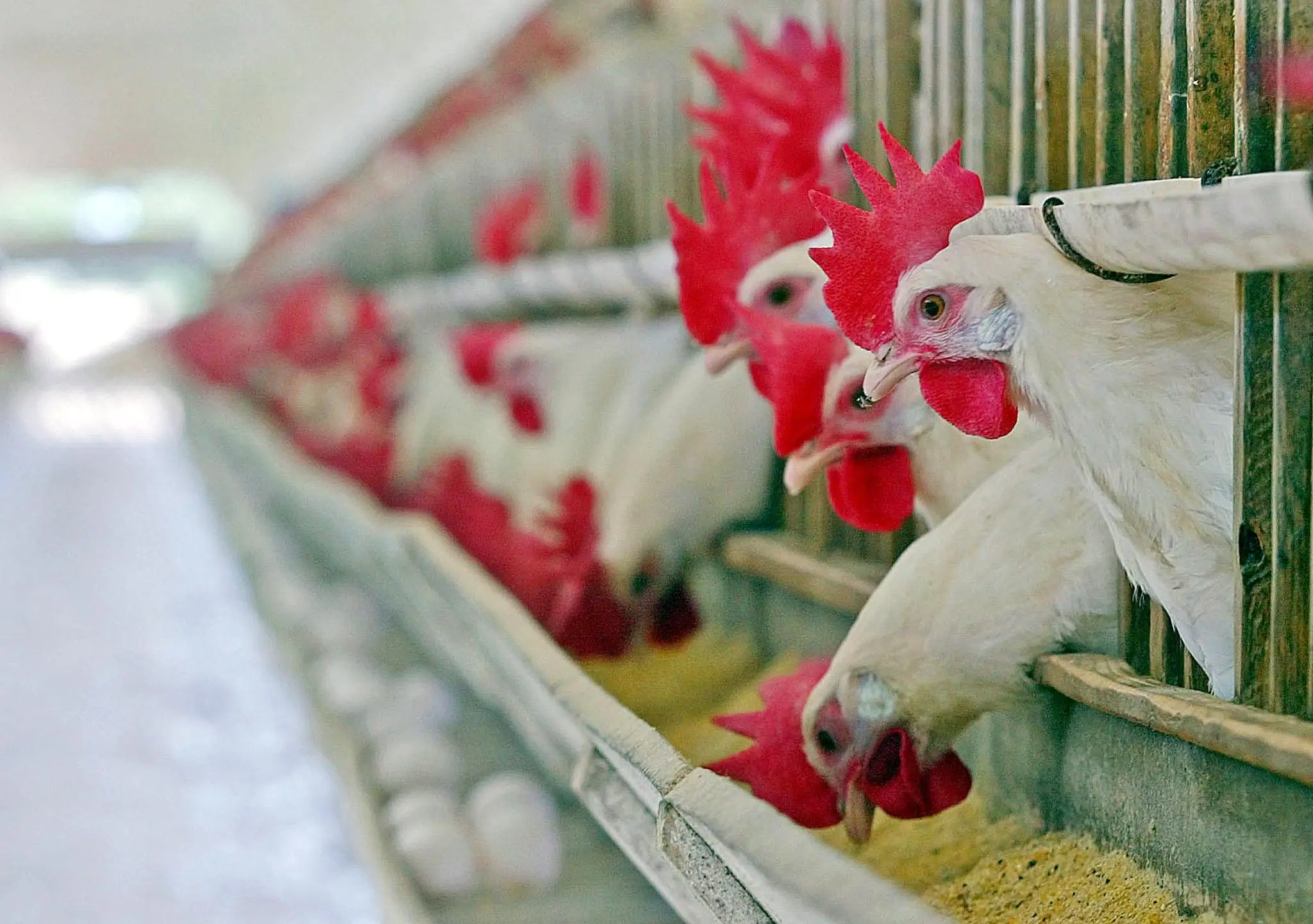
Several factors contribute to the projected decline in imports. The USDA cites market saturation and unsustainable growth rates as key reasons.
However, competitive pricing from both US and Brazilian suppliers is expected to keep import volumes relatively high.
Supply chain characteristics shape the import landscape. Brazilian imports face longer shipping times of 15-45 days. US shipments can arrive within 12 hours.
This time difference benefits US suppliers. They offer fresher products to the Mexican market.
Their shorter transit times reduce handling costs. These factors contribute to US market dominance.
Shifting Tides: U.S. and Brazil’s Dominance in Mexico’s Chicken Import Market
A temporary ban on Brazilian poultry imports, imposed by Mexico in December 2023 due to a Newcastle disease outbreak, was lifted in August 2024.
The USDA anticipates minimal impact on overall Brazilian poultry imports to Mexico in 2024. Mexico has risen to become the world’s fifth-largest chicken consumer, surpassing Russia.
In 2023, Mexico consumed 4,836,000 tons of chicken, trailing only the US, China, the European Union, and Brazil.
Domestic production is also on the rise. Mexico produced 3,888,000 tons of chicken meat in 2023, with USDA projections indicating growth to 4 million tons in 2024 and 4,085,000 tons in 2025.
More: Brazil news in English, every day from The Rio Times.
This article was produced by The Rio Times’ automated newsroom system. How we use AI · Report an error
Read More from The Rio Times