Sheinbaum Secures Supermajority in Mexico, Mirroring Bukele’s Power in El Salvador
Recently, Mexico’s electoral authority confirmed that Morena and its allies have secured a supermajority in the lower house.
This allows them to amend the constitution independently, marking a pivotal moment in Mexican politics.
However, they fell short of this majority in the Senate. Consequently, some cooperation with the opposition is necessary for constitutional changes.
El Salvador is another Latin American country where the ruling party holds a supermajority.
President Nayib Bukele’s party, Nuevas Ideas, secured a supermajority in the Legislative Assembly, winning 54 out of 60 seats.
This dominance allows the party significant legislative power, similar to the position Morena holds in Mexico’s lower house
Morena’s newfound strength in the lower house equips them to advance the “Fourth Transformation” agenda.
This series of reforms aims to reduce poverty and inequality through social programs like universal pensions and student grants.
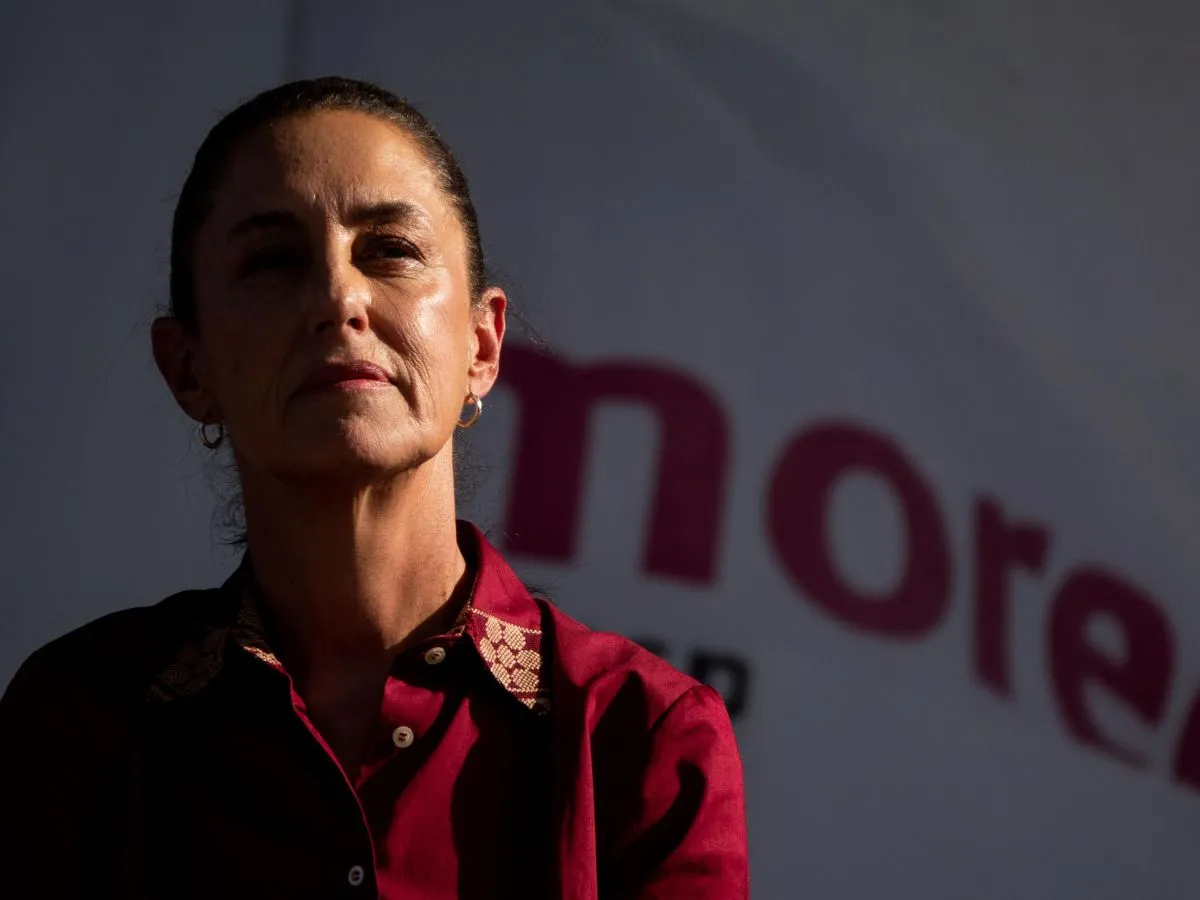
These initiatives build on the path set by outgoing President Andrés Manuel López Obrador. Claudia Sheinbaum, Mexico’s first female president-elect, is expected to continue these efforts.
Sheinbaum’s ascent to the presidency breaks new ground in a country with deeply rooted patriarchal values.
Sheinbaum Secures Supermajority in Mexico, Mirroring Bukele’s Power in El Salvador
Known for her methodical, data-driven governance style, she contrasts sharply with López Obrador’s more confrontational approach.
As the former mayor of Mexico City, she significantly reduced the murder rate, showcasing her potential to tackle national security issues effectively.
While Sheinbaum’s administration can drive many policies with the lower house’s backing, the lack of a Senate supermajority means her team must negotiate on some reforms.
Particularly contentious are the proposed changes to the judiciary and electoral systems. These discussions are crucial as they also reflect the stability and market reactions to the new government’s policies.
Looking ahead, Sheinbaum’s presidency is seen as an opportunity for Mexico to assert itself more robustly on the global stage.
Trade, migration, and climate action are areas where previous administrations appeared under-engaged, setting the stage for a potential shift in Mexico’s international relations.
The world now has the opportunity to observe a right-wing supermajority government in El Salvador and compare it directly with a left-wing supermajority government in Mexico.
Analyzing their drive and success will be crucial for other countries. This comparison will help determine which ideology is best suited for the challenges of the fourth industrial revolution, focusing not just on survival but on thriving.
More: Mexico news in English, every day from The Rio Times.
This article was produced by The Rio Times’ automated newsroom system. How we use AI · Report an error
Read More from The Rio Times