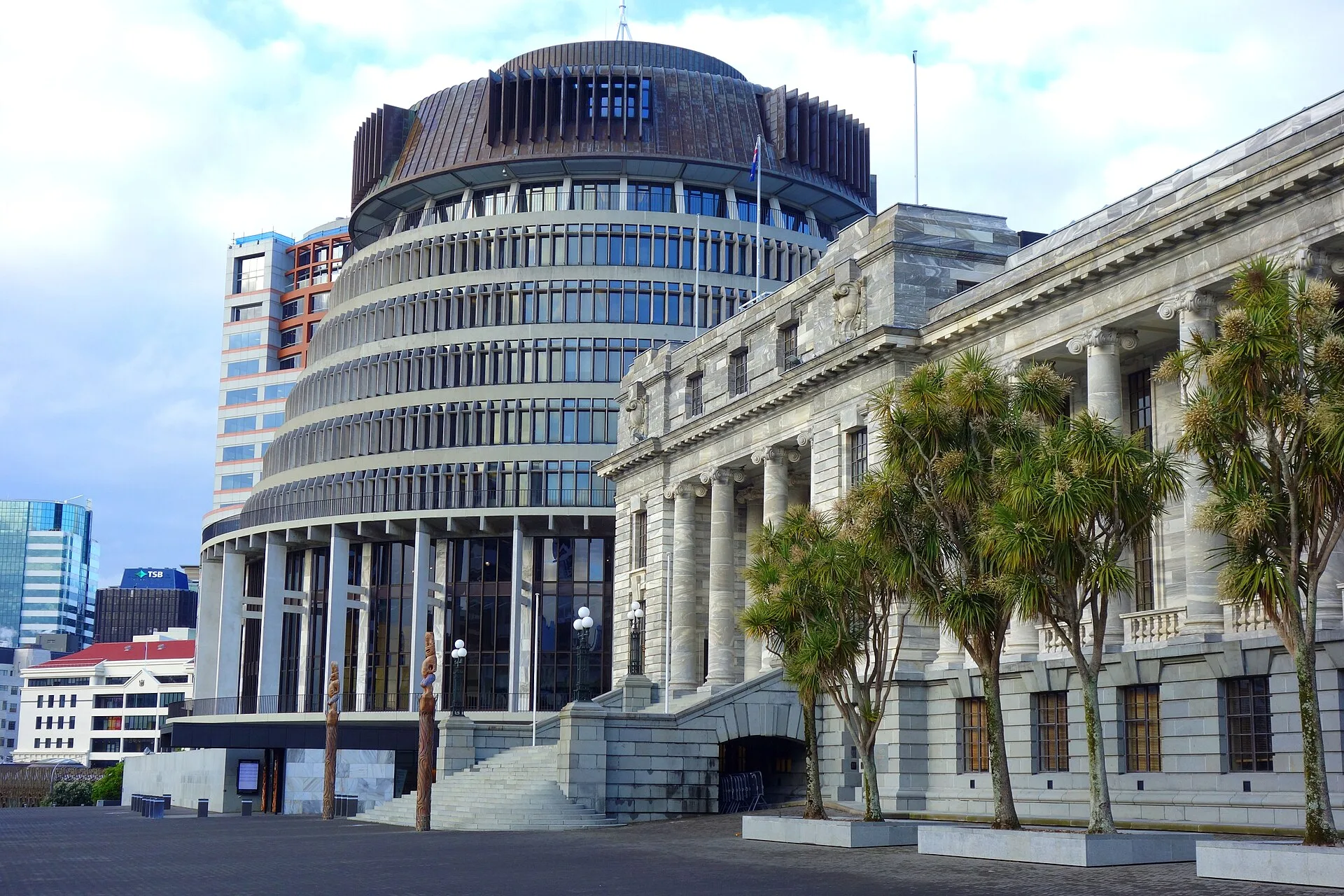
New Zealand is still waiting to learn who will govern, and one small party has now said how it wants the talks to work. David Seymour, leader of ACT (a small free-market party in the outgoing coalition), said on 16 November, New Zealand time, that he wants a single agreement binding all three government parties, as our New Zealand election coverage tracks.
Key Facts
- What. ACT leader David Seymour backs one joint coalition deal for National, ACT and New Zealand First.
- Seats. The three parties hold 67 of 131 seats on preliminary results; 66 are needed to govern.
- Still open. About 399,000 special votes, ballots cast away from home or overseas, are still being counted.
- Next date. The official result is due on Friday, 27 November 2026.
- Prediction markets. Polymarket prices a National, ACT and NZ First government at 87% (US$206,000 traded, 10:20 a.m. ET, 16 November 2026).
It would replace last term’s two separate deals, one for National with ACT and one for National with New Zealand First. Seymour said he had met Prime Minister Christopher Luxon, leader of the National Party, in person for “more chats about the chats”, and had spoken only to him so far.
Why One Deal Matters
Seymour has not yet spoken to Winston Peters, leader of New Zealand First, a populist party that is the third coalition partner. He said Peters should join when he is ready.
A single agreement would give the three parties clearer roles and a tighter shared programme. Staff from ACT and New Zealand First have already spoken.
Luxon Waits for the Final Count
Luxon says he has spoken to the leaders of ACT, New Zealand First and Opportunity, a new party. He will not open formal negotiations until the final count is in.
Graeme Edgeler, a constitutional law expert, says nothing stops politicians from starting talks now. He suggests waiting for the official count before announcing a government.
Luxon also says a National MP must hold the finance post, which Seymour has called “no longer tenable”. Luxon leads a caretaker government and is due to attend the APEC leaders’ meeting (Asia-Pacific Economic Cooperation, a regional forum) in Shenzhen, China, on 18 and 19 November.
Where the Numbers Stand
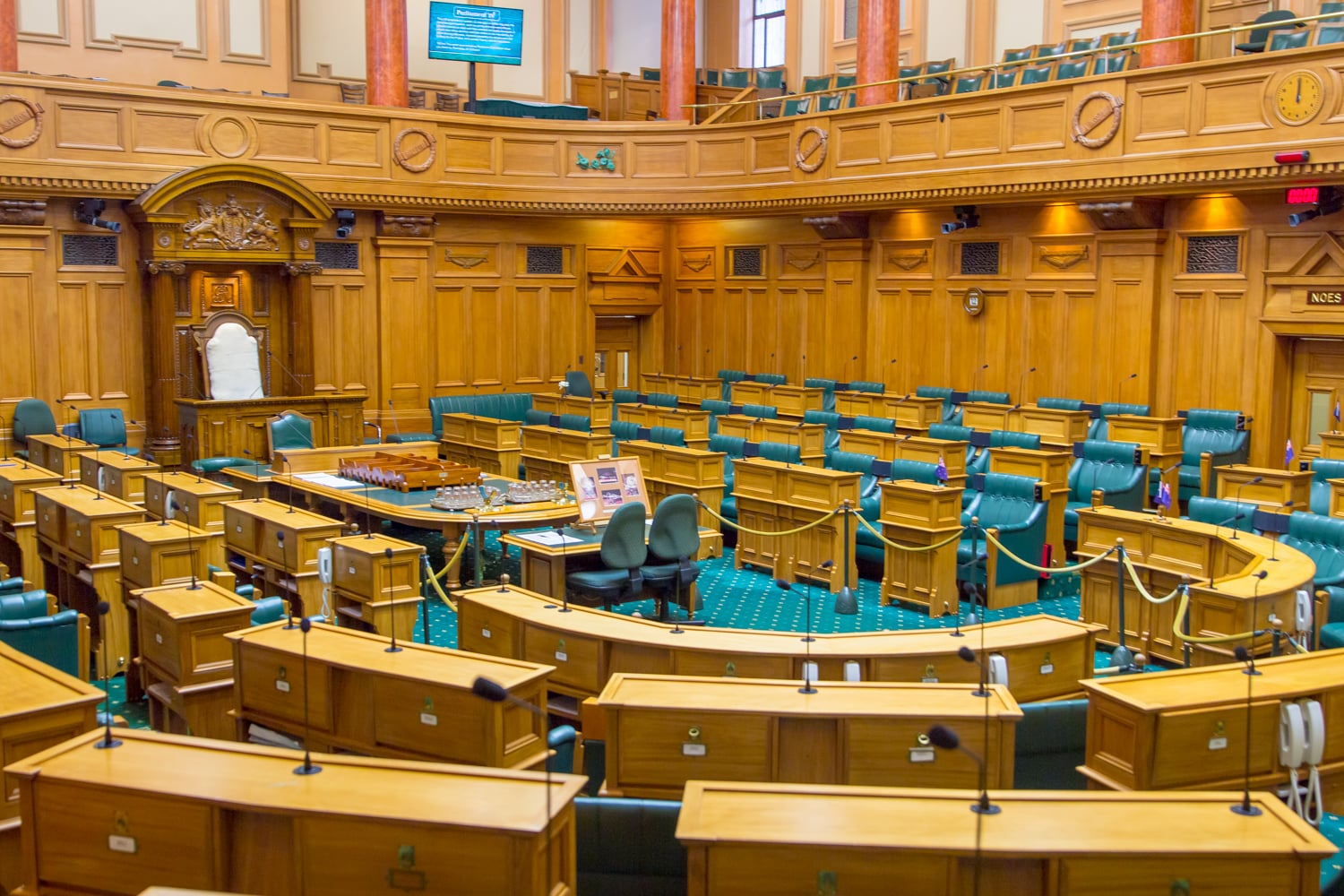
Preliminary results give National 42 seats, Labour 36, the Greens 16, ACT 13, New Zealand First 12, Opportunity 7 and Te Pāti Māori, a party advancing Māori rights, 5. Overhang seats, extra seats a party wins when it takes more local contests than its party vote entitles it to, bring parliament to 131 members.
National, ACT and New Zealand First hold 67 of 131 seats, one above the 66 needed. Labour, the Greens and Te Pāti Māori hold 57.
About 399,000 special votes, out of roughly 2.83 million votes, are not in that count. They usually lean left, so the margin could move.
Opportunity Holds a Possible Key
Qiulae Wong, leader of Opportunity, won about 6% of the party vote and enters parliament for the first time. She met Luxon for an hour on the evening of 9 November and Labour leader Chris Hipkins for an hour on 10 November, New Zealand time.
She says her party will talk to National first because it has the most seats, and turn to Labour if talks stall. Luxon had ruled out working with Opportunity before the election.
What Prediction Markets Say
On Polymarket, a crypto-based prediction market, a National, ACT and New Zealand First government trades at 87%, with about US$206,000 traded. Luxon as next prime minister trades at 81.5% (about US$367,000 traded), against 13% for Hipkins.
Prices read at 10:20 a.m. ET on 16 November 2026.
Why we show this: prediction markets turn real-money bets into a live probability that moves within minutes of the news, which is why investors, campaigns and newsrooms in the United States now follow them closely. We show them next to polls and official results, never instead of them.
What It Means for US Readers
New Zealand’s close result shows how a parliament elected by proportional representation can take weeks to produce a government. The next fixed marker is the official result on Friday, 27 November, with the formal election documents, called writs, due back on 3 December.
Until then, Seymour’s call for one deal is a negotiating position, not a settled arrangement.
What Is Not Known
It is not known whether special votes will remove the coalition’s majority, whether Luxon will work with Opportunity, or who will become finance minister. The time of day for the official result on 27 November is also unconfirmed.
Counts differ slightly between outlets, and some give the coalition 68 seats. We use 67 of 131.
We found no post-election poll from a named institute.
Frequently Asked Questions
What did David Seymour propose?
He backed one coalition agreement covering National, ACT and New Zealand First. It would replace last term’s two separate deals.
When will New Zealand’s official result be known?
The Electoral Commission is due to declare it on Friday, 27 November 2026. No time of day has been given.
Does the coalition have a majority?
On preliminary results it holds 67 of 131 seats, and 66 are needed. About 399,000 special votes are still to be counted, so the figure could change.
This article was produced by The Rio Times’ automated AI newsroom. Editorial responsibility: Matthias Camenzind, Publisher and Editor-in-Chief. The Rio Times also runs Ask Rio Times, which answers from 100,000+ of our own articles, the daily Latin America Power Map, and prediction-market odds on elections and markets.. How we use AI · Report an error
Read More from The Rio Times